Migrants seeking asylum travel through remote Arizona desert corridor
Автор: AP Archive
Загружено: 2023-09-05
Просмотров: 737
Описание:
(1 Sep 2023)
RESTRICTION SUMMARY:
ASSOCIATED PRESS
Organ Pipe Cactus National Monument, Arizona - 29 August 2023
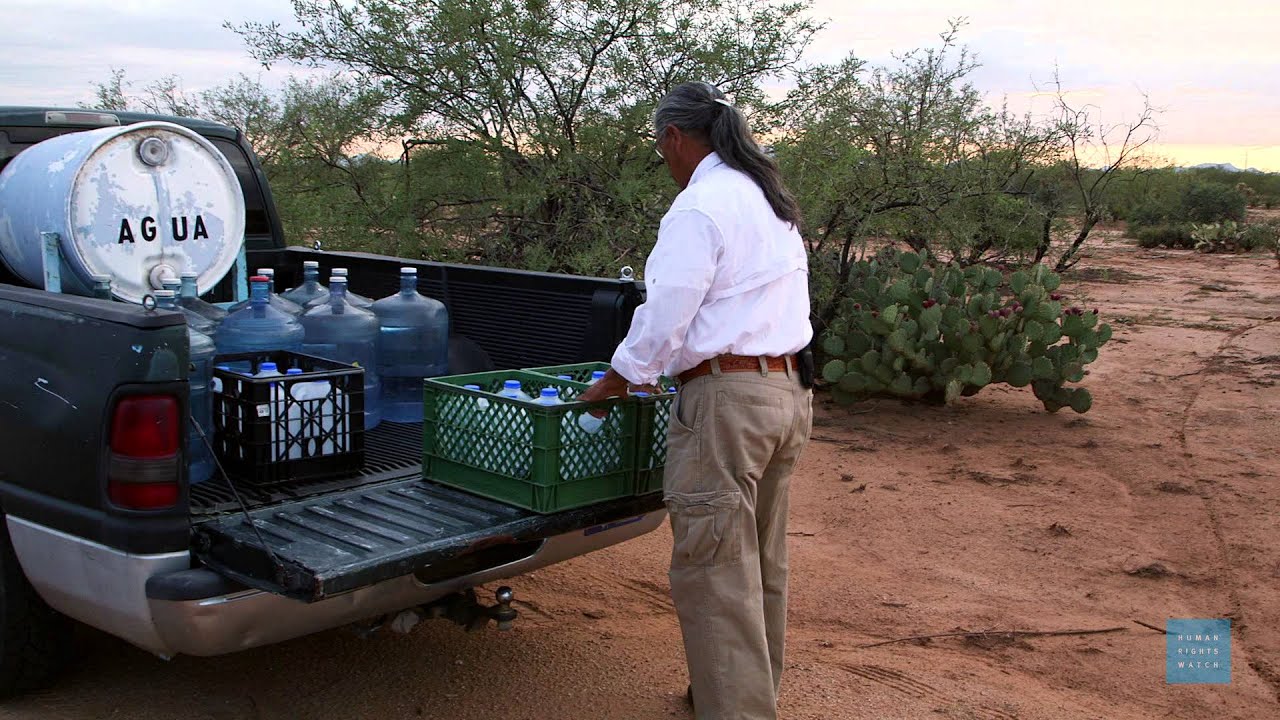
1. Various of migrants waiting in the shade of a border wall segment to declare asylum requests
2. SOUNDBITE (English) Deputy Chief Justin De La Torre, Tucson Sector Border Patrol:
"Right now in Tucson sector were experiencing a large volume of unlawful entries throughout the sector. But here in Ajo, it's the most impacted station out here in the region, and really for the state of Arizona and throughout the southwest border."
3. Migrants wait in the shade of a border wall segment to declare asylum requests
4. SOUNDBITE (English) Deputy Chief Justin De La Torre, Tucson Sector Border Patrol:
"You know, right now we're we're encountering people from all over the world. Some of the countries that we see most frequently are from folks from Ecuador. Senegal, Mauritania, Egypt."
5. A migrant walks through the desert
6. SOUNDBITE (English) Deputy Chief Justin De La Torre, Tucson Sector Border Patrol:
"The remoteness of this area presents significant challenges from a logistical and a humanitarian standpoint."
7. A migrant walks through the desert to the border wall
8. SOUNDBITE (English) Deputy Chief Justin De La Torre, Tucson Sector Border Patrol:
"For Tucson sector, we're rescuing thousands of people this year to date. Those rescues go up during the summer months because of the heat."
9. Migrants are given water by a humanitarian volunteer
10. SOUNDBITE (English) Deputy Chief Justin De La Torre, Tucson Sector Border Patrol:
"Unfortunately there are folks who don't make it. And just during this summer alone, we've already had dozens of migrants die out in the desert who have succumbed to heat exhaustion."
11. Migrants are given water by a humanitarian volunteer
12. A border patrol vehicle drives past the wall
STORYLINE:
U.S. Customs and Border Protection has been busy in this remote corridor south of the small town of Ajo, Arizona, among the most desolate and dangerous areas in the state's borderlands. Temperatures hit 118 degrees Fahrenheit (47.7 degrees Celsius) this summer just as smugglers abruptly began steering migrants from Africa and Asia here to surrender and request asylum.
The Border Patrol’s Tucson Sector in July suddenly became the busiest along the U.S-Mexico border for the first time since 2008. The area has seen migrants from faraway countries like Pakistan and China, as well as Mauritania, where social media is drawing young people to a new route that goes through Nicaragua. There are also large numbers of people from Ecuador.
“Right now we are encountering people from all over the world,” said Border Patrol Deputy Chief Justin De La Torre, of the Tucson Sector. “The remoteness of this area presents significant challenges from a logistical and humanitarian standpoint.”
De La Torre said the sector is calling on other agencies including Immigration and Customs Enforcement and the Transportation Security Administration for support as they get migrants out of the elements and into processing centers.
The agency has pushed back against complaints from some migrant advocates who recently protested outside the Border Patrol's small Ajo Station, saying migrants kept in an outdoor enclosure didn't have enough shade. Border Patrol officials say new arrivals stay in Ajo less than 15 hours before being sent to bigger facilities for processing.
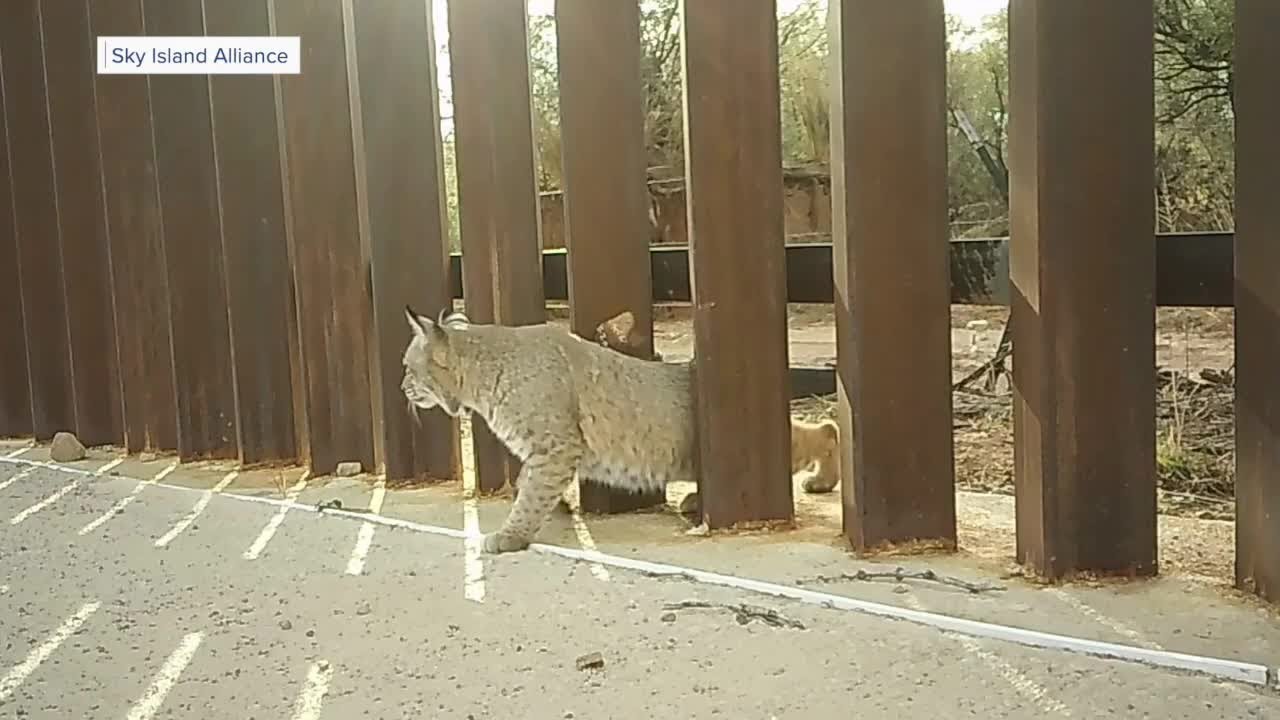
But even when the gates are closed, migrants get in, sometimes breaking locked gates or hiking through gaps in the wall, De La Torre said.
AP VIDEO by Matt York and Anita Snow
Find out more about AP Archive: http://www.aparchive.com/HowWeWork
Twitter: / ap_archive
Facebook: / aparchives
Instagram: / apnews
You can license this story through AP Archive: http://www.aparchive.com/metadata/you...
Повторяем попытку...

Доступные форматы для скачивания:
Скачать видео
-
Информация по загрузке: