CFAS General Meeting Nov. 2024 - with Geoff Chester of the US Naval Observatory
Автор: CFAS_ Astronomy
Загружено: 2024-11-14
Просмотров: 113
Описание:
Join the Central Florida Astronomical Society at https://cfas.org
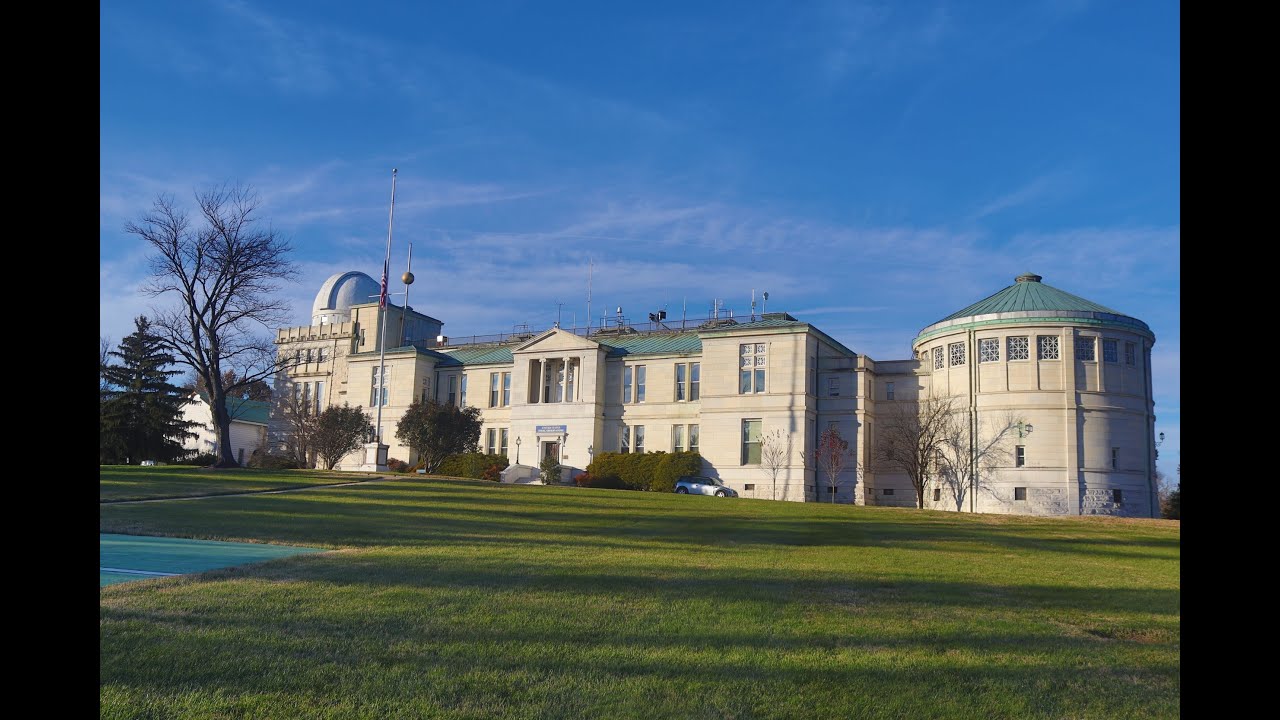
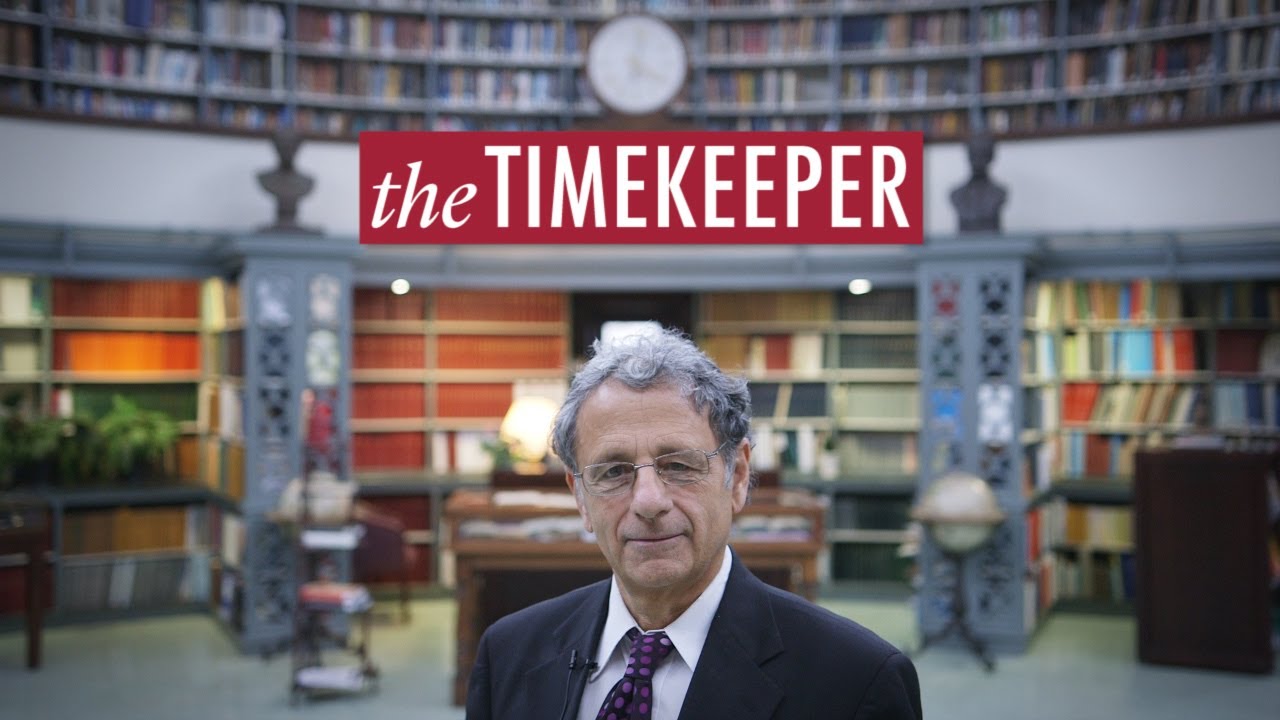
Our guest this month is GEOFF CHESTER from the U.S. Naval Observatory (USNO,) who will present on the activities and history of one of our country's most revered scientific agencies - and one that has had an impact on all of us as astronomers.
Following Mr. Chester, JOHN PINTO will offer a book review of a potential stocking stuffer: "Simply Stargazing: Your Guide to the Stars, Moon, and Night Sky" by Jonathan Popelle.
And we'll have the usual club news (including the latest on next month's holiday party) and astrophotography showcase!
Timestamps:
00:02:41 - Club News:
00:10:43 - Geoff Chester on the history of the USNO
01:40:41 - John Pinto reviews "Simply Stargazing" by Jonathan Poppele
01:54:04 - Astrophotography showcase
Some more info about the USNO and Mr. Chester:
The U.S. Naval Observatory (USNO) performs an essential scientific role for the United States, the Navy, and the Department of Defense. Its mission includes determining the positions and motions of the Earth, Sun, Moon, planets, stars, and other celestial objects; providing astronomical data; determining precise time; measuring the Earth's rotation; and maintaining the Master Clock for the United States.
USNO is one of the oldest scientific agencies in the country. It was established in 1830 as the Depot of Charts and Instruments. Its primary mission was to care for the U.S. Navy's chronometers, charts and other navigational equipment.
In 1844, as its mission evolved and expanded, the Depot was reestablished as the U.S. Naval Observatory and was located on a hill north of where the Lincoln Memorial now stands in Washington's Foggy Bottom district. For nearly 50 years significant scientific studies were carried out, such as speed of light measurements, the phenomena of solar eclipses, and transit of Venus expeditions. Publication of its annual American Ephemeris and Nautical Almanac started in 1852 and continues to the present day. In 1877, using the recently-completed 26-inch Alvan Clark “Great Equatorial” refractor, astronomer Asaph Hall discovered Phobos and Deimos, the two satellites of Mars.
After years of suffering the increasingly deteriorating environment in Foggy Bottom the Observatory moved to its present location in upper Georgetown in 1893. Over the course of the next century USNO astronomers developed the instruments and techniques that made it what it is today: the world’s foremost authority in the fields of astrometry and precise time determination and distribution.
USNO is headquartered in Washington, D.C., and operates a dark-sky observing station near Flagstaff, Arizona (NOFS). It also has a small detachment activity, the Alternate Master Clock facility (AMC), located at Schriever Space Force Base in Colorado Springs.
Geoff Chester has recently retired from his position as Public Affairs Officer and Historian after over 27 years at USNO. By a curious quirk of history, he is the great-grandson of the Observatory’s 15th Superintendent, Rear Admiral Colby Chester. Prior to coming to USNO he spent 19 years working in various capacities for the Einstein Planetarium at the Smithsonian’s National Air & Space Museum. He is a past president of the National Capital Astronomers, and is an active member of the Northern Virginia Astronomy Club, the Association of Lunar and Planetary Observers, DarkSky International, and the Alliance of Historic Observatories.
Повторяем попытку...
Доступные форматы для скачивания:
Скачать видео
-
Информация по загрузке:





![Massive Attack • Portishead • Thievery Corporation- Special Coffeeshop Selection [Seven Beats Music]](https://imager.clipsaver.ru/YPJD1hF2kIY/max.jpg)


