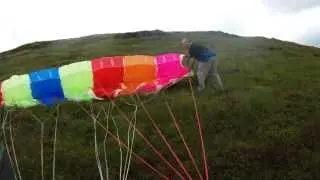
Old Paragliding Compilation
Автор: Steve Venus
Загружено: 2015-01-13
Просмотров: 23148
Описание:
History of Paragliding
Paragliders have developed from two sources.
Move forward was to give them a corrugated round of evolution was a parachute. This eventually turned into a ram-air parachute.
The same time in 1960, David Barish, a NASA spacecraft testing and recovery system that led to the wing sail (pictured left) assisted in developing. The project was not continued.
Early in a water-skiing,
approximately 1975. ram-air parachute harness webbing, and the day for a flat note similarities.
This glider glide ratio was 3-1 down and up. So went forward for every 3 meters, 1 meter, they descend. low shear rate and lack of protection harness, squeezed injuries.
Distinctict elliptical wing shape in the 1980s began to look modern.
Glide ratios between 03:01 and 04:01 as a modern wing wing wing is a very effective way to support up to a full length of each line has returned to normal.
Glide ratios between 8 and 9.5 to 1 is common with modern paragliding.
Today, that filling the wing paragliding harness the evolution into the future of the hard landings.A glimpe remember. deathblade, aptly named super-high-performance experimental paragliding wing.
Other initiatives to increase the stiffness of the wing are carbon rods in a cloth.1970’s - It all started with parachute pilots playing around thinking of new ways to get airborne, without the expense of taking a plane up. One story is told of a pilot landing in a paddock in the French Alps. The paddock was full of bulls, so the pilot kept running towards the cliffs at the edge of the field. As he approached the edge his parachute inflated and he was able to escape the bulls, laughing as he flew away. Back in the parachute factory they started making adjustments to the materials the parachutes were manufactured from, and shaping the canopies differently. This in turn increased the glide and overall performance of the parachute, making it easier to launch them from the hills.
1986 - The first paragliders started to fly around Queenstown, introducing the sport to New Zealand. Shortly after the Queenstown Paragliding Club was formed and all the local flying sites were established. With the Skyline cable car above town the sport quickly took of with “keen locals” wanting to get in the air with very little expense and with lots of freedom!
1989- The sport was taking off in Europe. The paragliding manufacturers had been making significant progress in both the design and safety of the gliders. Several companies started making equipment and pilots started pushing the limits with distance flights and acrobatics. Some of these paragliding pilots became professionals, with the resulting media coverage increasing paraglidings exposure to the public.
1990 - The manufacturers designed a paraglider that could take two people, mainly with the purpose of teaching. The first tandem was born ! An experienced pilot could take a person who had not flown before, and show them how to fly the paraglider in a safe environment. Many of the early Queenstown pilots just grabbed the gliders from friends and went up and flew down with very basic instructions all by themselves!
One particular day we were up flying and a tourist approached one of the lads who had a Tandem Paraglider and asked to fly down. He was not interested in lessons, he just wanted a “thrill” and offered to pay for the flight! That night the phones were ringing hot with pilots ordering the equipment required for Tandem Paragliding.
2009 - We still have four of the original pilots flying for us, who togther have over eighty years of paragliding experience!
2012 - Gforce receives Civil Avaition Authority Adventure Aviation Certification (Part 115).
Paragliding
Paragliding
Paragliding
JOIN QUIZGROUP PARTNER PROGRAM: http://join.quizgroup.com/?ref=53321
Повторяем попытку...
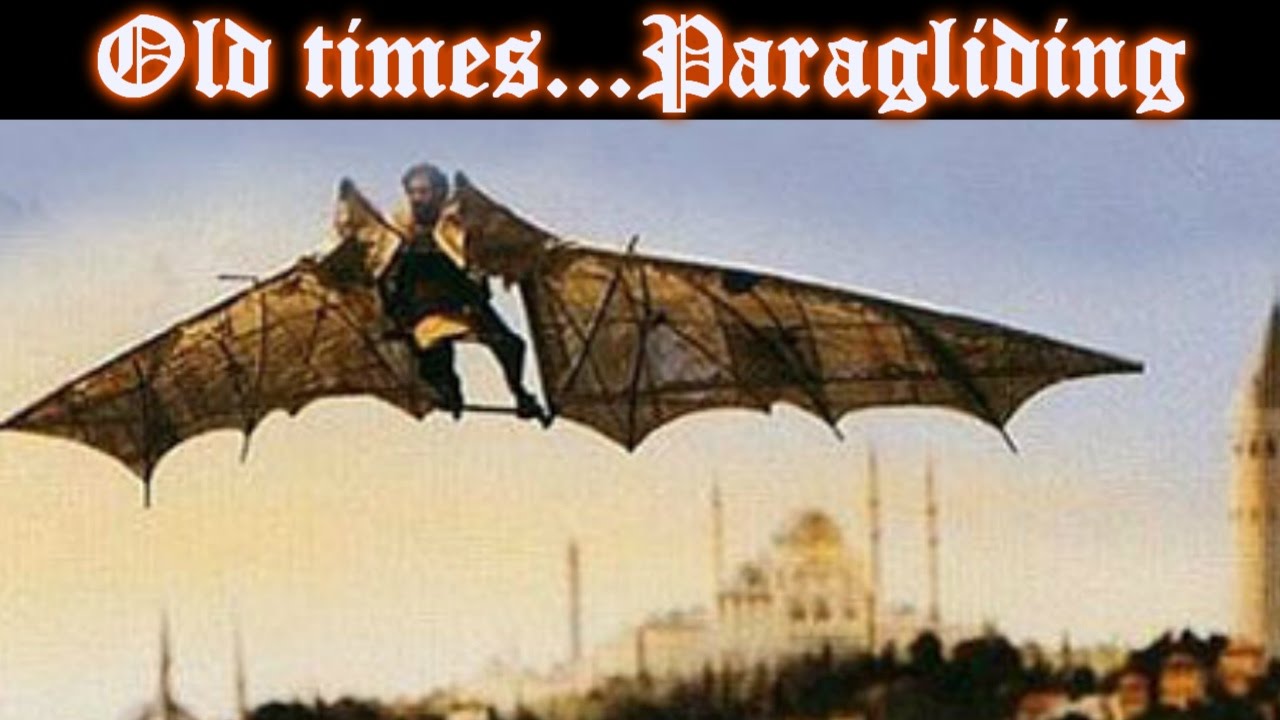
Доступные форматы для скачивания:
Скачать видео
-
Информация по загрузке: