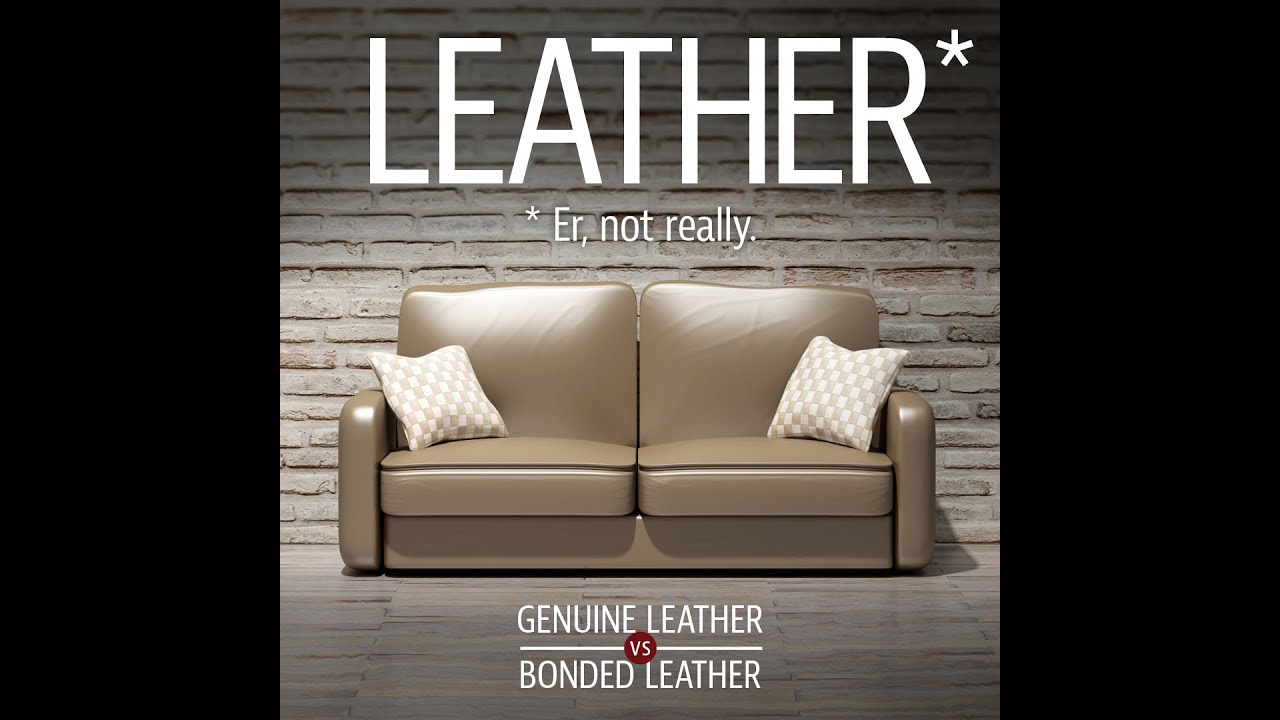
What is Bonded Leather?
Автор: Fibrenew
Загружено: 2020-08-10
Просмотров: 2086
Описание:
Like many people, you may not have had reason to stop and ask exactly what that means, or how it differs from other types of leather. The term alone causes a great deal of confusion among consumers. We’re here to explain the key distinctions and help you make the most informed decision before you invest your hard-earned money.
For many of us, purchasing leather furniture is about durability, quality, and even gaining a bit of luxury. After all, the smell and feel of real leather has a bit more sophistication than your old polyester-covered futon from dorm days. However, not all leather is equal–in fact, there’s a huge difference in the grades of leather available for furniture. At a glance, the comparatively lower price tag on a bonded leather lounger may make a pretty compelling case for buying it. The manufacturer will even boast a variety of benefits: “The feel of real leather, but so much easier to clean!” or “The look of leather, at a fraction of the cost!”. Well, if you think that all sounds a little too good to be true, you’d be right.
What is Bonded Leather? (The ‘Bologna of Leather’)
Other than its hard-to-beat pricepoint, a key reason why bonded leather enjoys commercial success is the fact that it does contain some real leather. It may even smell like real leather. The fact is, it’s actually composed of small amounts of shredded, leftover leather–sometimes as little as 15%. These discarded scraps get combined with other fibers, and glued together with polyurethane binding agents, onto a backing piece of cloth, or even paper. The less common, not so marketing-savvy term for this product is ‘reconstituted leather’. Sure, this material can make for a fashionable, affordable belt, there are plenty of reasons why you don’t want it on the new sectional you’ve been sizing up.
Why Does Bonded Leather Fall Apart? (Usage & Heat)
Bonded Leather PeelingWe hear from customers every day, who are understandably frustrated that their bonded leather furniture is falling apart. It peels. It rips. It cracks. Suddenly, your investment intended to last years is an unsightly mess in mere months. Unfortunately, once the coating on bonded leather is gone, it’s left unrepairable. Heat causes layers of the material in Bonded Leather to separate and that’s when it begins to peel and fall apart – usually within 12 – 36 months.
Your upfront cost savings are a tradeoff. While you’re saving money at purchase, you’re sacrificing the durability and flexibility of real leather. Once the bonded leather fibers have stretched as far as they can go, that’s the end. Instead of footing the bill for fully re-upholstering, we recommend investing in real leather, even if it costs a bit more at the beginning. You’ll be rewarded with much longer-lasting and repairable furniture. Plus, as anyone who owns high quality, real leather furniture will tell you, it even gets better with age.
The Real Leather Difference
Genuine Leather Hides When you select real leather furniture, it’s constructed using whole animal hides. Being a natural, animal product, you can expect to see variations in the grain, and pores that aren’t completely evenly distributed (synthetic leather is usually stamped with a pattern that’s exact). Real leather tends to have the occasional small scar or wrinkle. To an inexperienced buyer, these markings may be perceived as flaws, but in fact indicate that the leather has never been sanded down. As a result, the hide retains all of its original strength and will resist puncturing or tearing better than any other grade of leather.
Selecting Leather Grain
There are two main options you’ll encounter when buying real leather: top grain leather, and full-grain leather. Full-grain is widely considered the best that money can buy. It’s the strongest leather. It wears well and even develops a nice patina (sheen) over time. The grain in this type of leather is very tight, which gives it a property of being moisture and mildew resistant. Top-grain has a great look and feel but comes in second to full-grain in terms of strength and durableness. During processing, the top layer of the hide is removed by buffing and sanding. This creates a more uniform appearance, removing the unique markings we mentioned earlier. While still a quality, repairable product, it’s durability won’t match that of full-grain leather. It will break down faster.
We hope you found this guide informative. Do you have concerns about selecting or repairing your leather furniture that we didn’t cover? One of our specialists will be happy to help you! Contact your nearest Fibrenew location today. Visit: https://www.fibrenew.com/find-a-location
Повторяем попытку...
Доступные форматы для скачивания:
Скачать видео
-
Информация по загрузке: