Webinar | Locus-Specific Patient Databases for Rare Disease: A Computational Approach
Автор: Genomenon
Загружено: 2021-11-18
Просмотров: 288
Описание:
Patient Landscapes as Natural History Studies with Inozyme Pharma -
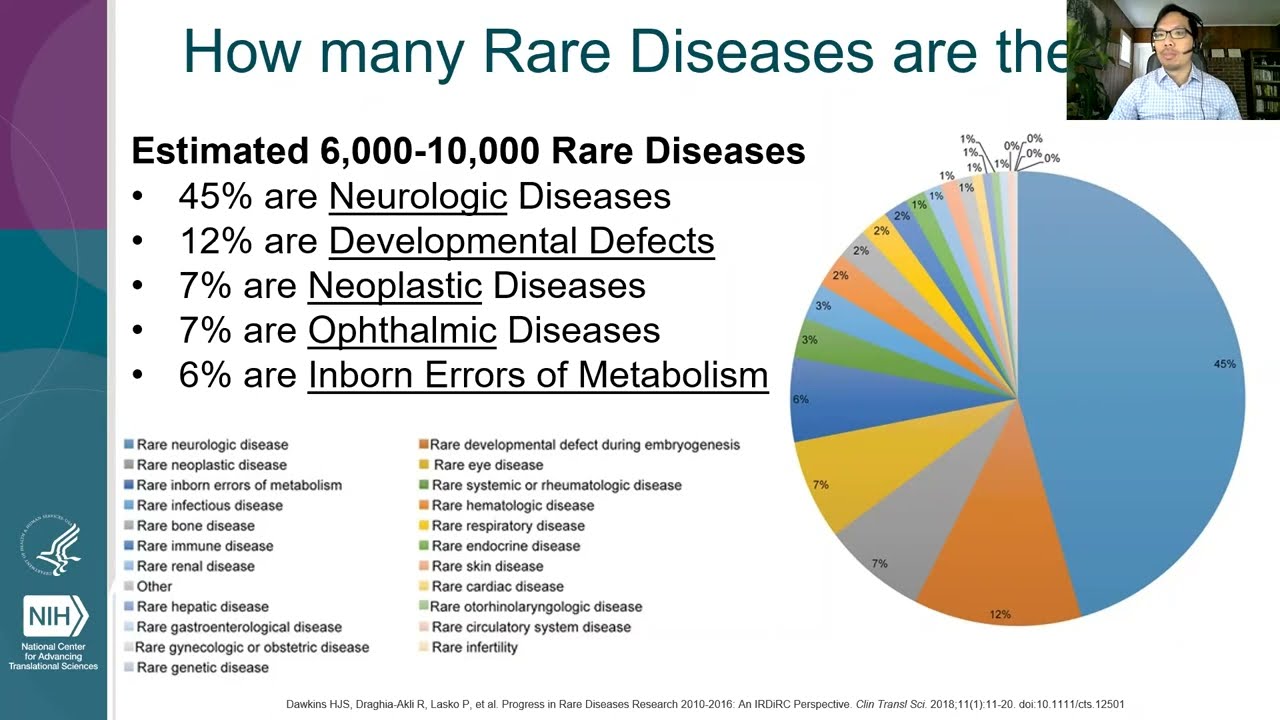
The majority of rare diseases have an underlying genetic cause (Wright et al., 2018). Accurate and timely diagnoses are necessary to provide appropriate guidance and treatment, but are complicated by clinical heterogeneity and information scarcity that slow the progress of retrospective natural history research. Though highly beneficial, many rare genetic disorders lack a dedicated database of known variants and associated clinical data.
In this webinar, Genomenon co-founder and chief science officer Dr. Mark Kiel is joined by Dr. Gus Khursigara, VP of Medical Affairs and Clinical Strategy at Inozyme Pharma to discuss how a computational approach to curation of medical evidence has emerged as an efficient and economical method to systematically identify and analyze all reported cases of a rare disease and interpret all associated genetic variants. The resulting locus-specific variant databases and disease-specific patient databases act as retrospective natural history studies and clarify the clinical relevance of individual variants.
In particular, our speakers explored how a comprehensive, locus-specific patient database (or Patient Landscape) for ENPP1 deficiency is providing Inozyme with an important tool to better understand and target this condition.
You will learn how:
Clinical heterogeneity and information scarcity complicate the study of rare disease
AI and machine learning-assisted technology is streamlining medical evidence curation for rare disease
Comprehensive locus-specific patient databases can guide rare disease diagnosis and treatment
Learn more at genomenon.com
Повторяем попытку...
Доступные форматы для скачивания:
Скачать видео
-
Информация по загрузке: