Waterbury, CT | OnRoute
Автор: OnRoute Travel Media
Загружено: 2026-10-07
Просмотров: 12
Описание:
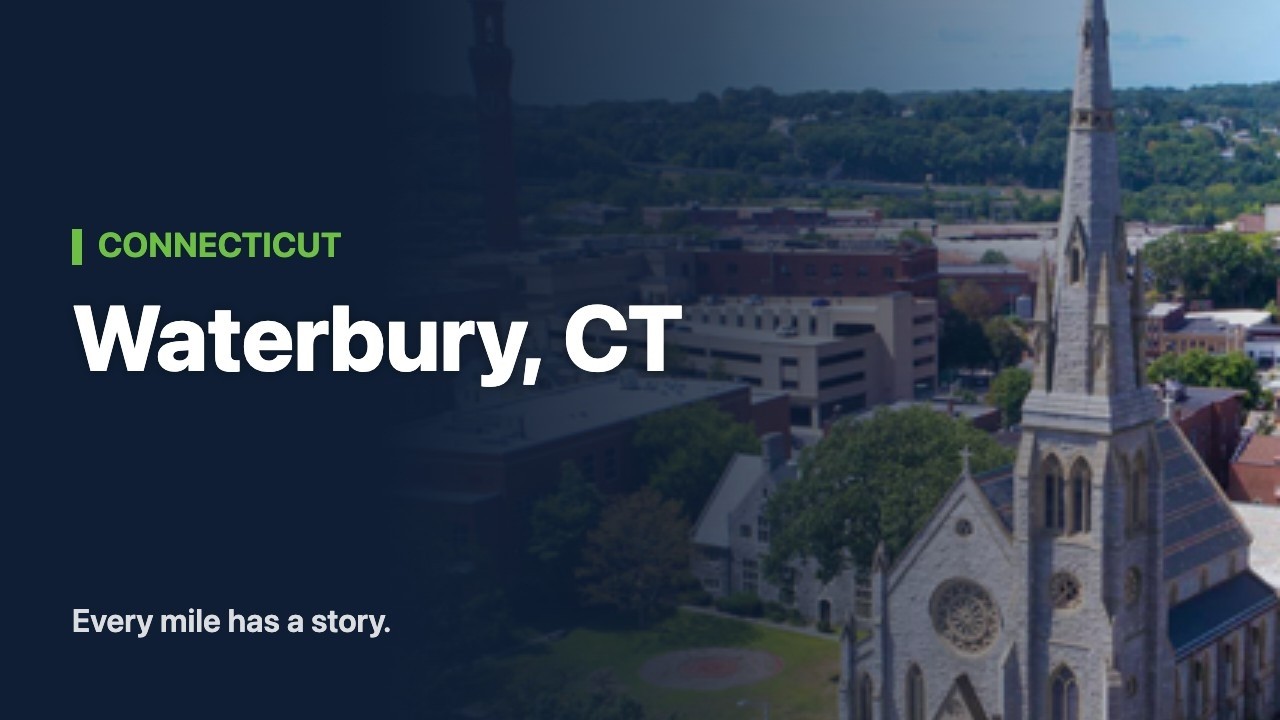
Waterbury, CT
The story behind Waterbury, CT, narrated for your drive or trip planning.
Listen on OnRoute: https://onrouteco.com/route/waterbury...
OnRoute, Waterbury, Connecticut As you navigate I-84 through the Naugaduck River Valley in central Connecticut, or follow Route 8 north from the coast, you're approaching Waterbury, the vibrasse city that once produced more brass products than anywhere else on Earth. This is where immigrants from dozens of nations forged America's industrial might, where clock towers and factory buildings tell the story of manufacturing glory, where Connecticut's working-class heart beats strongest, and where decades of decline have left a city of 114,000 struggling to reinvent itself for the 21st century.
Waterbury isn't picturesque Connecticut with white churches and village greens. It's gritty, authentic, and unpolished. But understanding Waterbury is essential to understanding the state's industrial soul and the challenges facing Rust Belt cities across America. Waterbury's story begins in 1674 when settlers from Farmington purchased land along the Naugaduck River and established the community of Matituck. The settlement remained small and agricultural for over a century, but everything changed when brothers Abel, Levi, and Silas Porter established a brass mill in 1802.
The Naugaduck River provided water power, nearby forests supplied charcoal for fuel, and entrepreneurs recognized opportunity. By the 1830s, Waterbury was producing brass buttons, and the brass industry exploded. Companies like Scoville Manufacturing, Chase Brass and Copper and American Brass produced everything from buttons and pins to shell casings and plumbing fixtures. By 1900, Waterbury manufactured 90% of America's brass products, earning its enduring nickname. The late 19th and early 20th centuries marked Waterbury's golden age.
Immigrants flooded the city—Irish, Italians, Poles, Lithuanians, Greeks, Lebanese, Jews from Eastern Europe—drawn by factory jobs paying steady wages. By 1920, over 100,000 people lived in Waterbury, and the city's population was overwhelmingly foreign-born or first-generation American. These immigrant communities built churches, social clubs, and neighborhoods that defined Waterbury's character. The city's working class, ethnic identity was forged in the brass mills where men worked brutal hours in dangerous conditions but earned enough to buy homes and raise families.
Waterbury became Connecticut's fifth-largest city and a symbol of industrial America. The factories also produced architectural landmarks. The Waterbury Clock Company Tower, rising 240 feet above downtown, became the city's signature structure. Union Station, completed in 1909 with its distinctive clock tower, served passengers on multiple rail lines converging in Waterbury. And grand buildings downtown—banks, theaters, department stores—reflected the prosperity brass generated. Waterbury looked and felt like a city on the rise, confident in its industrial dominance and economic future.
But the post-World War II decades brought devastating decline. Brass manufacturing moved south and overseas seeking cheaper labor. Factories closed or dramatically reduced employment. The prosperity that defined Waterbury evaporated. Middle-class families fled to suburbs, eroding the tax base. Urban renewal projects demolished historic buildings and entire neighborhoods without creating successful replacements. The construction of I-84 through downtown in the 1960s physically divided the city and destroyed communities. By the 1980s and 1990s, Waterbury exemplified rust belt collapse, abandoned factories, high unemployment, poverty, crime, corruption, and a reputation that scared away investment.
Political corruption compounded economic decline. The city endured multiple corruption scandals, most infamously when Mayor Philip Giordano was convicted in 2003 of sexually abusing minors and sentenced to 37 years in federal prison. The scandal humiliated Waterbury and reinforced negative perceptions. Recovery from both economic collapse and political dysfunction has been slow, though recent leadership has worked to restore integrity and attract investment. Today, Waterbury is home to approximately 114,000 residents, making it Connecticut's fifth-largest city.
The population is diverse, approximately 41% Hispanic or Latino, 33% White, 20% Black or African American, and 2% Asian. The demographic shift reflects new immigration waves—Puerto Ricans, Dominicans, Ecuadorians, and other Latin American communities have replaced earlier European immigrants, maintaining Waterbury's character as an immigrant city. The median household income sits around $46,000, well below state and national averages. Over 20% of residents live in poverty. The median age is 36.
These statistics paint a picture of a working-class city facing significant economic challenges. Waterbury's economy has struggled to replace lost manufacturing. St...
Повторяем попытку...
Доступные форматы для скачивания:
Скачать видео
-
Информация по загрузке: