Extinct Animals We Shouldn't Bring Back To Life
Автор: Undiscovered Worlds
Загружено: 2021-01-01
Просмотров: 885
Описание:
Before human beings walked the planet earth, there were prehistoric creatures that reigned and sowed terror in the world. Animals like dinosaurs, creatures that come out of your nightmares, and that we have only seen in historical documentaries and fiction. These animals are now extinct, but research is currently being done to bring them back to life. This process consists of inserting the DNA of the extinct animal in an embryo of a relative of this animal, whose DNA is similar enough to carry the baby of the extinct species. Although it is a great scientific advance, we should not bring any extinct creature back to our world for multiple reasons: the extinction of predators can benefit other species and make them stronger. Also, it gives these species the ability to expand and can be of great benefit to an entire ecosystem. So, don't get excited because scientists are trying to revive the dinosaurs, better prepare to tremble in fear when you meet the Extinct Animals We Shouldn't Bring to Life.
Follow me on YouTube at Undiscovered Worlds: / undiscoveredworlds
www.undiscoveredworlds.co
Spotify: https://open.spotify.com/show/6eq6KUh...
Amazon Music: https://music.amazon.com/podcasts/f08...
Goggle Podcast: https://www.google.com/podcasts?feed=...
Subscribe to Anchor FM: https://anchor.fm/undiscovered-worlds...
Breaker: https://www.breaker.audio/undiscovere...
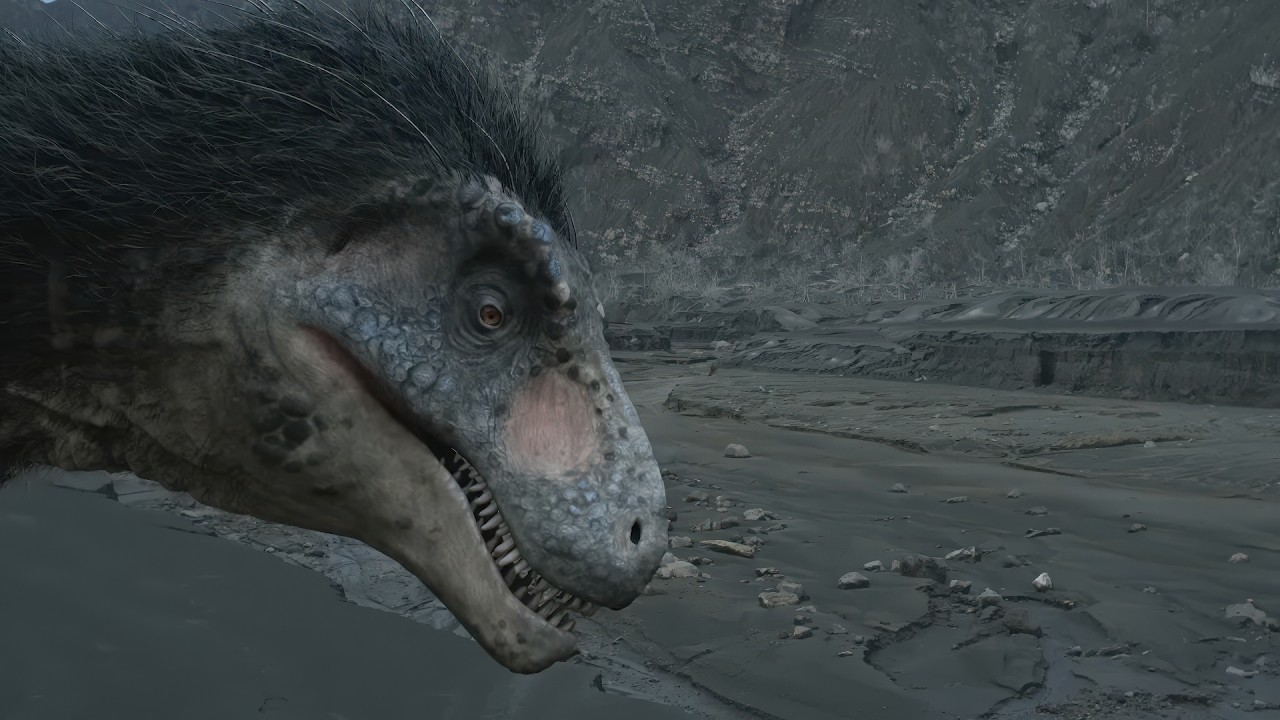
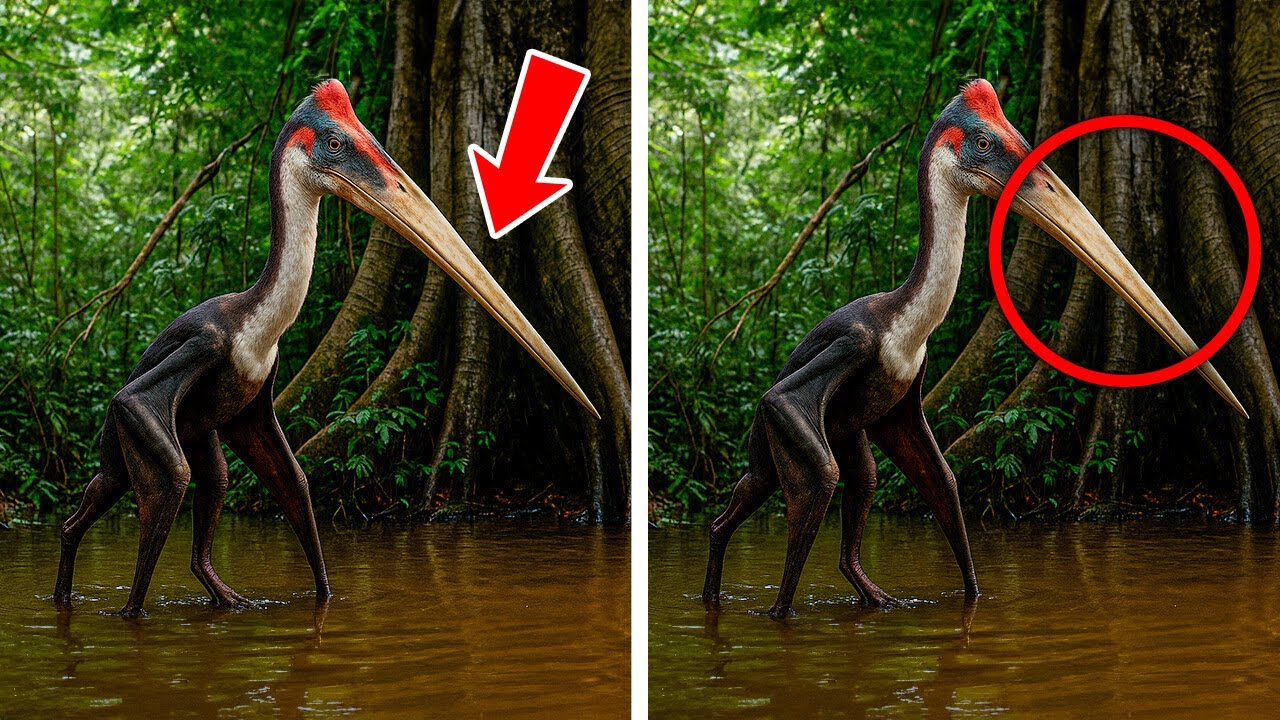
Titanis
It was carnivorous. Of course, having a Titanis as a pet today would not be a good idea, indeed, I do not know if we would be alive.
Megatherium
The Megatherium was the last Ice Age mammal to disappear and the culprits for its extinction were the first humans. It is said that they have become extinct because of us, but it is also a relief that we no longer live with these terrifying creatures.
Spinosaurus
The Spinosaurus is officially the largest carnivorous dinosaur in history, weighing about three African elephants together, and taller than the Hollywood sign. The Spinosaurus lived in the Cretaceous period, in the area that today would be North Africa..
Deinosuchus
Crocodiles may be the living animals that have the most similarity to dinosaurs, and with good reason, in the Cretaceous period there was a powerful ancestor to the crocodile, its name was Deinosuchus.
Entelodon
The Entelodon is the scariest little pig you can imagine, thank goodness you can no longer find it in nature.
Allosaurus
The Allosaurus was taller than a telephone pole, slightly heavier than an adult black rhinoceros, and preyed on large prey such as stegosaurids and sauropods, two classes of herbivorous dinosaurs that could not fight the mighty Allosaurus.
Acrocanthosaurus
In the Cretaceous period there was the Acrocanthosaurus, this large bipedal predator weighed about two hippos together and was twice the size of a giraffe.
Gigantopithecus
The cause of the extinction of this great ape is still unknown, but it has been determined that the existence of Gigantopithecus may be related to the famous sightings of creatures such as Bigfoot and the Yeti.
Short Face Bears
The Arctodus was a very large and terrifying species of bear that lived in North America in the Pleistocene era, being the largest carnivore that lived during the Ice Age.
Irish Moose
Although this creature was known as the Irish Moose, it was not quite that moose-like nor was it Irish. The Irish Moose actually had more similarities to a current deer than to a moose and did not have its home only in Ireland, since this species inhabited many regions of Europe...
Saber-toothed tiger
The Sabretooth Tiger, along with the woolly mammoth, are perhaps the most famous animals of the Pleistocene period, but this saber-toothed tiger was not the only member of its breed, despite being the most famous. In several investigations, paleontologists have discovered...
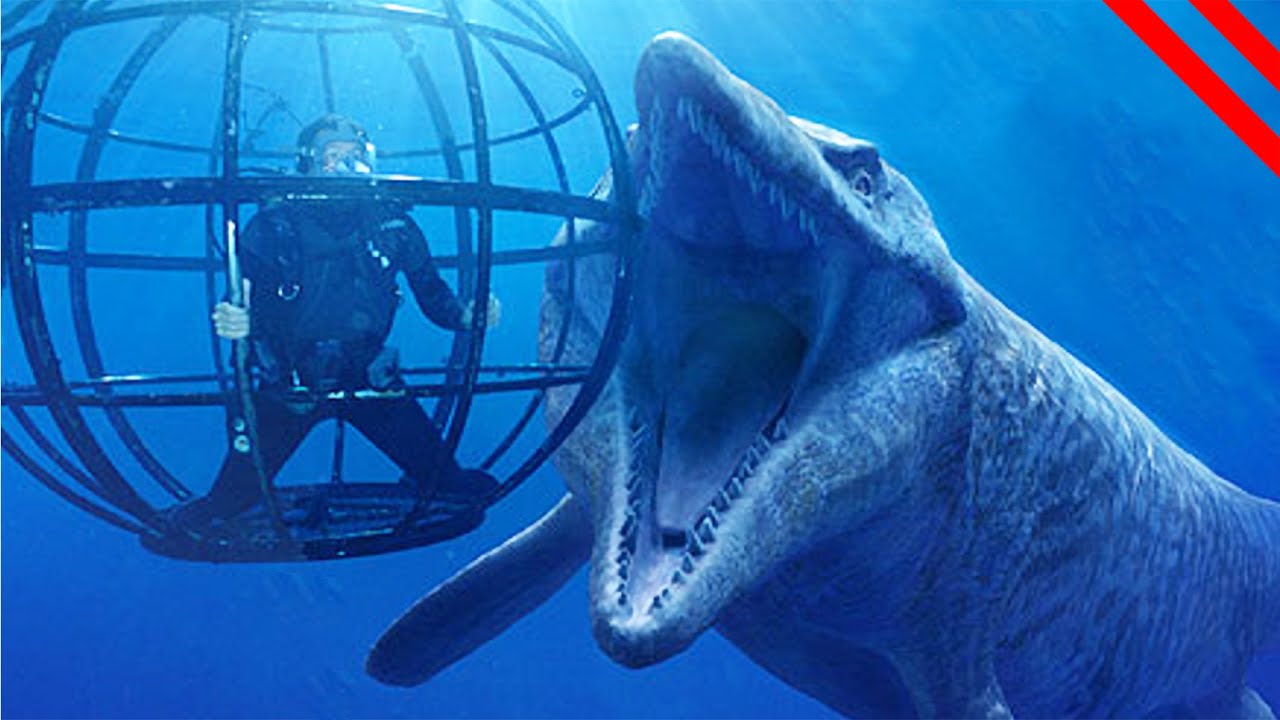
Tylosaurus
In the seas of the Cretaceous period, there was a carnivore that ruled the seas. The Tylosaurus preyed on seabirds, fish, and other smaller reptiles. The large size of its head allowed it to feed on animals almost larger than its size, but it could not chew its prey, what it did was tear it to pieces and thus be able to feed.
All audio and all video provided by audioblocks.com provided under the following license agreement.
https://www.storyblocks.com/license
The material credited in the link below was used, some with modifications, with rights provided per the publishing of said material under a CC-BY license. A material list and all attributions will be found there.
CC-BY - Extinct Animals We Shouldn't Bring Back #1MA
https://drive.google.com/file/d/1zWPp...
#ExtinctAnimals #WildLife #Dinosaurs @UniversosAbiertos
Повторяем попытку...
Доступные форматы для скачивания:
Скачать видео
-
Информация по загрузке: