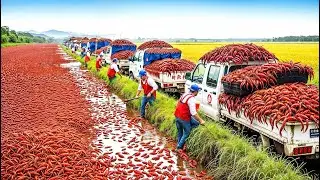
In Pakistan, land degradation is the slow death of farmland, a process that robs soil of its life
Автор: Sayef's Thoughts and Words
Загружено: 2025-12-19
Просмотров: 8
Описание:
Across the Punjab plains and Sindh's barrage lands, fields that once grew abundant wheat and cotton now struggle to support even modest harvests. The causes are many, but three stand out as especially destructive in our context: soil erosion, waterlogging, and salinity. These problems do not act alone. They join forces with fragmented land, outdated farming methods, and the growing stress of climate change to create a crisis that threatens both our food security and the livelihoods of millions of rural families. Yet solutions exist—sustainable farming practices and thoughtful land reforms can bring our fields back to life and restore hope to our farming communities.
Soil Erosion: The Earth Loses Its Skin
Soil erosion is the most visible form of land degradation in Pakistan. Every year, monsoon rains and flash floods strip away millions of tons of topsoil from our sloping lands, the rich upper layer where crops root and find nutrients. When heavy rain falls on the bare, deforested hills of Khyber Pakhtunkhwa or the overgrazed slopes of Balochistan, it carries precious soil particles into our rivers, turning the Indus muddy brown and leaving behind gullies and barren patches. In the wind-swept areas of southern Punjab and Sindh, dry gales lift fine soil into the air, scattering it far from where it is needed and creating dust storms that choke our villages.
The loss of topsoil means the loss of fertility in a country where most farmers cannot afford expensive inputs. A single inch of topsoil may take centuries to form, yet one of our intense monsoon downpours can wash it away in hours. Without this living skin, the earth cannot hold moisture or support the microbes that feed our wheat and maize crops. Pakistani farmers often respond by adding more urea and DAP, but these chemicals cannot replace the complex structure of healthy soil. Over time, yields fall, and the land becomes dependent on costly fertilizers that further degrade its natural balance, trapping smallholders in debt.
Erosion also causes problems beyond the field. Sediment clogs our already stressed irrigation channels and reservoirs, reduces water quality for downstream users, and increases the risk of flooding in communities along the Indus and its tributaries. It is a chain reaction that begins with a single raindrop in our northern areas and ends with a village's water supply at risk hundreds of kilometres away in Sindh.
Повторяем попытку...

Доступные форматы для скачивания:
Скачать видео
-
Информация по загрузке: