God is Looking for Relationship, Not Only Rescue. ~ Jeremiah
Автор: Packinghouse Christian Fellowship
Загружено: 2026-02-19
Просмотров: 10
Описание:
We are continuing our study through the book of Jeremiah and we are in the middle of chapter 32. We have come to verse 16. In the first half of the chapter, we saw a sermon acted out. Now we are going to hear a sermon prayed out.
Jeremiah obeyed with his hands, but now he struggles with his heart. And what follows is one of the most honest prayers in Scripture—where a prophet says, in effect: “Lord, I trust You… but I don’t understand You.” Up to this point in Jeremiah 32, we have watched the prophet obey God in a very tangible visible way, Jeremiah has done what God asked—but he doesn’t yet know how to make sense of it.
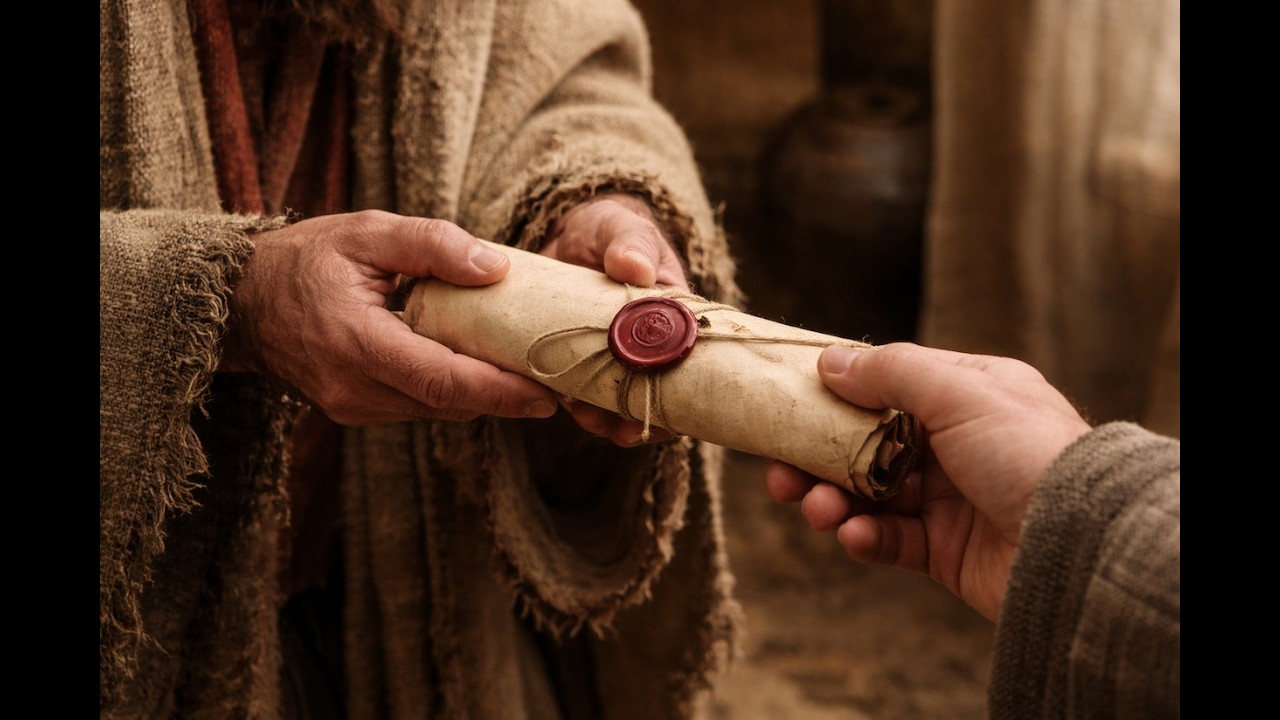
He signs the deed, weighs the silver, seals the documents… and then he goes to pray. And that is often where obedience leads us: not to instant clarity, but to deeper questions. In verses 16–44, we are invited into Jeremiah’s private prayer, and there we discover what was going on in his heart: we listen in as a faithful man brings his confusion honestly before a faithful God.
Faith struggling with reality, obedience wrestling with understanding, and hope anchored in the character of God.
Lets Look at our outline:
Verses 16–25 A Prayer Declaring the Greatness of God
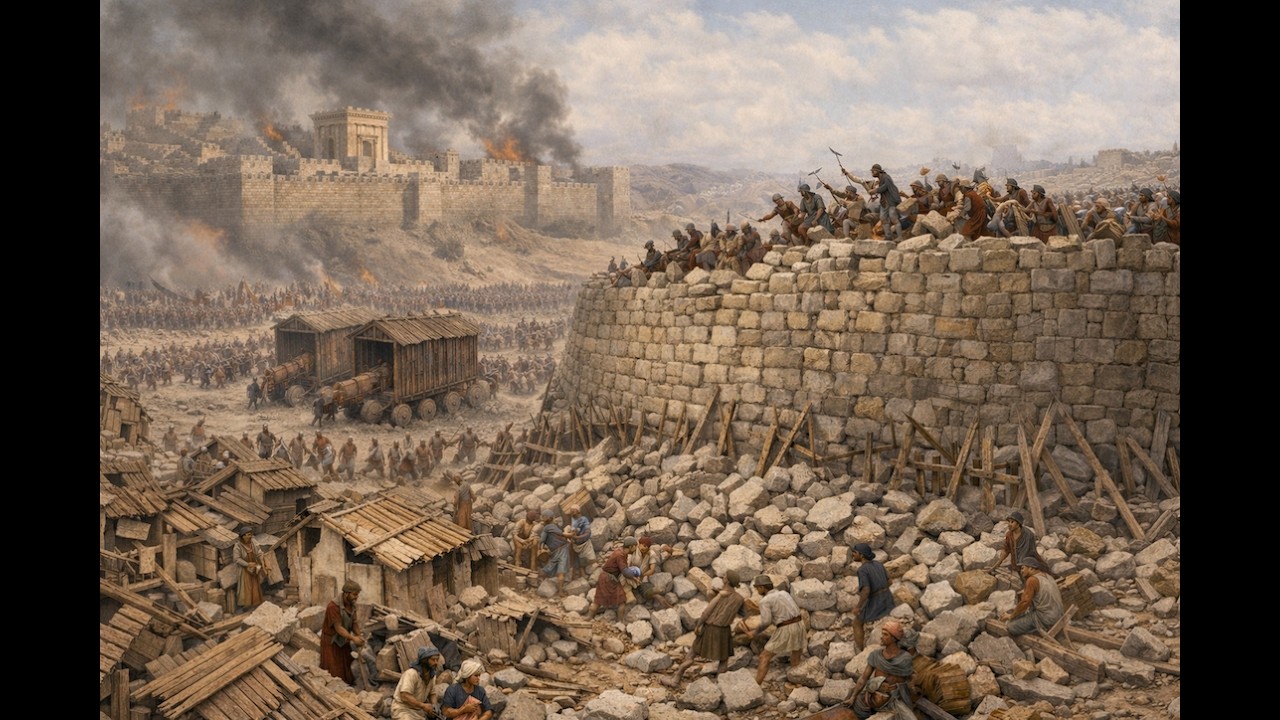
Jeremiah’s prayer balances awe and confusion. The prayer also mentions the failure of God’s people. After the purchase, Jeremiah prays. He praises God’s power—“Nothing is too difficult for You”— The prayer begins with a long praise to God, but then we move to Jeremiah’s prayer wrestling with God’s purposes. He voices his confusion: the city is besieged, the Babylonians are at the walls, and yet God told him to buy land. Why invest in property that looks doomed? His prayer concludes by expressing his disbelief that the Lord had commanded His servant to buy the land in Anathoth
Verses 26–35 – God Gives an Account of the People’s Rebellion
The LORD replies by first restating His strength—“Behold, I am the LORD, the God of all flesh. Is anything too difficult for Me?” —then explaining the judgment and the future mercy. Judah’s sins have brought judgment. From the days of kings, priests, and prophets they “turned their backs” to Him, built high places to Baal, and even sacrificed their children to Molech in the Valley of Hinnom. Therefore the Babylonian conquest is just.
Verses 36–41 – The promise of Restoration: Fulfilled in the New CovenantNow the tone shifts, God’s answer ends with hope. He promises to gather His people from every land of exile, He will give them security in the land, and a renewed relationship with Him. This is one of the most incredible promises in the Old Testament, I will give them “one heart and one way,” . . . I will make an everlasting covenant, I will not turn away from doing them good.” I will plant them in this land, with all My heart and all My soul.
Verses 42-44 - Connecting the Promises to Jeremiah’s Purchase of land.
The thought begins with judgment pressing in and ends with hope breaking through.
Once again they will see deeds of purchase, fields being bought, all overt the land, they will hear wedding songs, and gather harvests. All the things that don’t happen during a siege. The field Jeremiah bought is a down payment on that future. This restoration does not rest on Israel’s resolve—but on God’s grace. The same God who judges sin also commits Himself to future redemption.
Повторяем попытку...
Доступные форматы для скачивания:
Скачать видео
-
Информация по загрузке:









![ARMIA PUTINA DRUGĄ ARMIĄ ŚWIATA? PRAWDZIWA SIŁA ROSJI [WOLSKI I BOJKE]](https://imager.clipsaver.ru/-0hLR4R3gvk/max.jpg)