Rare WWII Axis Fighter Cockpits - A6M2 Zero, Me-262, Bf-109
Автор: Ryan G - Aviation
Загружено: 2026-02-15
Просмотров: 331
Описание:
Excerpts from the Official Aircraft Descriptions:
Mitsubishi A6M2 Zero
The Allies' main opponent in the Pacific air war, the Zero is the most famous symbol of Japanese air power during World War II. The fighter first flew in April 1939, and Mitsubishi, Nakajima, Hitachi and the Japanese navy produced 10,815 Zeros from 1940-1945. Zeros were produced in greater number than any other aircraft. Its distinctive design and historical impact make the Zero an important machine in air power history.
This Nakajima-built A6M2 was placed on display in 2004. It was found in Papua New Guinea, near the city of Kavieng on New Ireland, and was probably one of the aircraft delivered to Rabaul and operated at Kavieng by the 6th Kokutai (Squadron) and later by the 253rd Kokutai. It is painted to represent a section leader's aircraft from the aircraft carrier Zuiho during the Battle of the Bismarck Sea, March 1943, in which Allied air power won a major victory over Japanese sea power. American and Australian aircraft sank four Japanese destroyers and 15 troop ships, and shot down more than 50 Zeros, preventing Japanese reinforcements from reaching New Guinea.
TECHNICAL NOTES:
Armament: Two 20mm cannon, two 7.7mm machine guns
Engine: Sakae 12 of 940 hp
Maximum speed: 316 mph
Range: 1,930 miles
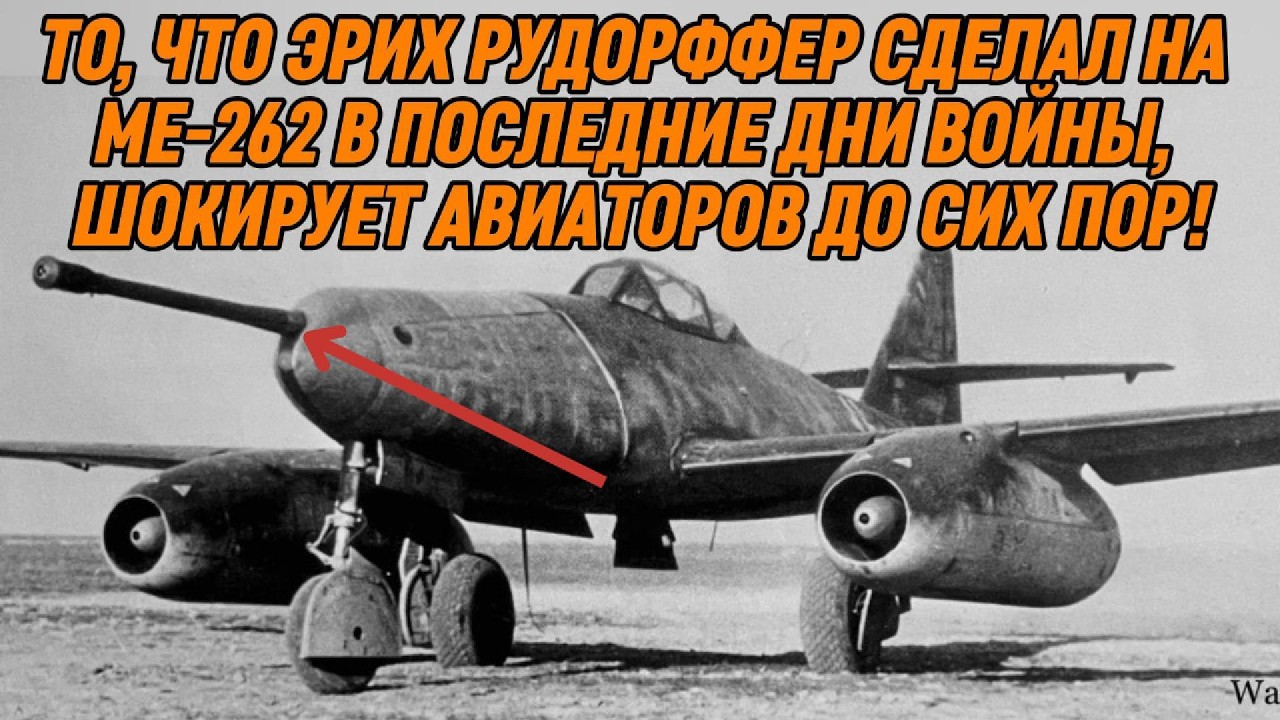
Messerschmitt Me-262A Schwable
Developed from a 1938 design by the Messerschmitt company, the Me 262 Schwalbe was the world's first operational turbojet aircraft. First flown under jet power on July 18, 1942, it proved much faster than conventional airplanes. Development problems (particularly its temperamental engines), Allied bombings and cautious Luftwaffe leadership contributed to delays in quantity production.
On July 25, 1944, an Me 262 became the first jet airplane used in combat when it attacked a British photo-reconnaissance Mosquito flying over Munich. As a fighter, the German jet scored heavily against Allied bomber formations. U.S. Army Air Forces bombers, however, destroyed hundreds of Me 262s on the ground. Of the more than 1,400 Me 262s produced, fewer than 300 saw combat. Most Me 262s did not make it to operational units because of the destruction of Germany's surface transportation system. Many of those that did were unable to fly because of lack of fuel, spare parts or trained pilots.
The Me 262A on display was brought to the United States from Germany in July 1945 for flight evaluation. Restored by the 96th Mobile Maintenance Squadron, Kelly Air Force Base, Texas, in 1976-1979, it is painted without operational unit markings as an aircraft that has just left the production line.
TECHNICAL NOTES:
Armament: Four 30mm MK-108 cannons and 1,000 lbs. of bombs
Engines: Two Junkers Jumo 004s of 1,980 lbs. thrust each
Maximum speed: 540 mph
Cruising speed: 460 mph
Range: 650 miles
Ceiling: 38,000 ft.
Span: 41 ft.
Length: 34 ft. 9 in.
Height: 11 ft. 4 in.
Weight: 15,600 lbs.
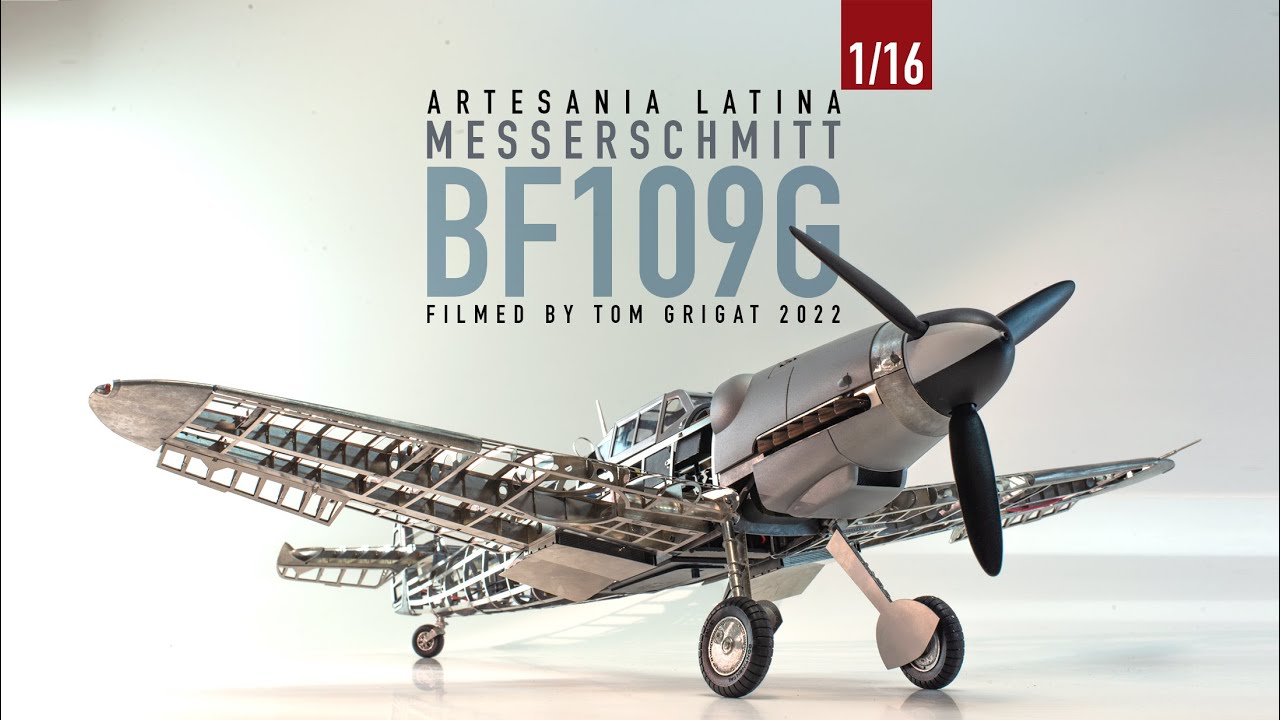
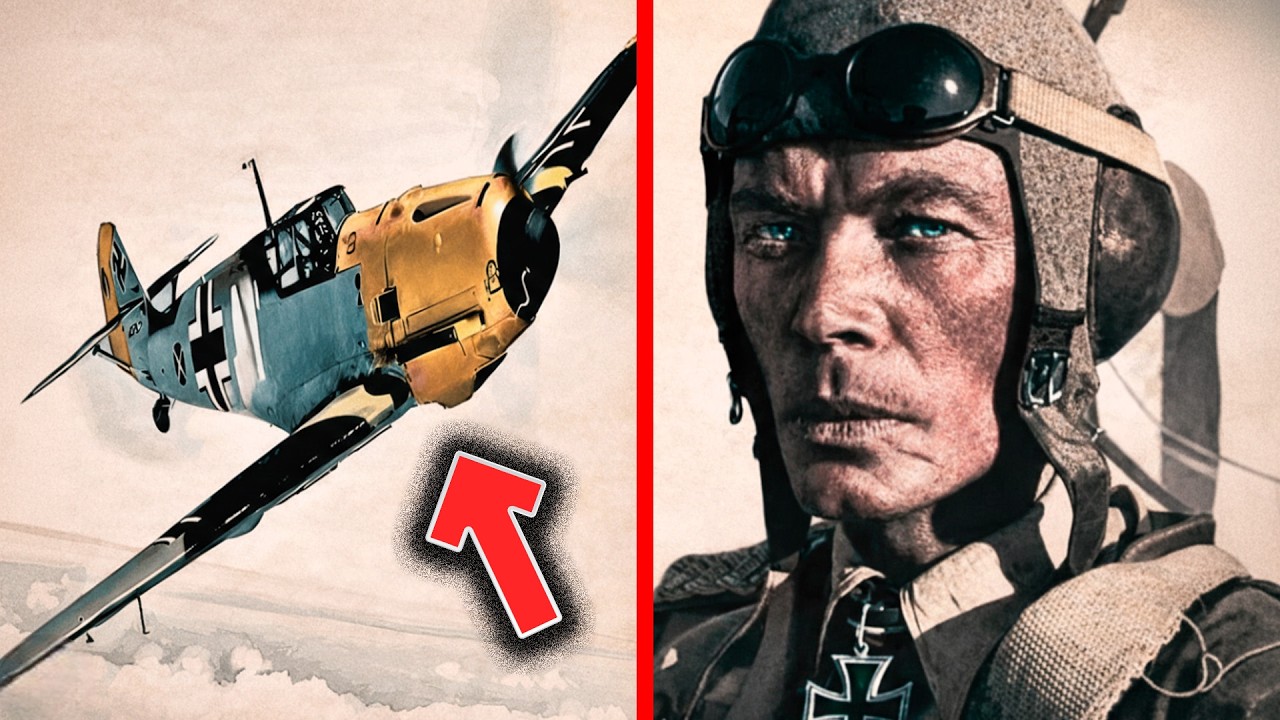
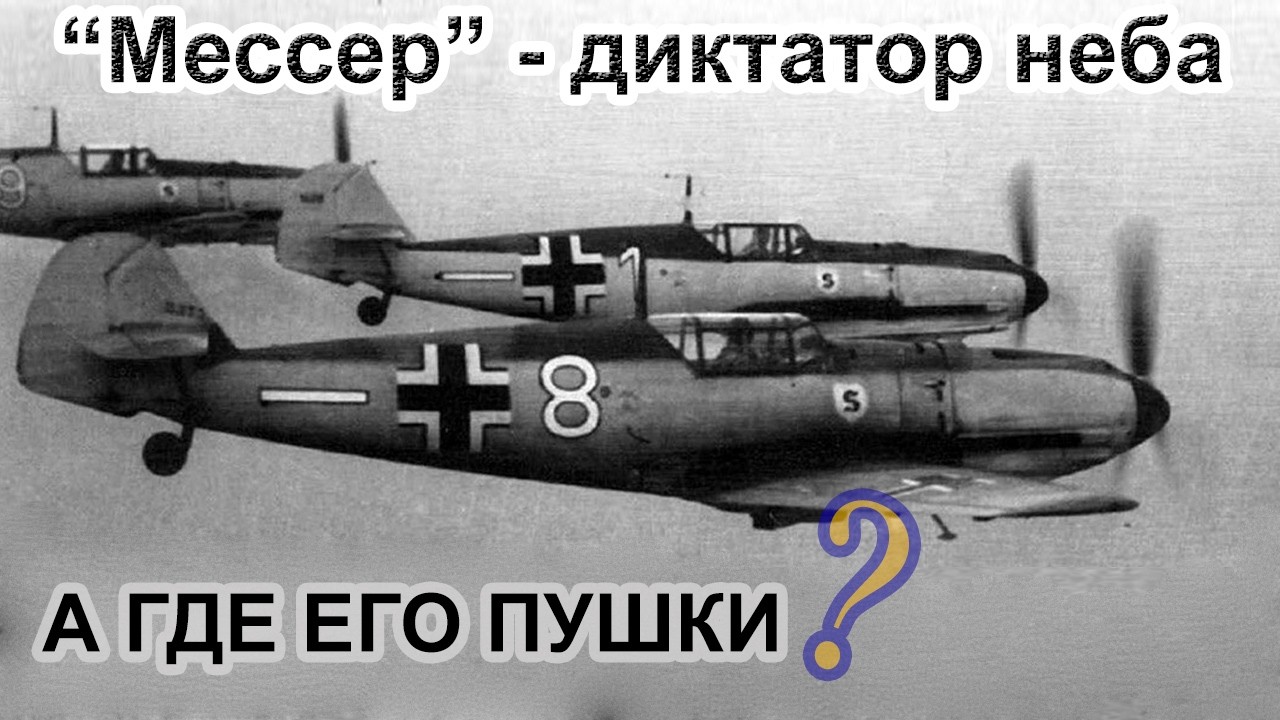
Messerschmitt Bf 109G-10
During WWII, the Bf 109 was the backbone of the Luftwaffe fighter force, serving on all fronts and also in the air forces of its European allies. Even though the superior Fw 190 began to replace the Bf 109 in some units as early as the summer of 1941, production of the Bf 109 actually rose until the closing months of the war and it remained the most numerous Luftwaffe fighter. By war's end, Germany had built more than 30,000 Bf 109s. Production of the Bf 109 continued on after the war in Czechoslovakia until 1949 and in Spain until 1958. It remains to this day the most produced fighter in history.
G-10 Series
The museum's Bf 109G-10 is painted to represent an aircraft from Jagdgeschwader 300, a unit that defended Germany against Allied bombers. JG 300 was originally formed as a Wilde Sau (or Wild Boar) night fighter unit in 1943 but converted to the day fighter role as U.S. bomber attacks intensified.
TECHNICAL NOTES:
Armament: One 30mm MK 108 cannon and two 13mm MG 131 machine guns
Engine: One Daimler-Benz DB 605D inverted V rated at 1,850 hp for take-off
Maximum speed: 426 mph at 24,280 ft.
Range: 373 miles
Ceiling: 41,400 ft.
Span: 32 ft.
Length: 29 ft. 5 in.
Height: 8 ft. 2.5 in.
Weight: 5,800 lbs.
Повторяем попытку...

Доступные форматы для скачивания:
Скачать видео
-
Информация по загрузке: