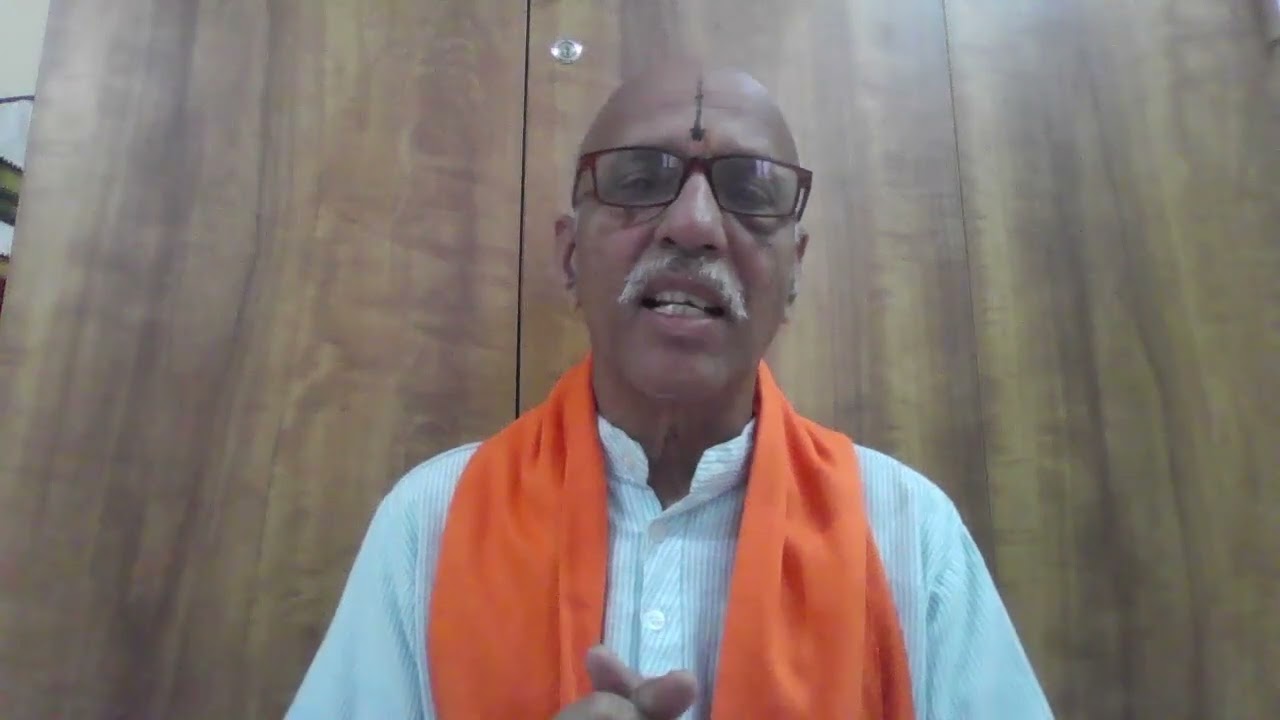
The Importance of Wearing Angara and Akshata on the Fore Head
Автор: Jnana Degula
Загружено: 2024-11-24
Просмотров: 1216
Описание:
Click Now : https://www.youtube.com/@jnanadegula2...
Facebook: / jnanadegulavidu
The Importance of Wearing Angara and Akshata on the Fore Head
#BrahminTradition #HinduCulture #TraditionalAttire #Angara #Akshata #SacredRituals #DevotionalPractices #IndianHeritage #CulturalSymbolism #SanatanaDharma
Angara
Meaning & Relevance
Mentioned in Padma Purana, Angara (sacred ash) offers protection from fears on earth, sky, and in space.
Applying Angara after offering it to Lord Vishnu is believed to bring wealth, free one from adversities, and protect against negative energies such as devils or thieves.
Offers blessings and spiritual elevation when used during pooja rituals, such as after deepa-aradhana.
Preparation
Take red-hot charcoal.
Offer dashangam or aromatic substances during pooja.
Cool it by immersing in water.
Preserve it for use after completing the pooja.
Application
Applied in places where Gopichandana (sandalwood paste) is typically used.
To be applied daily, including on Ekadashis and during periods of ashaucha (ritual impurity).
Akshata
Meaning & Relevance
Unlike Angara, Akshata does not have direct scriptural references. However, it is upheld as an authentic practice in the Madhwa tradition.
Some consider it as symbolic or ornamental (alankara), while others see it as significant in rituals, marking completion of worship.
Preparation
Ash of burnt plantain flower is collected.
A turmeric root is ground into a soft paste.
Mix the ash with the turmeric paste to achieve a maroon color.
Offer the Akshata paste to deities during pooja and keep it for use after the rituals.
Application
Applied to the forehead, over or beneath the Angara mark.
Not applied during Ekadashis or during ashaucha.
Debates & Perspectives
Scholars and practitioners have differing opinions on the necessity and significance of Angara and Akshata.
Vedic or Agamic Sources: Akshata lacks direct pramana (scriptural basis) but is deeply entrenched in sampradaya (tradition).
Symbolic Role: Some see Angara and Akshata as identifiers of Madhwa adherents, enhancing their connection to their philosophical lineage.
Cultural Continuity: Practices are preserved as acts of devotion and community identity rather than strictly scriptural mandates.
Key Observations
Angara and Akshata are deeply symbolic, with scriptural roots in the case of Angara, and traditional reinforcement for Akshata.
The spiritual purpose often outweighs the absence of scientific or textual rationale in traditional practices.
Madhwa leaders and texts like Sumadhwa Vijaya refer to these practices as integral to devotional identity.
Through reverence and proper execution, these practices reflect adherence to tradition and devotion to Lord Vishnu.
Повторяем попытку...
Доступные форматы для скачивания:
Скачать видео
-
Информация по загрузке: