Life Cycle of Stars | The Story of the Birth and Death of a Star | Geography For UPSC | Life of Star
Автор: Sorout education
Загружено: 2025-10-13
Просмотров: 264
Описание:
Life Cycle of Stars | The Story of the Birth and Death of a Star | Geography For UPSC | Life of Star
#stars #sun #universe #space #spacescience #spacefacts #spaceexploration #astronomy #astrophysics #astrology #upsc #upscexam #geography #geographyfacts #sciencefacts #scienceeducation #scienceexplained #sciencefiction #geographyclasses
Life Span of a Star: Low-mass stars:- Trillions of years
Intermediate-mass stars:- Millions to billions of years, with our Sun living for about 10 billion years (completed 4.5 billion years).
High-mass stars:- A few million years
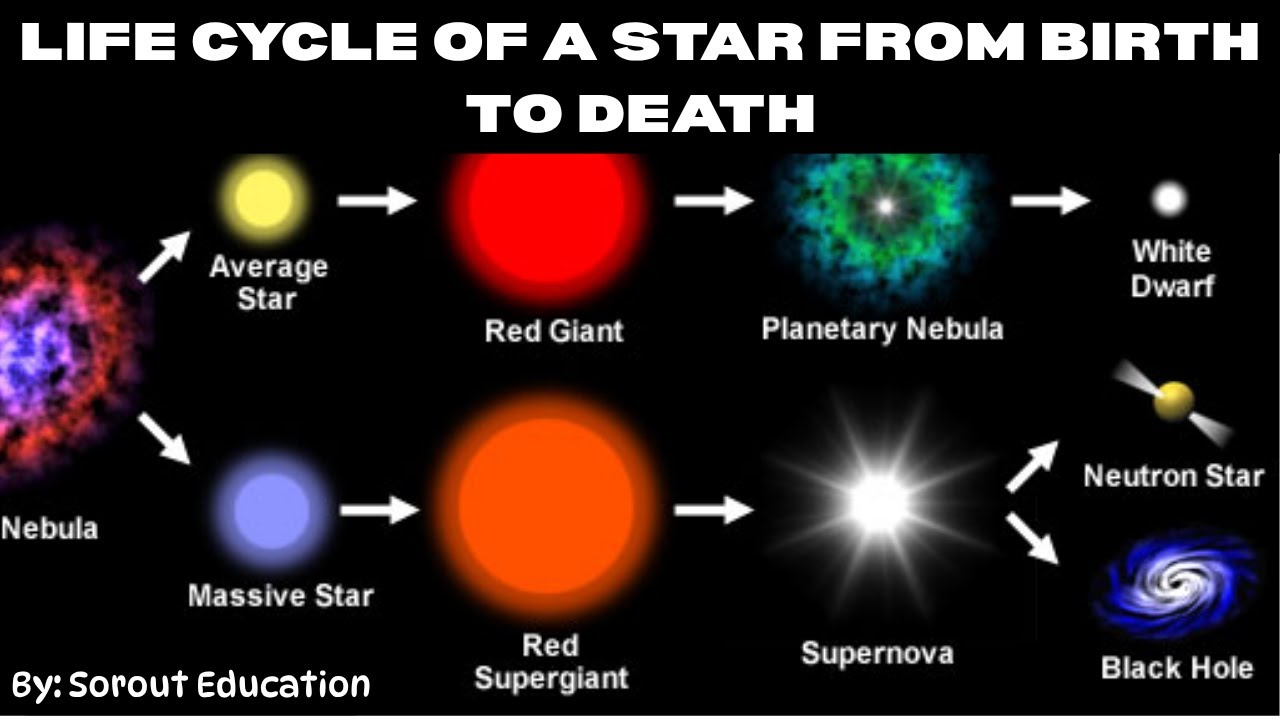
Life cycle of a star
1. Nebula (Birthplace): Formation: A star begins as a vast cloud of gas (mostly hydrogen and helium) and dust, known as a nebula.
Gravity's Role: Gravity pulls particles together, forming dense molecular clouds.
Temperature: The temperature in the cloud is low enough for the synthesis of molecules.
2. Protostar: When the gas particles in the molecular cloud run into each other, heat energy is produced.
This results in the formation of a warm clump of molecules referred to as the Protostar.
The creation of Protostars can be seen through infrared vision as the Protostars are warmer than other materials in the molecular cloud.
Several Protostars can be formed in one cloud, depending on the size of the molecular cloud.
3. T-Tauri Phase: A T-Tauri star begins when materials stop falling into the Protostar and release tremendous amounts of energy.
The mean temperature of the Tauri star isn’t enough to support nuclear fusion at its core.
The T-Tauri star lasts for about 100 million years, following which it enters the most extended phase of development – the Main sequence phase.
4. Main Sequence: The main sequence phase is the stage in development where the core temperature reaches the point for the fusion to commence.
In this process, the protons of hydrogen are converted into atoms of helium.
This reaction is exothermic; it gives off more heat than it requires and so the core of a main-sequence star releases a tremendous amount of energy.
5. Red Giant: A star converts hydrogen atoms into helium over its course of life at its core.
Eventually, the hydrogen fuel runs out, and the internal reaction stops.
Without the reactions occurring at the core, a star contracts inward through gravity causing it to expand.
As it expands, the star first becomes a subgiant star and then a red giant.
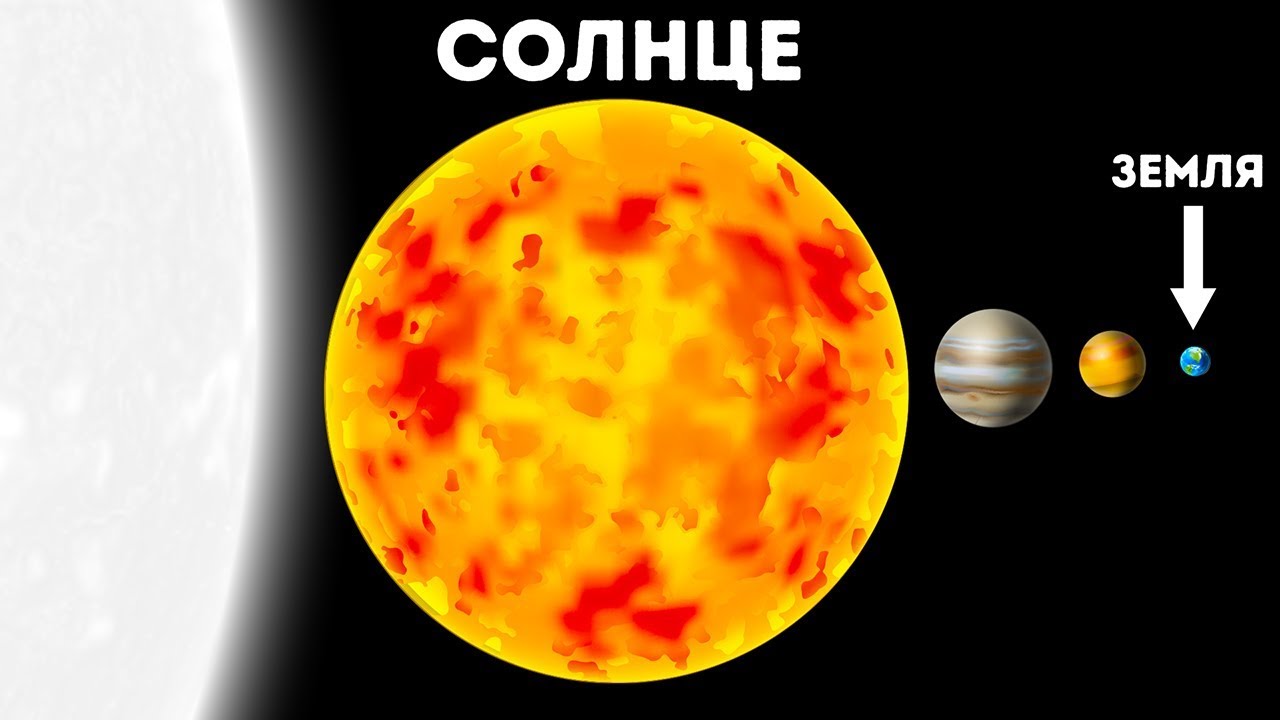
Red giants have cooler surfaces than the main-sequence star, and because of this, they appear red than yellow.
6. The Fusion of Heavier Elements: Helium molecules fuse at the core, as the star expands. The energy of this reaction prevents the core from collapsing.
The core shrinks and begins fusing carbon, once the helium fusion ends. This process repeats until iron appears at the core.
The iron fusion reaction absorbs energy, which causes the core to collapse. This implosion transforms massive stars into a supernova while smaller stars like the sun contract into white dwarfs.
7. Supernovae and Planetary Nebulae: Massive Star: Most of the star material is blasted away into space (Supernovae Explosion), but the core implodes into a neutron star or a singularity known as the black hole.
Less massive stars: don’t explode, their cores contract instead into a tiny, hot star known as the white dwarf while the outer material drifts away. Pre condition of White dwarf is Planetary Nebulae.
Stars tinier than the sun: don’t have enough mass to burn with anything but a red glow during their main sequence. These red dwarves are difficult to spot. But, these may be the most common stars that can burn for trillions of years.
Повторяем попытку...
Доступные форматы для скачивания:
Скачать видео
-
Информация по загрузке: