Satellite population data analyses for aid and humanitarian work
Автор: mWater
Загружено: 2021-02-11
Просмотров: 977
Описание:
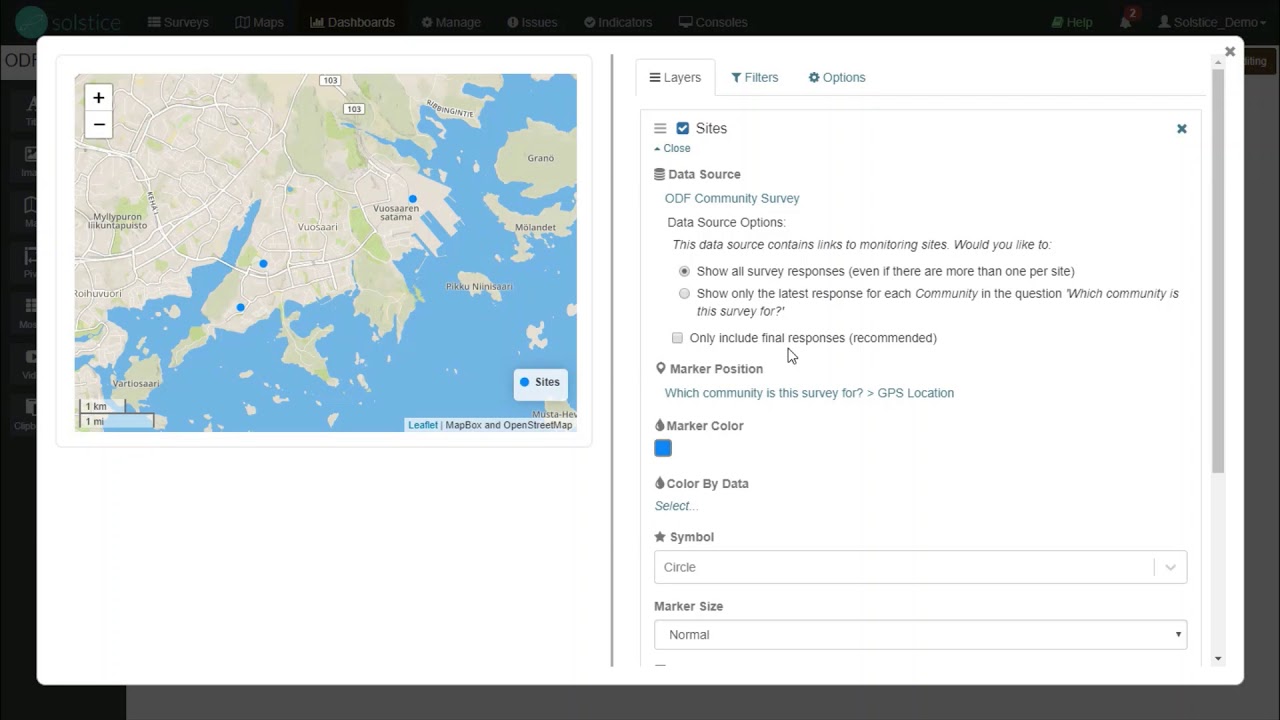
You can now estimate the population living within a distance of any point across the globe and use to drive decision making around interventions, and improve stakeholder reporting.
01:35 Examples
04:28 How to use it
08:20 Building a population query live
This is open to actors in international development, humanitarian work, governments, academic institutions, local NGOs - in short, any user of either of our free platforms, mWater (WASH focus) or Solstice (any sector), can make unlimited use of this new analysis option.
With a couple of steps you can build maps and interactive analyses that show the amount of people living with a distance of a point or are, such as a district, commune, or custom shapefile (groundwater potential, lithology, etc).
In depth guidance on using satellite data in mWater and Solstice here:
https://portal.mwater.co/#/resource_c...
https://solstice.world/#/resource_cen...
General guidance on creating analyses:
https://portal.mwater.co/#/resource_c...
https://solstice.world/#/resource_cen...
Video slides:
https://www.canva.com/design/DAEVjpr8...
Example use cases:
Find out which populations are underserved
Prioritize interventions
Triangulate the amount of people reached through your work
Plan new installations
Aggregate population at the commune, district, or regional levels and see what proportion your work is reaching
Basic steps:
1. Select a data source which includes location information
2. Choose the Population Within formula
3. Configure the Location and Distance fields of that formula
The satellite data comes from the Data for Good initiative. Learn more about the satellite data itself here:
https://portal.mwater.co/#/resource_c...
https://dataforgood.fb.com/tools/popu...
Full list of data sources used:
https://share.mwater.co/v3/dashboard_...
A message from our CEO: This new feature is a game-changer in aid. Using the satellite data-derived population data layers from Columbia University and Facebook, we now have map layers that can quantify users of a water system or people without a decent water source. Until now, it's always been wild algorithms just guessed at by governments, NGOs, and other stakeholders.
Please get in touch if you have any questions, suggestions, or exciting case studies to share. This helps the platform get better for everyone.
Reach us via:
[email protected]
[email protected]
[email protected]
Повторяем попытку...

Доступные форматы для скачивания:
Скачать видео
-
Информация по загрузке: