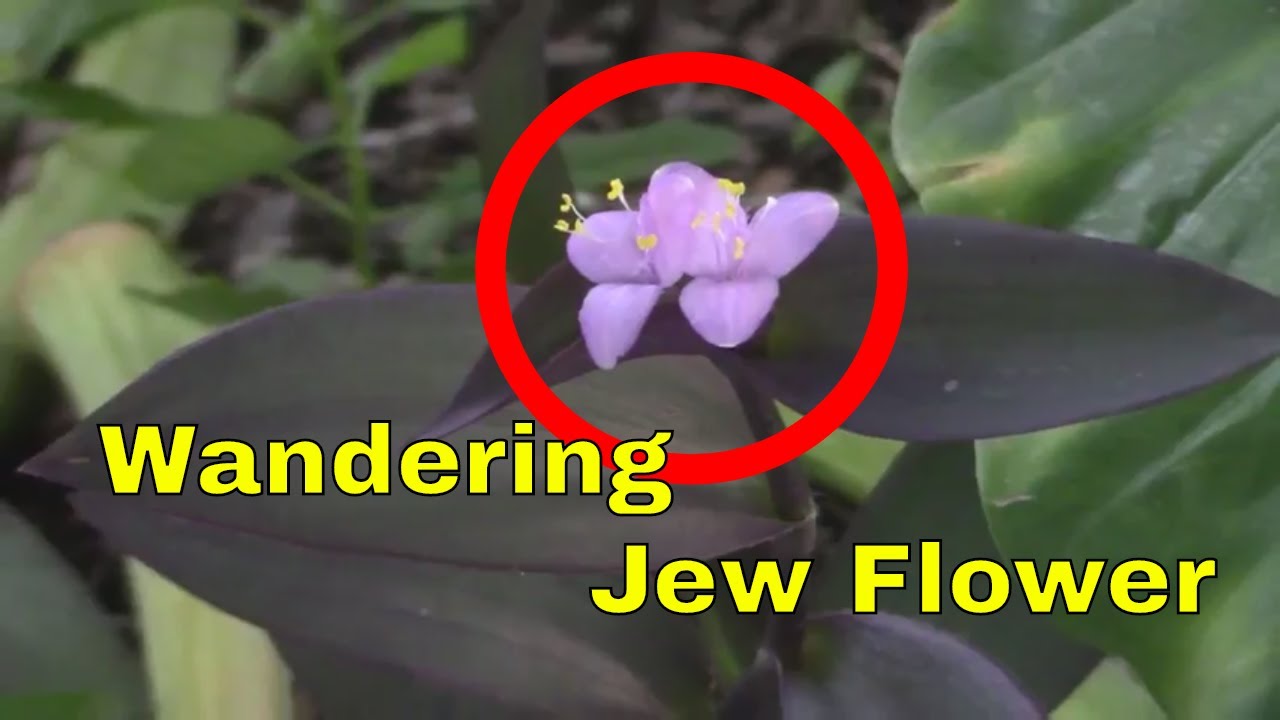
Wandering Jew Purple Heart Flower Garden Landscape Plant Tradescantia pallida secretia queen
Автор: Jamesss “Jim Bo” Today
Загружено: 2017-10-10
Просмотров: 863
Описание:
More about this plant below.
Available on eBay: http://ebay.to/2nEjjAS
Support this channel through Patreon:
/ jamessstoday
Filmed on a Canon VIXIA HF R700.
Amazon link to view: http://amzn.to/2GNFUnb
eBay link to view: http://ebay.to/2FLGzEr
This video contains affiliate links, which means that if you click on one of the product links, I might receive a small commission. Appreciatively, James
Very easy to grow garden landscape flowering plant. Tradescantia pallida is a species of spiderwort (a genus of New World plants) more commonly known as wandering jew, a name it shares with the closely related species T. fluminensis and T. zebrina. Other common names include purple secretia, purple-heart, and purple queen. It is native to the Gulf Coast region of eastern Mexico. Edward Palmer was the first European to observe and assign a Latin name to the type specimen near Ciudad Victoria, Tamaulipas in 1907. Video link • Wandering Jew Purple Heart Flower Garden L...
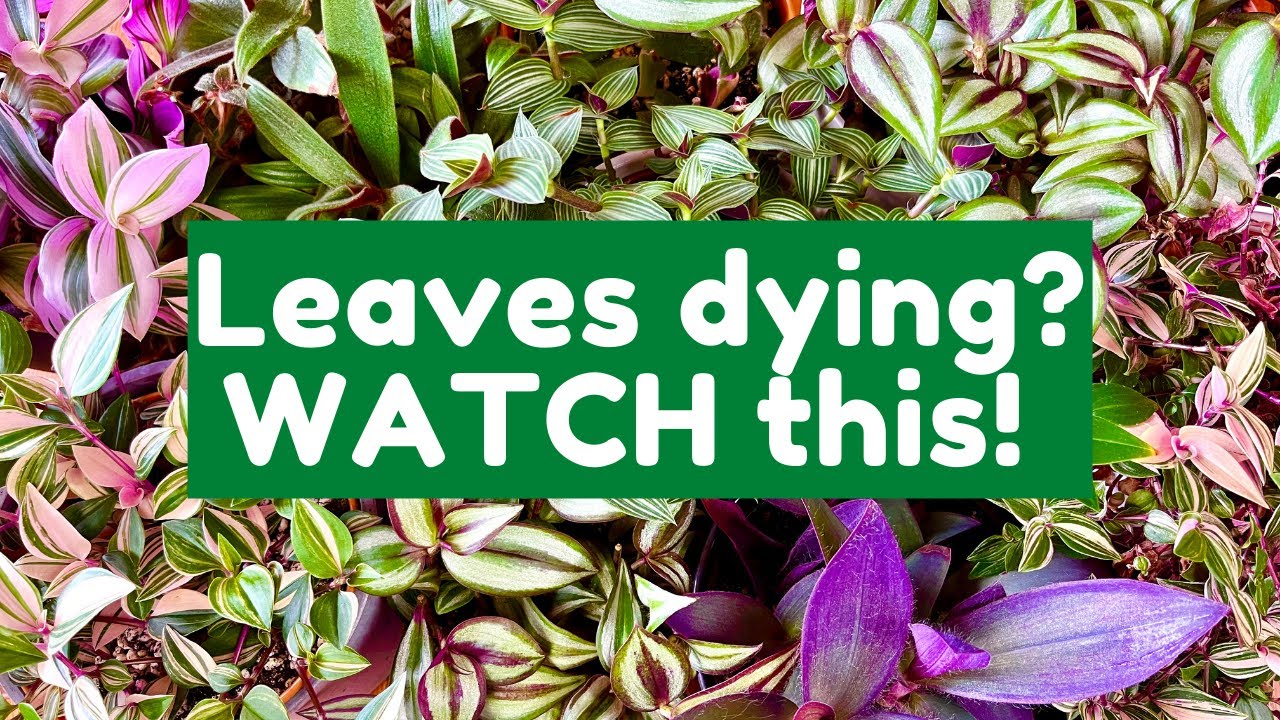
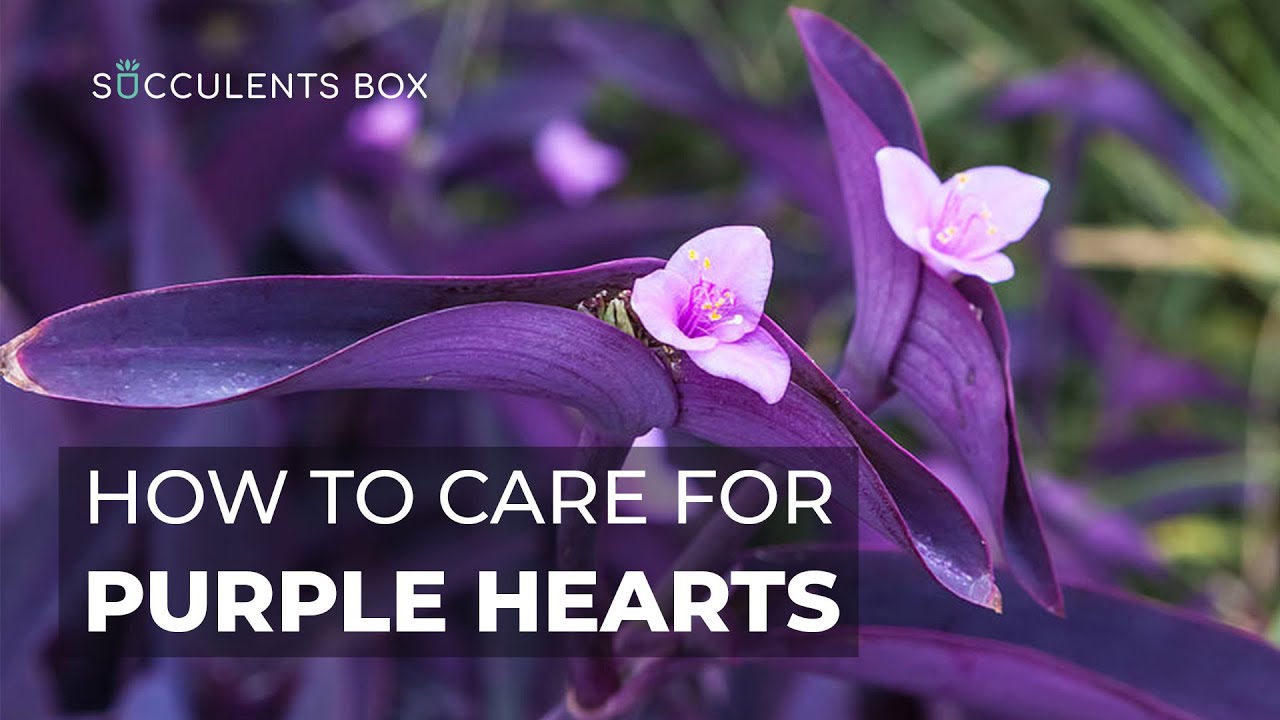
Description--Tradescantia pallida is an evergreen perennial plant of scrambling stature. It is distinguished by elongated, pointed leaves - themselves glaucous green, fringed with red or purple - and bearing small, sterile three-petaled flowers of white, pink or purple. Plants are top-killed by moderate frosts, but will often sprout back from roots. Protection by mulching will increase the chances of sprouting in marginal areas.
Cultivation--Widely used as an ornamental plant in gardens and borders, as a ground cover, hanging plant, or - particularly in colder climates where it cannot survive the winter season - houseplant, it is propagated easily by cuttings (the stems are visibly segmented and roots will frequently grow from the joints). However, this very characteristic, in addition to the fact that it is remarkably shade-tolerant and can thrive in a wide range of soil conditions, makes T. pallida quite formidable should it be encountered in situations where it has not been intentionally cultivated and carefully maintained. In areas throughout the southern United States and Australia, it is considered an invasive species and has defied many attempts at control or eradication.
As a houseplant, T. pallida has been judged exceptionally effective at improving indoor air quality by filtering out volatile organic compounds, a class of common pollutants and respiratory irritants, an effect known as phytoremediation.
Numerous cultivars are available, of which 'Purpurea' with purple foliage has gained the Royal Horticultural Society's Award of Garden Merit.
Plant care--Wandering jew plant care requires bright, indirect light. If the light is too dim, the leaf markings will fade. Keep the soil slightly moist, but don’t water directly into the crown as this will cause an unsightly rot in your wandering jew plant. Care should be taken, particularly in winter, that the plant doesn’t become too dry. Mist wandering jew plants frequently. Feed your plant monthly with a half-strength liquid fertilizer. An important part of growing wandering jew plants is pinching back the long, vining tendrils. Pinch back about a fourth of the plant to encourage branching and increase fullness. One of the main reasons for asking, “How do I care for my wandering jew?’ is the short life of the plant. Wandering jew houseplants do not age well. No matter how well your wandering jew plant care is, they lose their leaves at the base while the long legs keep growing. Don’t be surprised if your wandering jew plants need to be renewed once a year or so.
How to Grow Wandering Jew Plants from Cuttings--There are three ways to restart or grow a wandering jew houseplant. The first is, to me, is the most efficient. Cut off a dozen long legs and bury the cut ends in fresh potting soil. Keep the soil moist and within a few weeks, you’ll see new growth. Always make sure your soil is fresh, as the salt build up in old soil is lethal to wandering jew houseplants. Even though these plants hate soggy feet in their pots, they love rooting in water. A dozen shoots placed in a glass of water in a sunny window will produce roots in no time. The last way to re-root your wandering jew plant is to lay your cuttings right on top of the moist soil. Make sure each ‘joint’ makes contact with the soil. Roots will form at each joint and from each a new wandering jew houseplant will grow.
Vidoes usually uploaded daily in Engish from Dallas, Texas USA.
Filmed on a Canon VIXIA HF R700.
Business contact [email protected]
Повторяем попытку...
Доступные форматы для скачивания:
Скачать видео
-
Информация по загрузке: