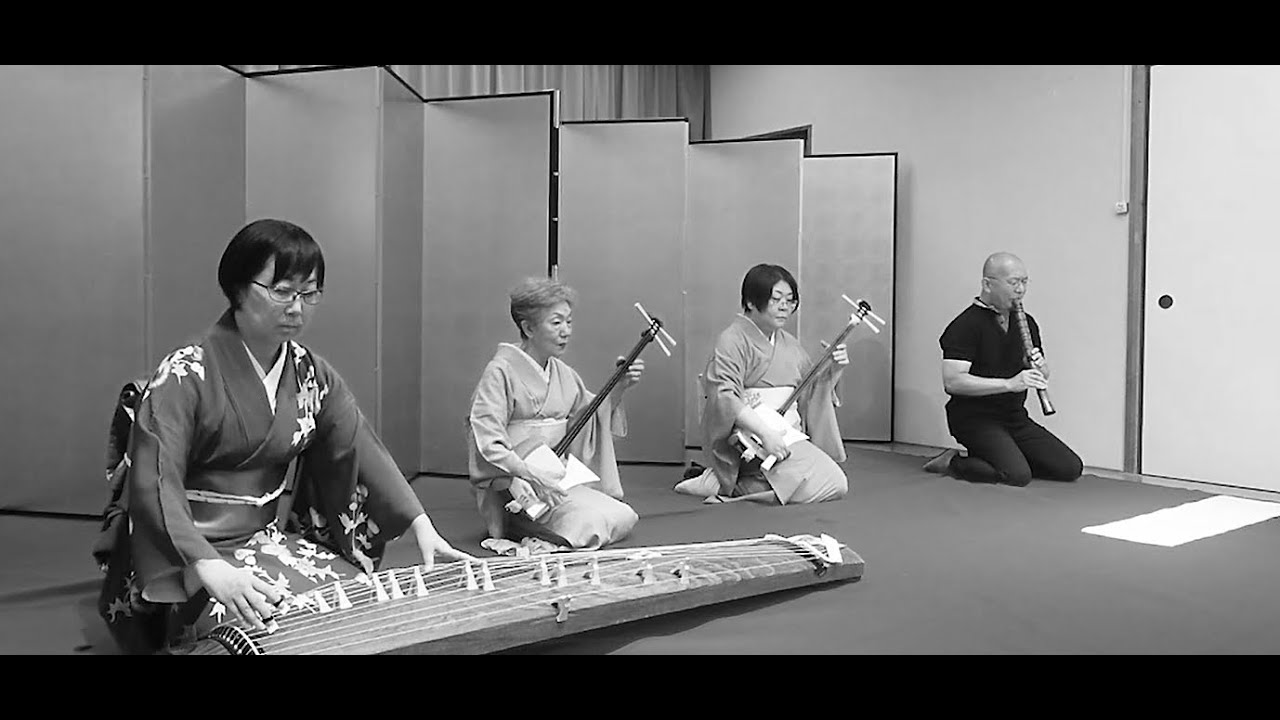
日本箏コンソート | Japanese Koto Consort
Автор: Sebastiaan
Загружено: 2024-10-28
Просмотров: 276
Описание:
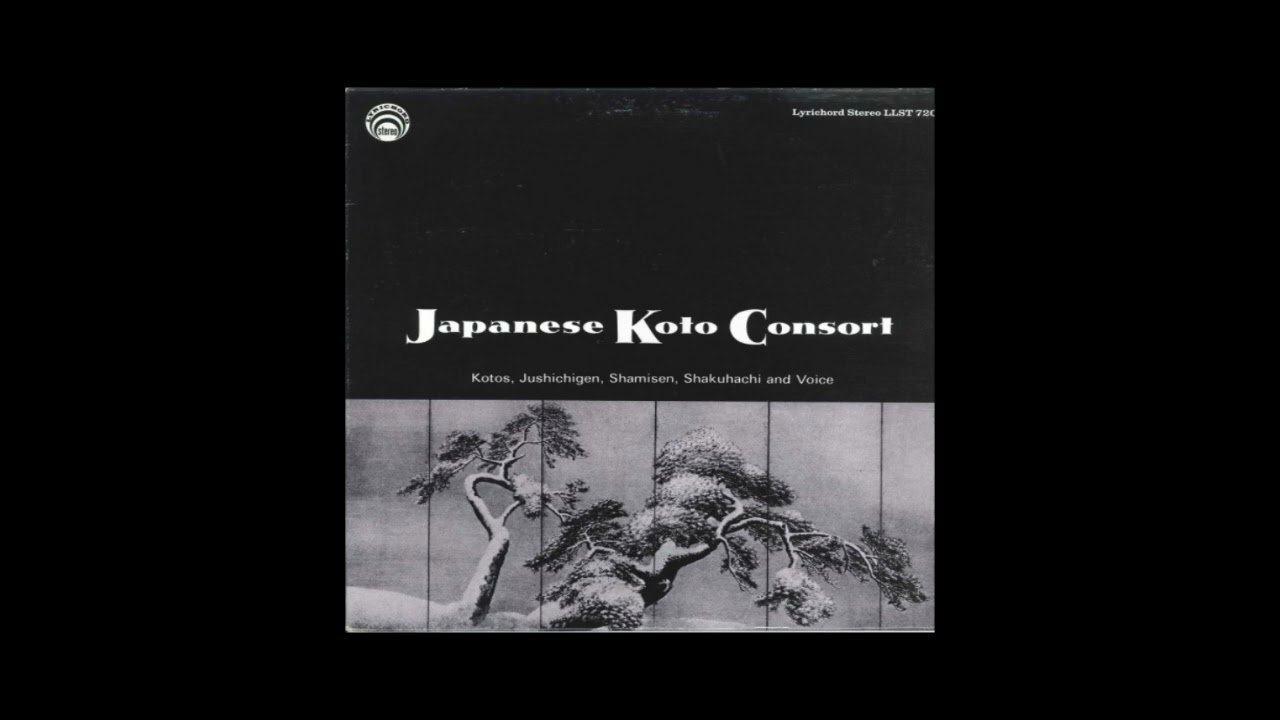
日本箏コンソート: 琴、十七絃、三味線、尺八と声
クレジット:
アーティスト: 生田流師範
アルバムの種類: LPアルバム
リリース年: 1968年
トラックリスト:
A面:
0:00 八千代獅子
作曲者: 藤永検校
寛永時代(1624年〜1643年)に作曲されたクラシック作品で、もともとは尺八、三味線、声楽のための曲でした。メロディーは人気を集め、歌舞伎や長唄の劇にも適用されるようになりました。
10:04 秋の曲
作曲者: 吉沢検校
名古屋出身で生田流の名手であった吉沢検校による「秋の曲」。この曲は古今組曲の一部で、日本の伝統的な四季のテーマを反映しています。
B面:
23:36 京のわらべうた
京都のわらべうたに基づいた音楽で、琴、三味線、尺八のために編曲されています。この作品は生田流に属するものです。
27:55 幻を追って
作曲者: 筑紫勝子
九州の筑紫流の勝子による、琴と尺八のための幻想的な曲で、「幻を追って」というタイトルは「幻を追いかける」という意味です。
33:05 さすらい
作曲者: 坂本勉
京都の盲目の音楽家、坂本勉によって作曲された「さすらい」は、琴と尺八のために作られ、目的地のない旅を思わせる曲です。
39:56 大江戸日本橋
江戸(現在の東京)の歴史的な橋「日本橋」をモチーフにした短い琴の作品で、子供の歌を基にしたものです。
42:35 荒城の月
作曲者: 瀧廉太郎
「荒城の月」は滝廉太郎によって作曲された有名な民謡で、生田流の師匠によって編曲されています。郷愁と美しさを表現するためによく演奏される曲です。
アルバムの概要
「日本箏コンソート: 琴、十七絃、三味線、尺八と声」は、琴、三味線、尺八を中心とした日本の伝統音楽の魅力を深く探る作品です。琴はもともと宮廷楽器としての起源を持ち、家庭内での上品さや教養の象徴とされました。生田流の師範による演奏が収録されており、琴が長く、四角い爪を使う独自のスタイルで演奏されています。
琴の伝統には、17世紀から19世紀にかけて確立された3つの主要な流派があり、それぞれ異なる技術と音色を持っています。
八橋流
最も古い流派で、日本琴楽の基礎を築いた流派として知られています。この流派では、繊細で伝統的な演奏スタイルが重視されます。
生田流
生田流は17世紀末に生田検校によって設立され、関西地方で広く普及しました。この流派では、他の流派と比べて琴が長く、演奏に使われる爪も四角形です。そのため、生田流の音色は豊かで繊細であり、特に合奏での調和が重視されます。今回のアルバムに収録されている曲は、主に生田流の音楽です。
山田流
江戸時代後期に江戸(現在の東京)で生まれた流派で、歌との結びつきが強いのが特徴です。丸みを帯びた爪を使用し、柔らかく抒情的な音を奏でるため、歌との調和が得意とされています。
江戸時代には、琴、三味線、尺八が一緒に演奏される「三曲合奏」が始まりました。三味線は「骨」、琴は「肉」、尺八は「皮」として音楽の調和を作り出し、全体で一つの調べを奏でます。このアルバムには、三曲合奏の作品や、これらの楽器のソロ作品も含まれています。
Japanese Koto Consort: Kotos, Jushichigen, Shamisen, Shakuhachi, and Voice
Produced by: Master Musicians of the Ikuta School
Type: Album
Release Date: 1968
Tracklist:
Side A:
0:00 Yachiyo Jishi (八千代獅子)
Composer: Kengyo Fujinaga
This classical piece was composed during the Kan'ei period (1624-1643) and was initially intended for shakuhachi, shamisen, and voice. Its melodies became so popular that they were adapted into kabuki and nagauta theater.
10:04 Aki no Kyoku (秋の曲)
Composer: Kengyo Yoshizawa
"The Music of Autumn," composed by Yoshizawa, a master of the Ikuta School from Nagoya. This piece is part of the "Kokon Suite," which reflects traditional seasonal themes in Japanese music.
Side B:
23:36 Kyo no Warabeuta (京のわらべうた)
This piece is inspired by children’s songs from Kyoto, arranged for koto, shamisen, and shakuhachi. It represents the unique musical stylings of the Ikuta School.
27:55 Maroboshi o Otte (幻を追って)
Composer: Katsuko Tsukushi
Meaning "Chasing an Illusion," this modern composition by Tsukushi of the Tsukushi School from Kyushu is a fantastical piece for koto and shakuhachi.
33:05 Sasurai (さすらい)
Composer: Tsutomu Sakamoto
Titled "The Wanderer," this piece by blind Kyoto-based musician Sakamoto is composed for koto and shakuhachi and evokes the feeling of traveling with no set destination.
39:56 Oedo Nihonbashi (大江戸日本橋)
"Nihonbashi" refers to the historical bridge in Edo (present-day Tokyo). This short koto piece is based on children's songs and reflects the spirit of old Tokyo.
42:35 Kojo no Tsuki (荒城の月)
Composer: Rentaro Taki
"Moon Over the Ruined Castle" is a famous folk melody originally composed by Taki, later arranged by an Ikuta School master. It is often performed to express themes of melancholy and beauty.
Album Overview:
"The Japanese Koto Consort" presents a rich exploration of traditional Japanese music, focusing on the koto, shamisen, and shakuhachi. Originating as a court instrument, the koto became an emblem of refinement and has since held a revered place in Japanese homes. The album highlights both solo and ensemble performances within the Ikuta School tradition, one of Japan's three major koto schools. Ikuta-ryu musicians use square picks on a longer koto, creating a distinctive sound. Several pieces feature "sankyoku," or music for three instruments, where shamisen forms the structure ("the bone"), koto adds depth ("the flesh"), and shakuhachi completes the texture ("the skin").
Повторяем попытку...
Доступные форматы для скачивания:
Скачать видео
-
Информация по загрузке:
![Takahiko Ishikawa (石川鷹彦) - The Firmament (1993) [Full Album]](https://imager.clipsaver.ru/PeBjPaDQCs0/max.jpg)