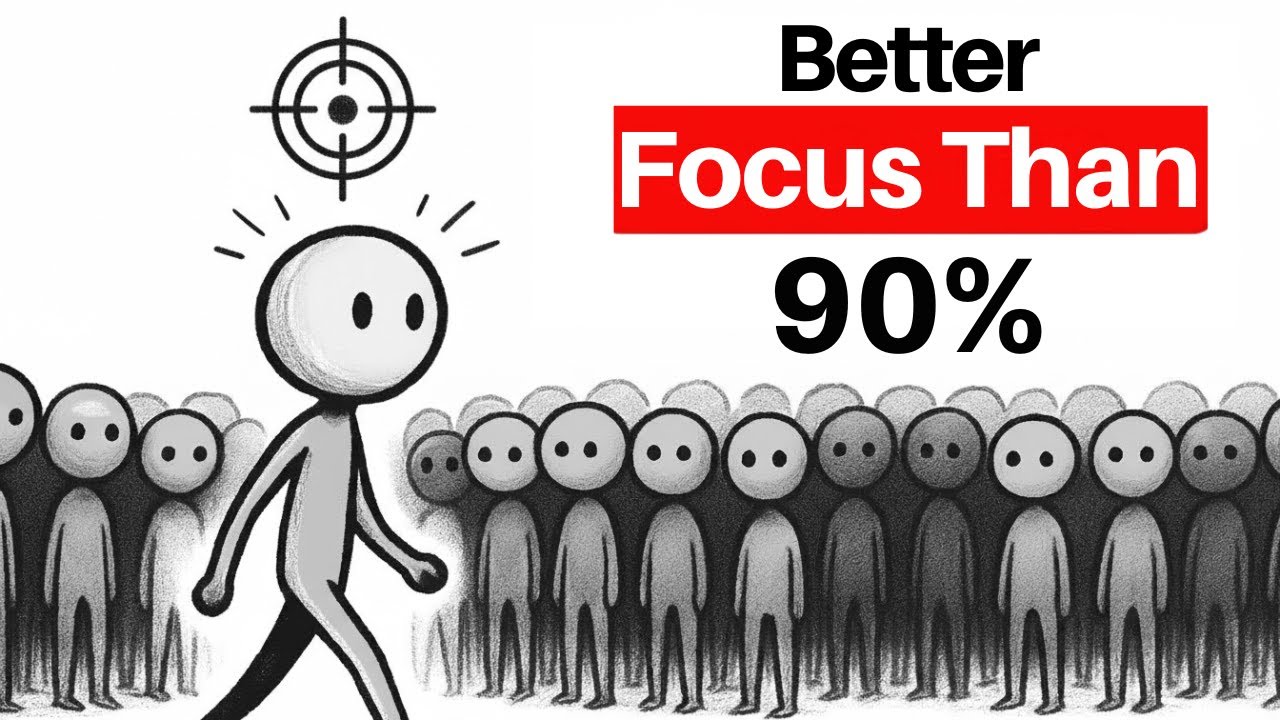
The Psychology of the Self Righteous
Автор: Koo
Загружено: 2026-02-10
Просмотров: 7
Описание:
Why does moral certainty sometimes feel so heavy? When someone is convinced they are absolutely right, it often registers as arrogance or superiority. But psychologically, self-righteousness is rarely about ego—it is often a desperate attempt by the nervous system to create safety in an unpredictable world.
In this analysis, we look past the behavior to the biology. We explore how "belief fusion" turns opinions into vital organs, why the brain releases dopamine when we feel morally superior, and how rigid judgment often masks a deep, low-grade anxiety about chaos. This is not about winning debates; it is about understanding the mechanics of a defensive mind that perceives ambiguity as a threat.
In this video, we explore:
• The neuroscience of "Belief Fusion" (why being wrong feels physically painful)
• How moral certainty acts as a guardrail for an anxious nervous system
• The "Backfire Effect" and why contradiction only hardens beliefs
• The hidden link between dopamine, reward circuitry, and judgment
• Why self-righteousness is often emotional scar tissue from past invalidation
• The evolutionary need for shared norms and group coordination
If you have ever felt exhausted by a rigid debate, or if you sometimes catch yourself clinging to certainty to avoid the discomfort of doubt, this video will help you understand the biological cost of that trade-off.
Watch until the end to discover why certainty is not a villain trait, but a psychological strategy that simply craves safety.
Subscribe for deep insights. Share your story.
#Psychology #HumanBehavior #MentalHealth #PersonalityTypes #SelfRighteousness #BeliefFusion #SocialNeuroscience #TraumaResponse
Disclaimer: This channel is created for educational and informational purposes only. It is not intended to replace professional psychological, medical, or therapeutic advice.
Повторяем попытку...

Доступные форматы для скачивания:
Скачать видео
-
Информация по загрузке: