Can a Computer Make You Cry? How Electronic Arts (Re)defined the Artist
Автор: CBC Arts
Загружено: 2018-03-06
Просмотров: 2192
Описание:
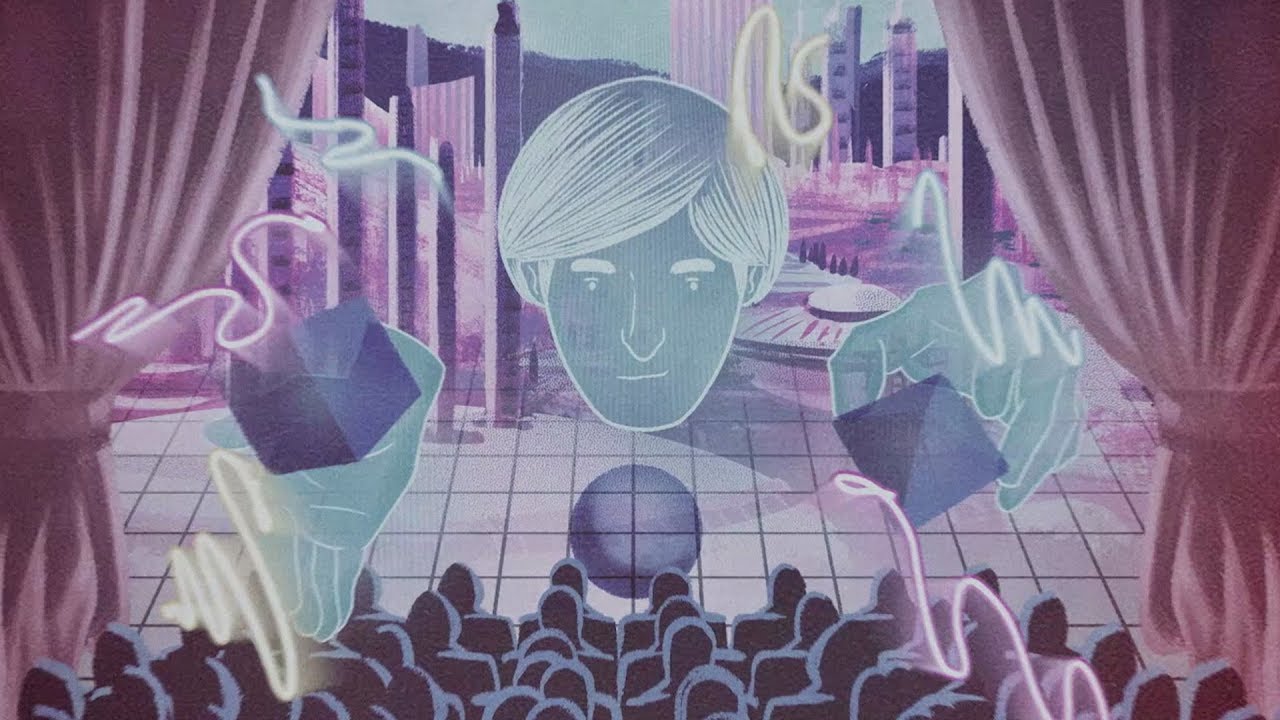
A young upstart in the gaming industry announces their intentions in an evocative ad campaign, which puts game designers front and centre, and challenges the very notions of what art can be.
Get a sneak peek of The Artists, our new series on the visionary creators of classic video games. Watch two episodes today on YouTube and the full series April 23rd at cbc.ca/watch.
»Subscribe to CBC Arts to watch more videos: http://bit.ly/CBCArtsSubscribe
We start in the modern era with an evocative voiceover, which poises the question, “Can a computer make you cry?” It’s a call to action for the potential of computers to elicit an emotional response, and occupy the same space that more traditional media – films, television,
books – currently hold in the public consciousness. Over this voiceover, we see imagery of the scale of the current video game industry – at events like the E3 conference in Los Angeles and massive e-sports competitions like League of Legends. We see where games are now, before going back to where they used to be.
We establish the world of computer games in the early 80s. It’s still pretty much a Wild West – a bunch of disparate companies that are jockeying for position, most notably Gates and IBM machines and a company called Apple with the two Steves – Jobs and Wozniak. At Apple, Trip Hawkins built a career and waited until the time was right – in 1982. Initially called Amazin’ Software, Hawkins wanted to recognize software as an art form and eventually ended up naming it Electronic Arts.
To announce his first slate of games from a core group of designers, Hawkins took a massive risk – he spent more on marketing than the actual development of the games themselves. He put the games in splashy, LP-styled packaging, with the designer’s name prominently displayed on the front. Most importantly, he launched a full page ad in numerous magazines, hiring a famous rock photographer and featuring his first stable of game designers as rock stars – artists of the 21st Century. It also drew a hard line in the sand – that games were the art form of the future.
We follow the creation of this campaign, and follow the lives of some of the key participants – most importantly some of the designers that were featured in the photograph. The first slate of games proved to be enormously successful – out of the first 6 games, 3 ultimately made the Computer Gaming World Hall of Fame. We follow the ups and downs of their stories, some of them going to make more games, others moving on to other jobs.
Interestingly enough, the initial impact of the campaign was short-lived, the public responded to the quality of the games, but the actual content of the ad was too cerebral and didn’t connect. It was quickly scrapped at the time. However, now in hindsight, is proved to be a watershed moment – the first time in popular culture that video games were to be treated on the same level as more traditional entertainment. It would also prove prescient as the industry has overtaken those traditional outlets in terms of audience, which makes this first statement all the more powerful. As the people involved with the campaign reflect back on that time, we see how important
that initial campaign was for the industry and people that consider themselves the new artists.
Find us at http://bit.ly/CBCArtsWeb
CBC Arts on Facebook: http://bit.ly/CBCArtsFacebook
CBC Arts on Twitter: http://bit.ly/CBCArtsTwitter
CBC Arts on Instagram: http://bit.ly/CBCArtsInstagram
About: CBC Arts is your destination for extraordinary Canadian arts. Whether you're a culture vulture, a working artist, an avid crafter, a compulsive doodler or just a dabbler in the arts, there's something for you here.
Seeing Farther: How Electronic Arts (Re)defined the Artist
/ cbcarts
Повторяем попытку...
Доступные форматы для скачивания:
Скачать видео
-
Информация по загрузке: