Hans Henkemans - Violin Concerto
Автор: Dutch Composers
Загружено: 2013-11-03
Просмотров: 3658
Описание:
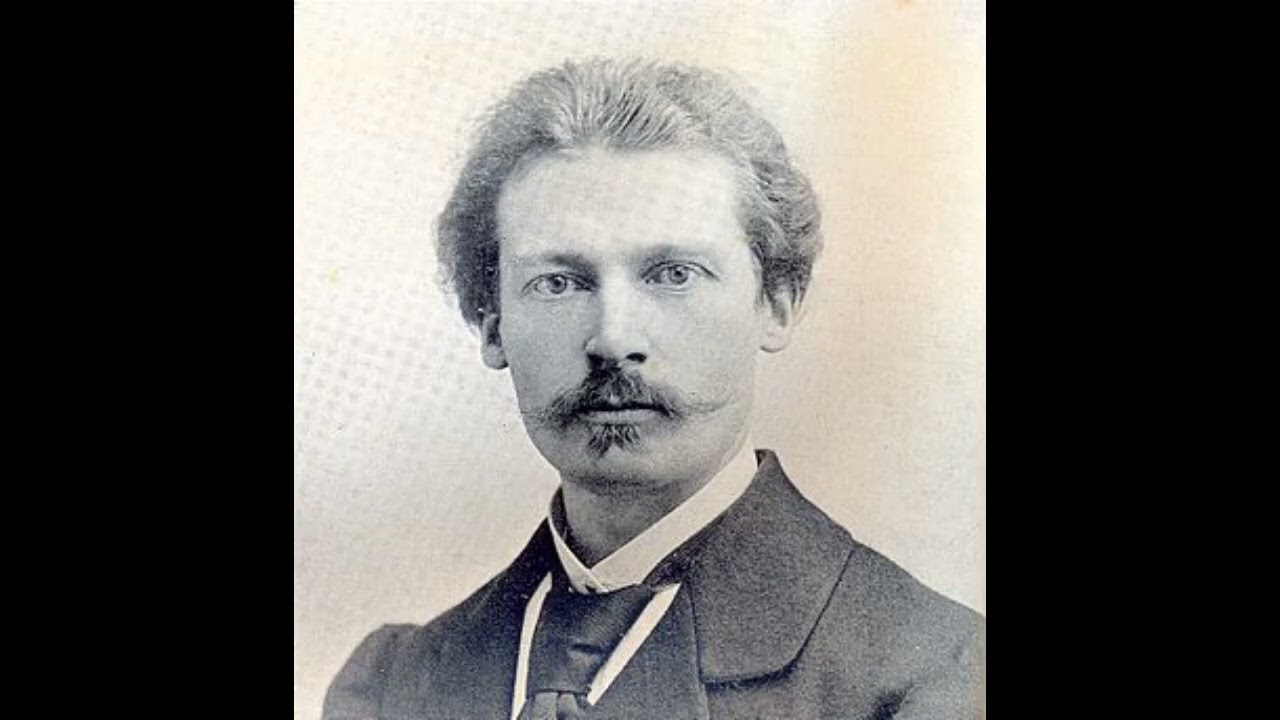
Hans Henkemans (1913-1995)
Concerto : per violino ed orchestra (1950)
1. Allegretto moderato - 00:00
2. Allegro marcato - 09:02
3. Molto adagio - 13:53
4. Allegro - 20:41
Theo Olof, violin
Orchestra: Concertgebouw Orchestra
Conductor: Eduard van Beinum
dedicated to Theo Olof
Program note (Dutch): Het Vioolconcert werd in 1951 voor het eerst uitgevoerd met Theo Olof en in 1953 bekroond met de Prof. van der Leeuwprijs. Het melodische materiaal is afgeleid van één thema, dat tal van veranderingen ondergaat. De solopartij is zeer zelfstandig behandeld en brengt dikwijls tegenmelodieën aan ten opzichte van de solopartijen van de blaasinstrumenten. Dit verleent aan de instrumentatie een opmerkelijke doorzichtigheid. Het grondthema verschijnt steeds in een ander aspect: de verschillende gestalten waarin het verschijnt houden verband met de gevoelsinhoud, welke de componist eraan heeft willen verlenen onder invloed van de zielsbewogenheid van het moment.
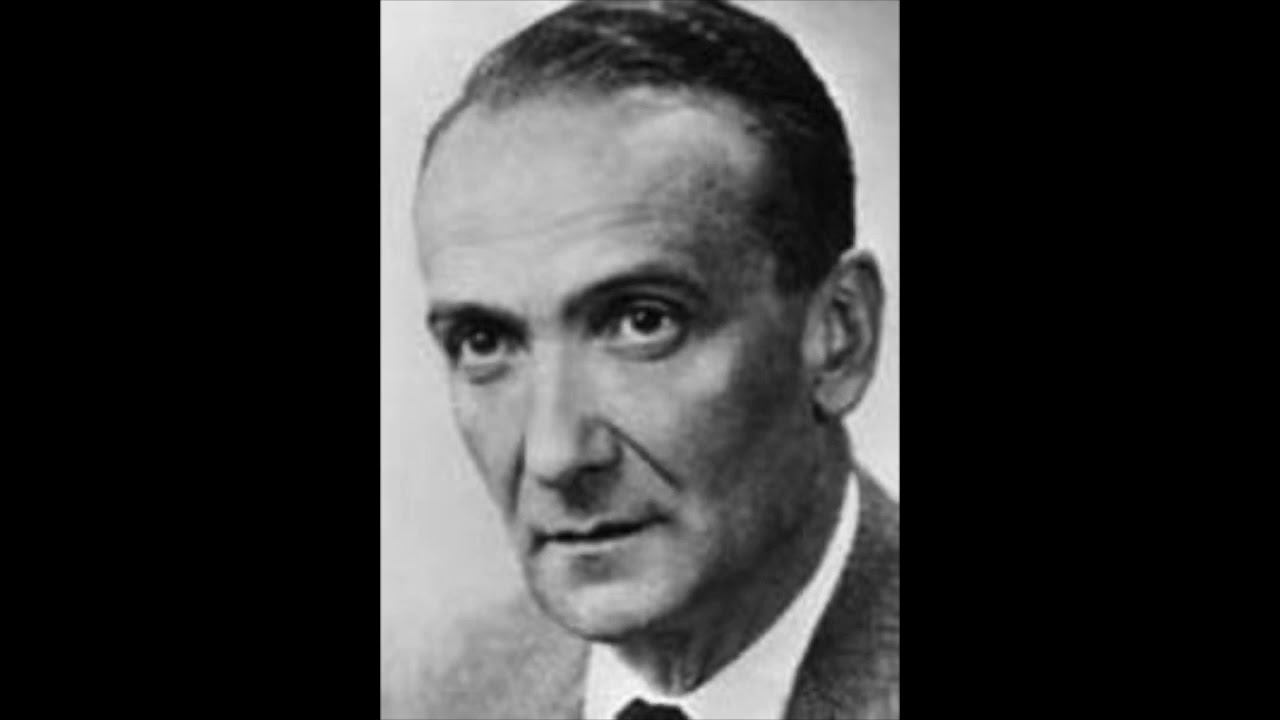
Hans Henkemans was a Dutch composer and pianist. While still at school he had piano and composition lessons from Sigtenhorst Meyer. Later he studied medicine at Utrecht University, at the same time continuing piano studies with van Renesse and composition with Pijper (1933--1938). His first recognition as a pianist and composer came during these university years, when he memorized and performed all of Debussy's solo piano music and gave the première of his own Concerto for piano and strings (1932). At the end of World War II his talents were noticed by van Beinum; beginning in December 1945 he played his Passacaglia and Gigue for piano and orchestra over 60 times, at home and on European tours, with the Concertgebouw Orchestra. He went on to become a leading piano soloist of the 1950s and 60s. Though his tastes were catholic, he was known especially for his interpretations of Debussy, Ravel and Mozart, and appeared seven times at the Salzburg Festival.
The four concertos which Henkemans wrote in the decade after 1945 displayed not only a soloist's familiarity with instruments but an ability to write music exhibiting both show and substance. The prizewinning Violin Concerto (1950) ensured him a prominent place among Dutch composers. For a time he taught composition and orchestration at the Amsterdam Musieklyceum and Groningen Conservatory, and was also a psychiatric consultant for an Amsterdam hospital. When in 1969 health forced his retirement from concert life (in 1940 he had lost one lung to tuberculosis), he continued composing and set up a psychiatric practice for musical and other artists. In 1981 he was named Doctor in de Medische Wetenschappen ('Doctor of Medicine').
A recurring feature in his instrumental music (Passacaglia and Gigue, Barcarola fantastica, Flute Concerto, Partita for orchestra) is a hybrid use of inherited forms and dance-types, often quite complex. While his earliest compositions, influenced by Pijper, display germ cells, octatonicism and polymetre, only the polymetre persists in his mature work. He developed a varied harmonic palette, based on the late work of Debussy, leading to a sometimes strikingly atonal musical language of his own. (His identity with Debussy is also demonstrated in idiomatic orchestrations of the latter's Préludes for piano.)
The Viola Concerto (1954) and Harp Concerto (1955) are distinctive additions to the repertory. The former allots contrasting material to the soloist and orchestra, while in the latter, amid beautiful orchestral colouration reminiscent of Debussy's Ibéria, the harp alternates between bravura display and an accompanying role. The strongly contrapuntal Piano Sonata (1958) is one of the major Dutch keyboard compositions of the 1950s. There is an unmistakable pathos or 'morbid beauty' (van Baaren) in these works, unique for Dutch music of this time, which affirms Henkemans's conviction that a musical composition must reflect its creator's emotional life.
With his definitive turn to psychiatry at the end of the 1960s came a heightened interest in vocal music. The cantata Bericht aan de levenden (1965) made him nationally renowned. Based on H.M. van Randwijk's verses from the walls of the war memorial at Bloemendaal, honouring the resistance fighters of World War II, it was played repeatedly during the national memorial day celebrations on 4 May. Texts from the distant past (e.g. in Villonnerie, Tre aspetti d'amore, Canzoni amorose) also inspired stunning settings in a symphonic context. In these years, reflecting his experiences as a psychiatrist, he wrote forcefully against most forms of experimental music, thus enraging the Dutch musical avant garde; yet certain of his own compositions, such as the Tre aspetti d'amore, were among the most advanced Dutch works of their day. His only opera, Winter Cruise (1977), was performed a dozen times by the Nederlandse Opera, but its musical virtues were undermined by a rather uneventful plot.
Повторяем попытку...

Доступные форматы для скачивания:
Скачать видео
-
Информация по загрузке:






![1960s Soul (1964) [Hidden Gems] Ray Charles & Sam Cooke Tribute – Sweet Emotion](https://imager.clipsaver.ru/-tpV80NFyvs/max.jpg)