How Animals Love
Автор: Vanderbilt University
Загружено: 2019-02-15
Просмотров: 31160
Описание:
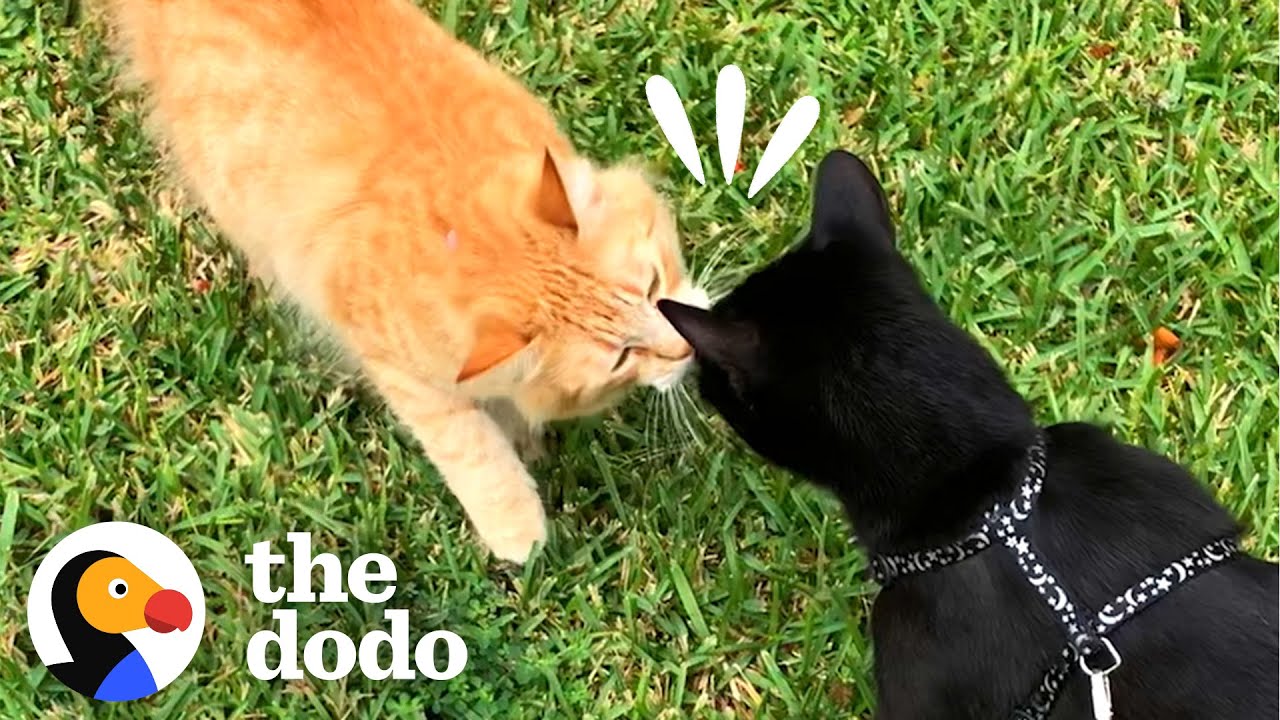
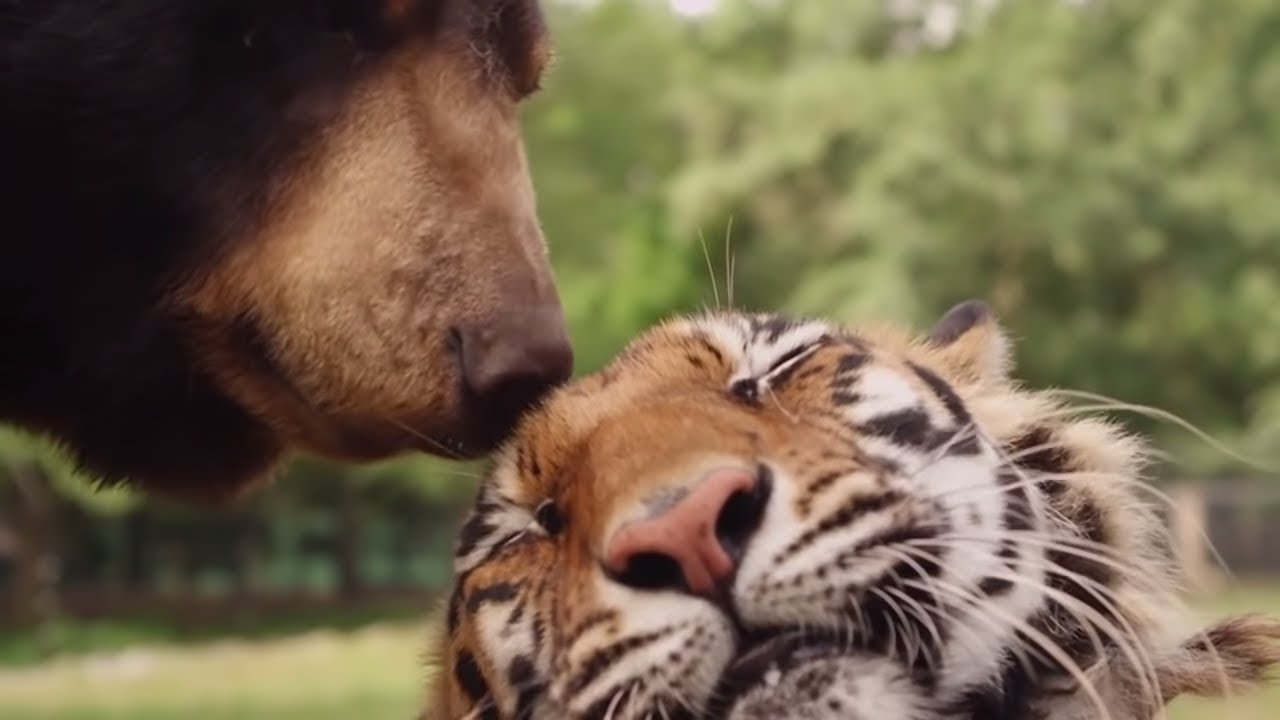
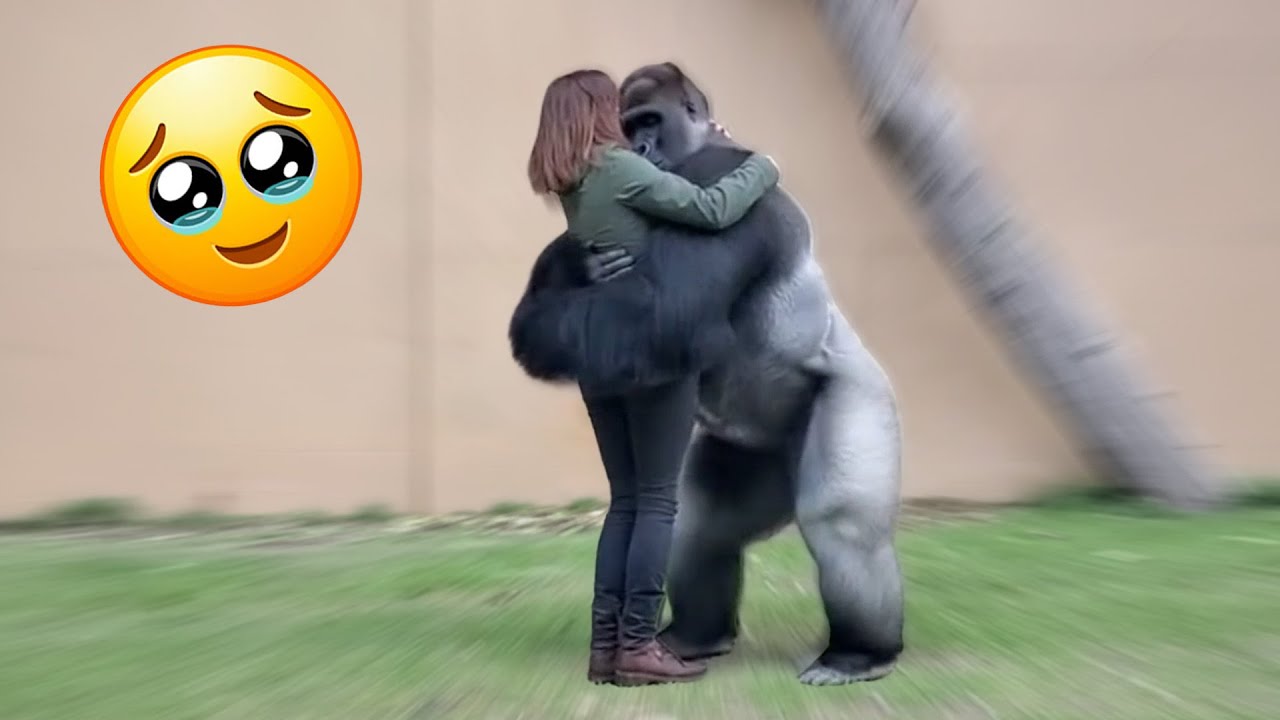
Humans just love seeing animals demonstrate love: cuddly chimps grooming each other, say, or penguin pairs carefully passing their egg in the driving snow. Viral videos of cows joining dog packs or cats and birds becoming friends crowd our social media feeds and leave viewers wanting more.
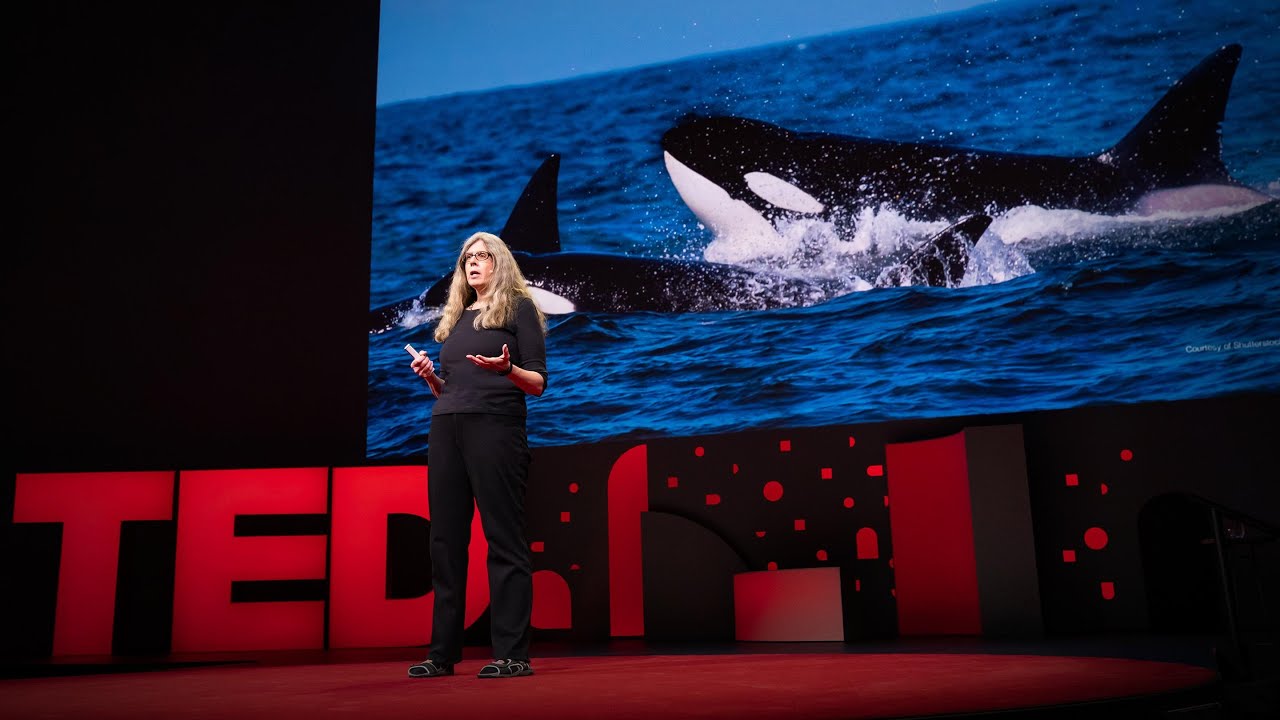
Those animal relationships are more complicated than we think, says Patrick Abbot, associate professor of biological sciences at Vanderbilt University, and one can’t always apply the human idea of love to them. It’s more likely they’re doing it to survive and reproduce.
But before labeling Abbot a Valentine’s Day naysayer, be assured he’s just the opposite. Even if animals have ulterior motives for teaming up, they teach humans a lot about love.
“The animal world teaches us again and again that falling in love is advantageous to humans,” he says, with a laugh. “And knowing why animals do these things makes something like Valentine’s Day richer because it makes me feel a part of this larger biological enterprise. Who can’t look at a couple of animals courting and not feel a kinship for what they’re doing, which is basically saying, ‘I like you. Let’s see where this leads.’”
Abbot teaches undergraduate- and graduate-level courses on observing animal behavior, which can serve students heading into any type of career since close observation is key to any career, he says.
What students learn in his course is that animals express behaviors that may look like love to us, but keeps them and their offspring alive and thriving. For instance, in penguins, the male keeps the egg and hatched chick warm and safe while the female leaves for weeks on end to feed, exchanging places when the female returns.
“That classic image of primates grooming each other is an example of how they strengthen a social bond for protection from predators or parasites,” Abbot said. “In some animals, you may even see one issuing a warning call, which seems like it’s demonstrating love for the group and putting itself in danger, but it also may be saying, ‘I’m the toughest or healthiest member here, and there are weaker ones nearby you can get.’
“There are lots of biological explanations for these kinds of social bonds, but they’re what we humans recognize as love.”
Abbot recently published an edited volume entitled Comparative Social Evolution, an update of and companion book to E.O. Wilson’s famous 1975 tome, Sociobiology. The book is available from Cambridge University Press.
Follow Vanderbilt on Twitter: / vanderbiltu , on Instagram: / vanderbiltu and on Facebook: / vanderbilt .
See all Vanderbilt social media at http://social.vanderbilt.edu.
Повторяем попытку...

Доступные форматы для скачивания:
Скачать видео
-
Информация по загрузке: