Family bonds survive India-Pakistan split
Автор: AP Archive
Загружено: 2017-08-16
Просмотров: 2210
Описание:
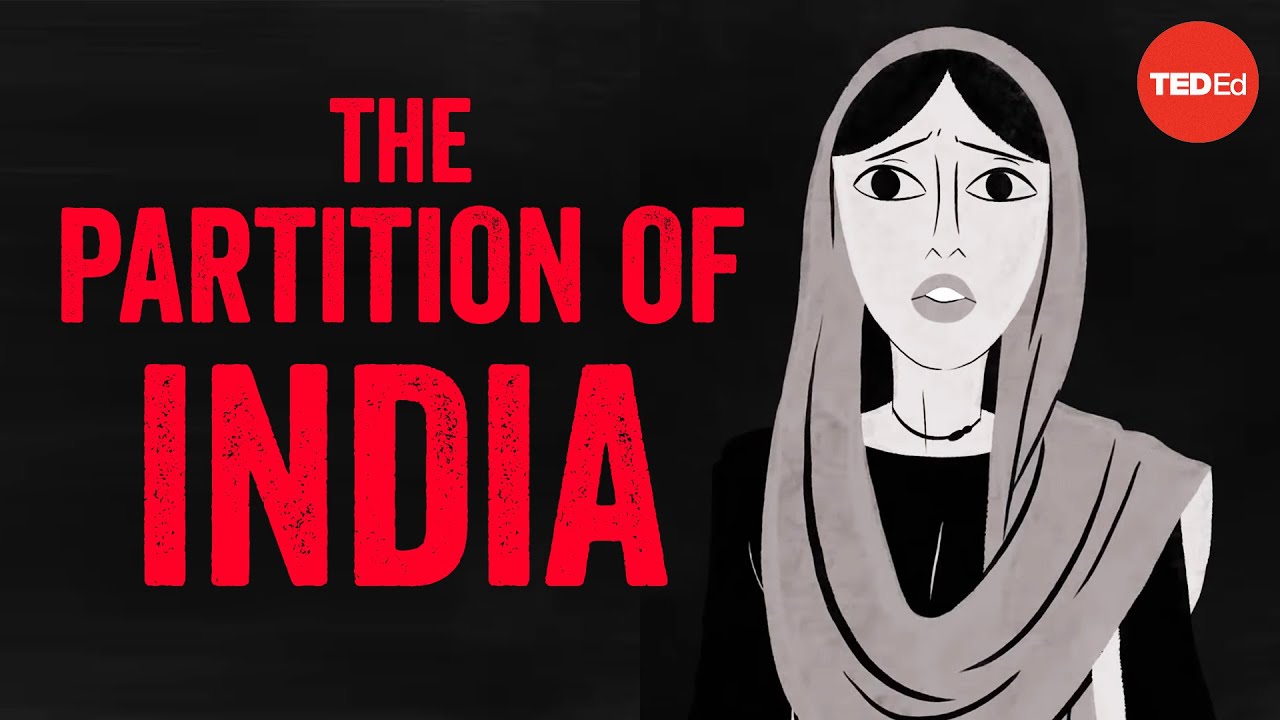
(11 Aug 2017) Seventy years after the partition of India and Pakistan, the family of Associated Press reporter Muneeza Naqvi remains torn in two - separated by what has become an impassable border.
A nearly insurmountable wall of mistrust stands between India and its neighbour and archrival Pakistan.
On both sides of this imaginary wall live hundreds of thousands of families like Naqvi's, described for visa purposes, as divided Muslim families.
When the British finally departed the Indian subcontinent in mid-August 1947, after nearly 200 years, they left it split in two.
On 14 August that year the Islamic state of Pakistan was born to provide, in theory at least, a home to the region's Muslims.
A day later, India awoke to freedom.
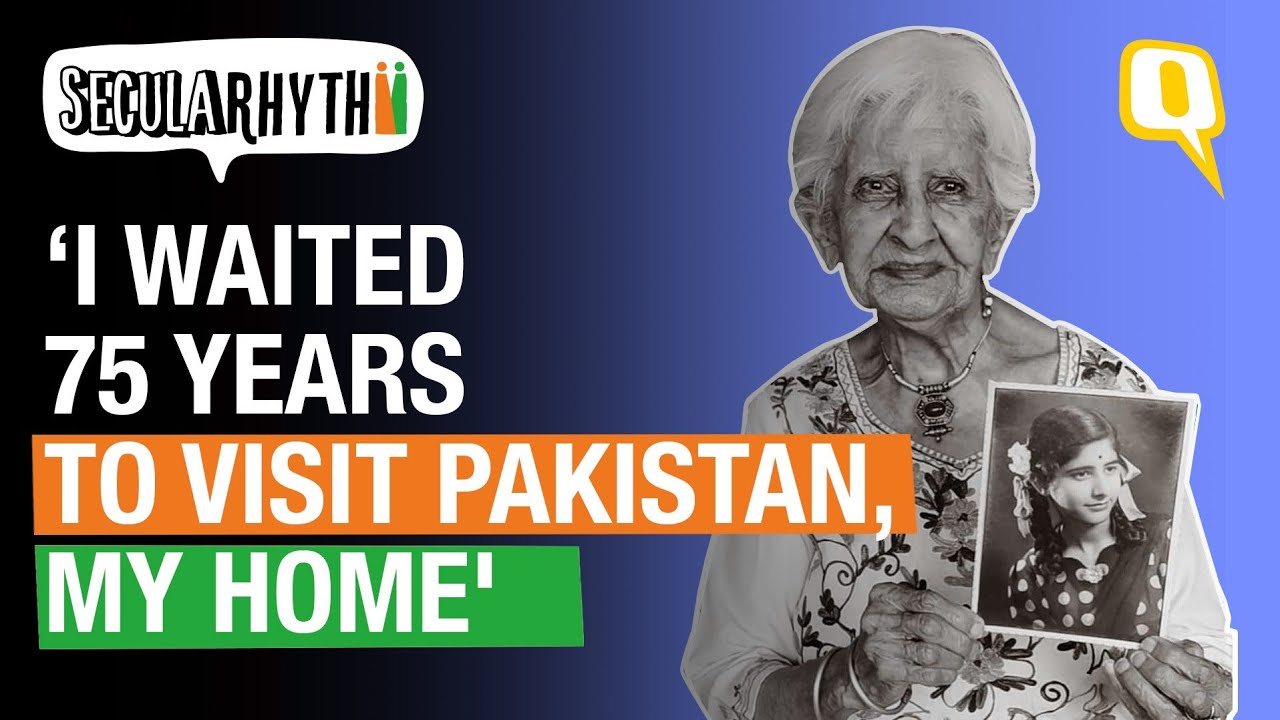
Naqvi's grandmother Fahmida Hasan Zaidi, aged 86, lives in New Delhi.
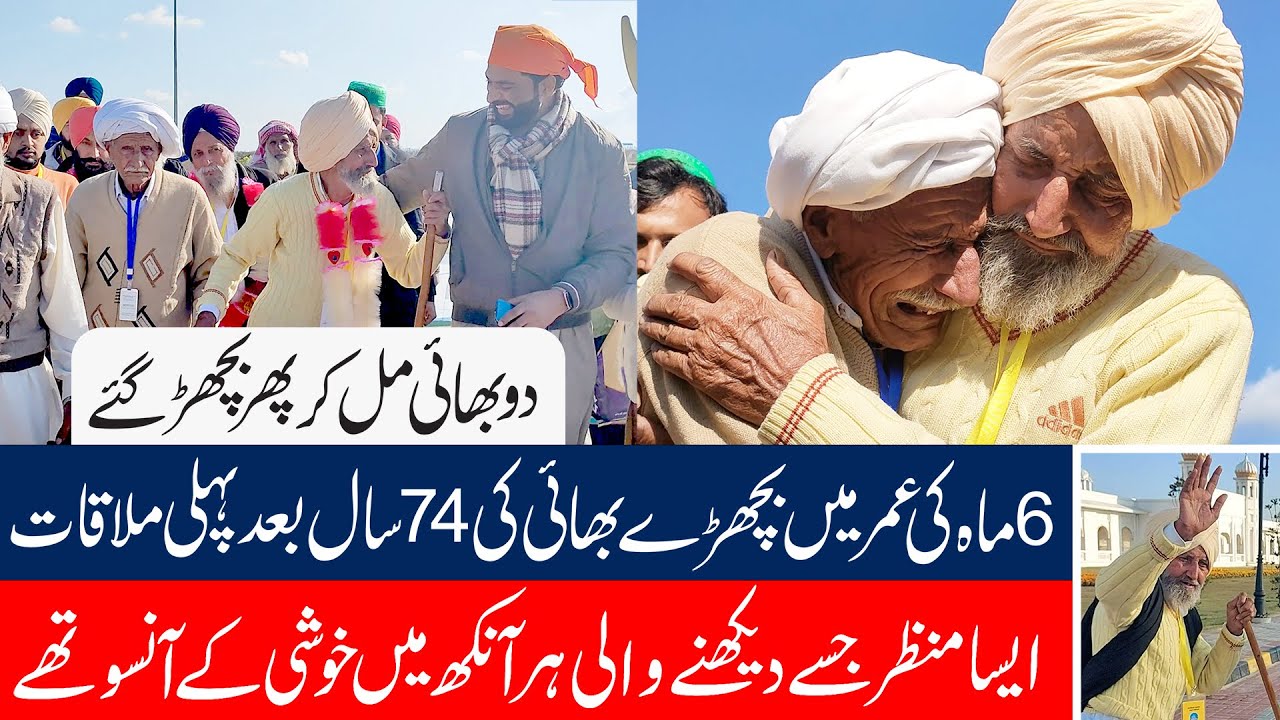
However her three sisters and four brothers live in cities across Pakistan.
Their adult relationships have been largely sustained by memories of their childhood in the north Indian state of Uttar Pradesh and too-brief visits made complicated by impossible visa rules.
"We are a divided family where my grandparents, my grandmother's siblings, all live in Pakistan now," Naqvi said.
Naqvi's family did not make those terrible journeys through the violence and bloodshed that followed Partition.
Her family's story is one of a gradual migration made ever more final as hostilities between India and Pakistan made border crossings increasingly hard.
Travel was at first relatively easy - that changed in 1971, when the South Asian rivals fought their third war in what was then East Pakistan, now Bangladesh.
For several years after that, all visits ceased.
Zaidi visited Pakistan for the first time with her father for a family wedding in 1970.
Her father had intended to return a few months later, but instead he died in a country that he had resisted traveling to for decades.
Zaidi could not return in time for his funeral or even the week after.
It was a full month before she made it back to Pakistan.
It would be almost eight years before she would see her sisters and mother again.
When her oldest daughter, Naqvi's mother, got married in the northern Indian city of Lucknow, no Pakistani relative could get a visa to come.
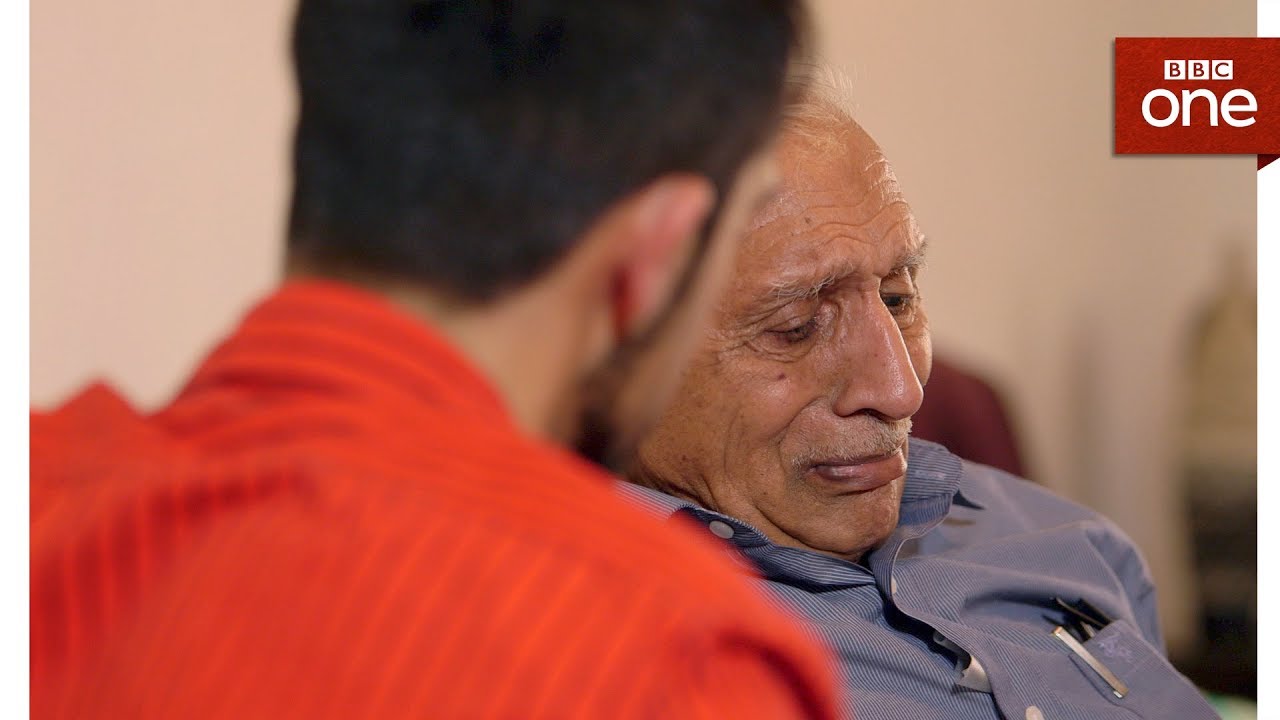
"The distance was very painful," Zaidi said.
The extreme diplomatic closures of the mid-'70s eventually eased, but travel never became as easy as it once was.
There are no tourist visas between the two countries.
With visas, divided families can visit each other's countries once a year for one month.
They can visit three cities, reporting your entry and exit each time to local police and they must visit them in the order listed on the visa application.
For Zaidi and her siblings, a generation raised on the idea that relationships could be nurtured for long periods on the simple sustenance of letters, physical distance has brought pain, but not an emotional distance.
She last saw her youngest sister six years ago at Naqvi's youngest brother's wedding in New Delhi.
But as a sense of shared family history fades, so do the bonds.
"Their next generation and the younger lot and their friends and the relationships they formed - they're clueless about us and we are clueless about them," Zaidi said when asked what made her saddest about the separation of her family.
Find out more about AP Archive: http://www.aparchive.com/HowWeWork
Twitter: / ap_archive
Facebook: / aparchives
Instagram: / apnews
You can license this story through AP Archive: http://www.aparchive.com/metadata/you...
Повторяем попытку...

Доступные форматы для скачивания:
Скачать видео
-
Информация по загрузке: