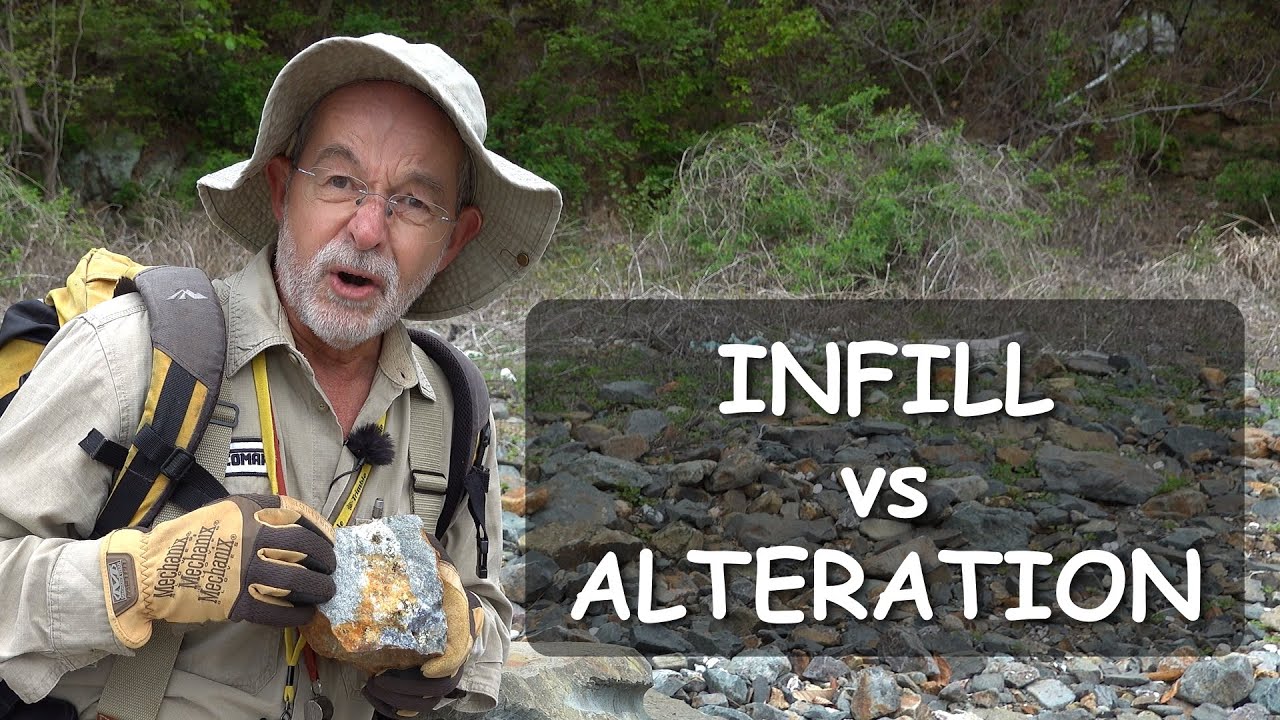
Hydrothermal Alterations (Conclusion) Gold Prospecting Volcanic Ground
Автор: Aurum Meum AI Academy
Загружено: 2025-06-27
Просмотров: 556
Описание:
Unlock the secrets of gold-hosting systems with our comprehensive guide on hydrothermal alteration zones! In this concluding module, we explore essential alteration types—propylitic, argillic, silicified, advanced argillic, and oxidized iron caps. Discover how these alterations serve as vital clues for prospectors seeking gold, and learn the importance of rock types and structural controls in this intricate process.
Join us as we reveal practical field strategies to identify and interpret these geological features, turning your next gold prospecting adventure into a successful venture.
Hydrothermal Alterations Module 5: “Decoding Hydrothermal Zones – A Prospector’s Guide”
Hydrothermal alteration zones form the core of almost every gold-bearing system on Earth. These zones are the result of intense heat and pressure interacting with groundwater or magmatic fluids, leaving behind distinct mineralogical changes in the rock. In this final module, we take everything we’ve covered—from argillic clay alteration to silicification and iron capping—and tie it together into a masterclass on reading alteration patterns to locate gold in the field.
Why Alteration Zones Matter
When prospecting for gold, understanding alteration zones is more effective than just looking for visible gold or quartz veins. Alteration zones are large, persistent, and chemically predictable—they act like road signs pointing you toward mineralized structures.
Each type of alteration tells a different story:
• Silicification signals deposition and fluid boiling—often near bonanza-grade veins.
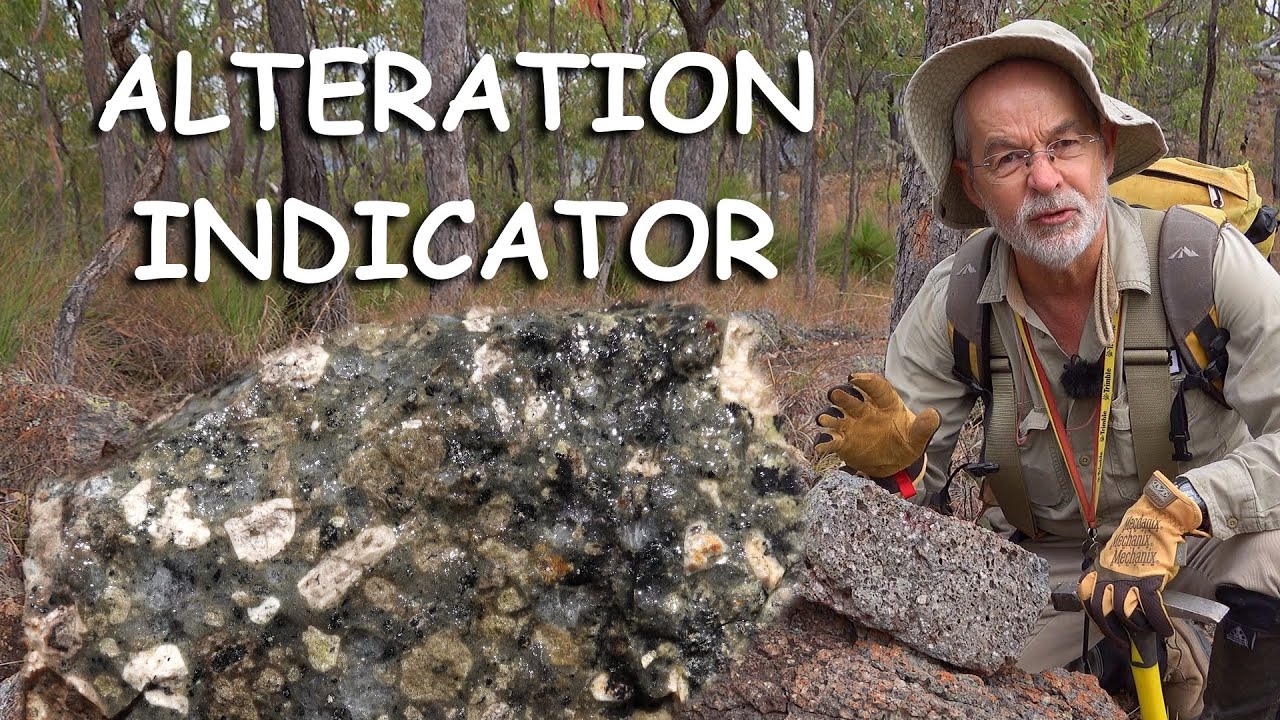
• Argillic alteration (clay formation) occurs above mineralized zones, acting as a soft halo or weathered cap.
• Advanced argillic zones, with minerals like alunite or pyrophyllite, often indicate high-sulfidation gold systems.
• Propylitic zones, while not gold-bearing themselves, serve as peripheral markers showing the fluid system’s extent.
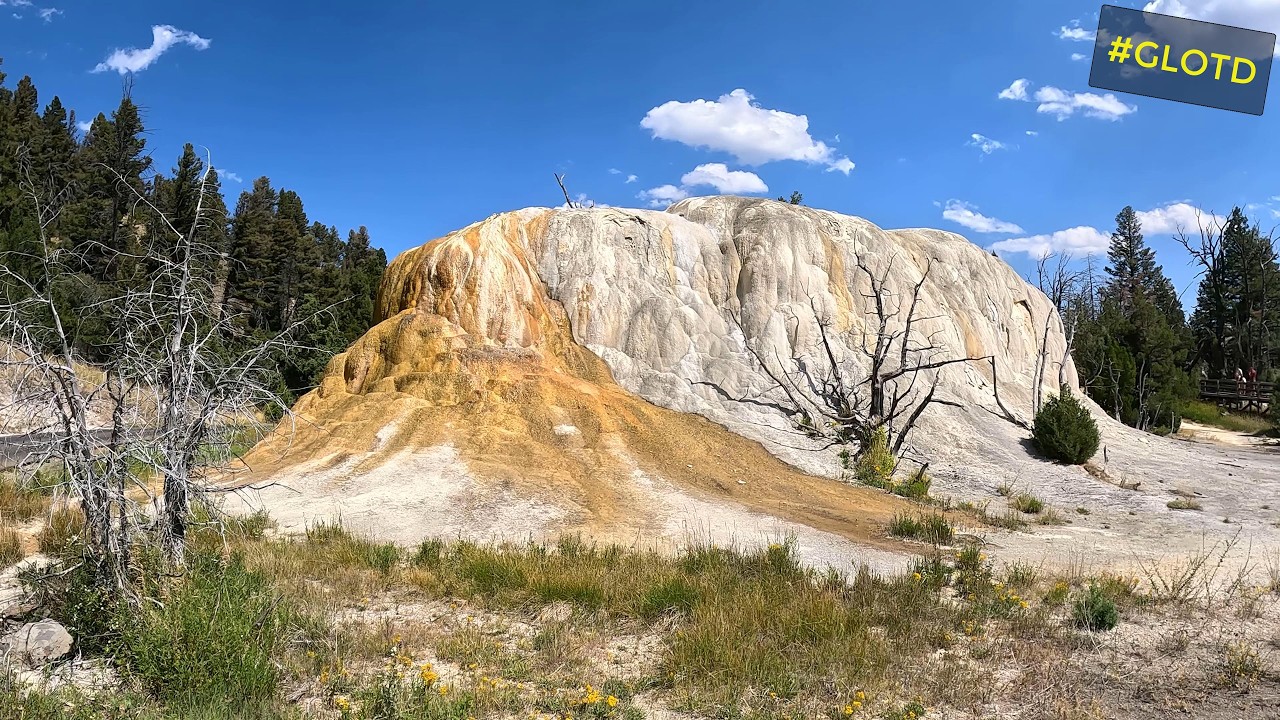
• Iron-rich gossans signal oxidized sulfides—excellent surface indicators of deeper ore.
These zones often appear in layers, from propylitic on the outside to silicified cores—mirroring how fluids deposited gold as they moved and cooled.
Rock Types and Structural Context
Different rock types host different alteration styles. For example:
• Volcanic rocks (rhyolite, andesite) show strong silicification and argillic caps.
• Carbonates may develop jasperoid or massive replacement zones.
• Greenstones and ultramafics may develop talc-silica zones, especially near fault-controlled pathways.
• Granites often display vein swarms and advanced argillic overprints at surface.
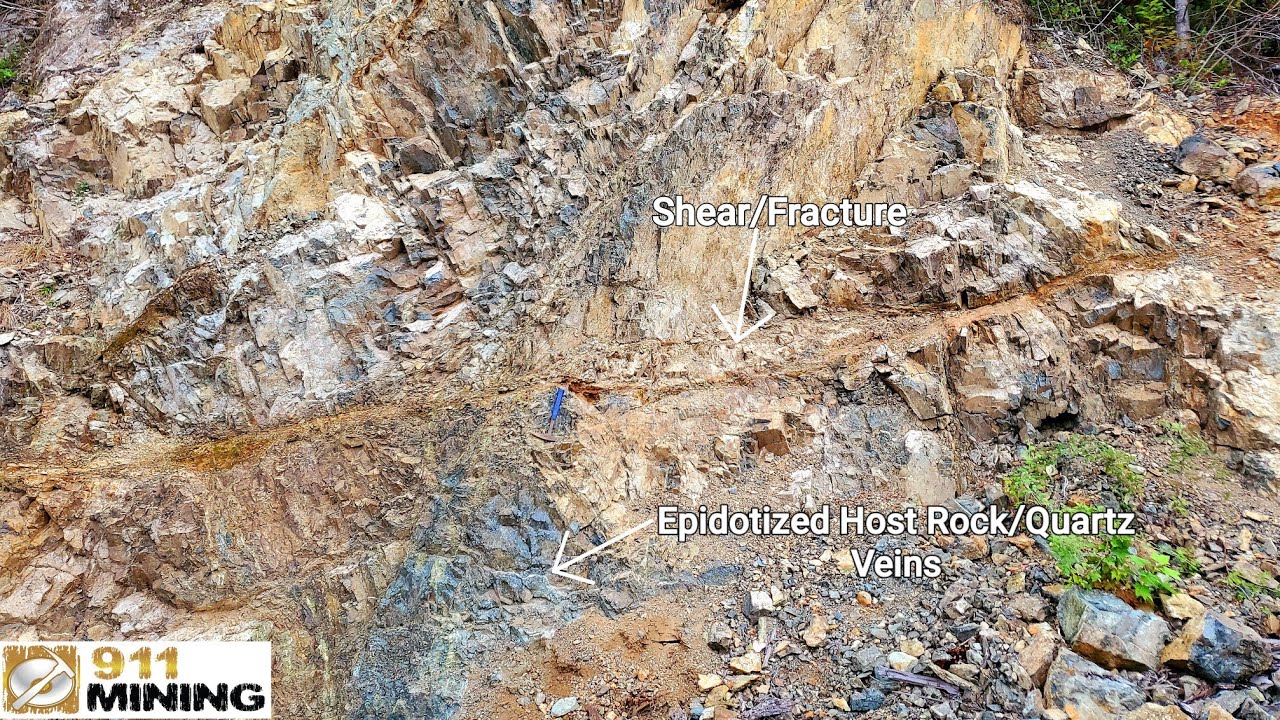
Structure controls everything. Faults, fractures, and breccia pipes create pathways for hydrothermal fluids. Gold tends to precipitate where permeability changes—such as flexures, fault junctions, or porosity loss zones—interact with favorable alteration halos.
Practical Application
Use alteration zones to build a working field model. If you find a soft clay zone with light bleaching, check below or downslope for silicification or iron staining. If a ridge shows hard white quartz veining surrounded by rusty halos, you’re likely near the core of a system.
This video provides field-tested insight into:
• Where to sample
• What to photograph and record
• Which zones indicate proximity to ore
• How to use AI gold maps to validate field observations
⸻
🔍 Claim Your Free AI Gold Map of Arizona:
👉 https://aurummeum.com/member-map-drop
Our June giveaway includes fault data, alteration layers, quartz overlays, and more.
📌 Perfect for use with this training series on hydrothermal alterations.
#ProspectingTips #HydrothermalAlteration #GoldExploration #Silicification #ClayZones
Don’t forget to like and share this video if you found it helpful!
#GoldExploration #HydrothermalAlteration #ProspectingMasterclass #QuartzVeins #Silicification #aigoldmap
Повторяем попытку...

Доступные форматы для скачивания:
Скачать видео
-
Информация по загрузке: