The Characteristics, Habitat, and Behavior of the Mongoose Animals
Автор: travelwithtado
Загружено: 2022-11-10
Просмотров: 957
Описание:
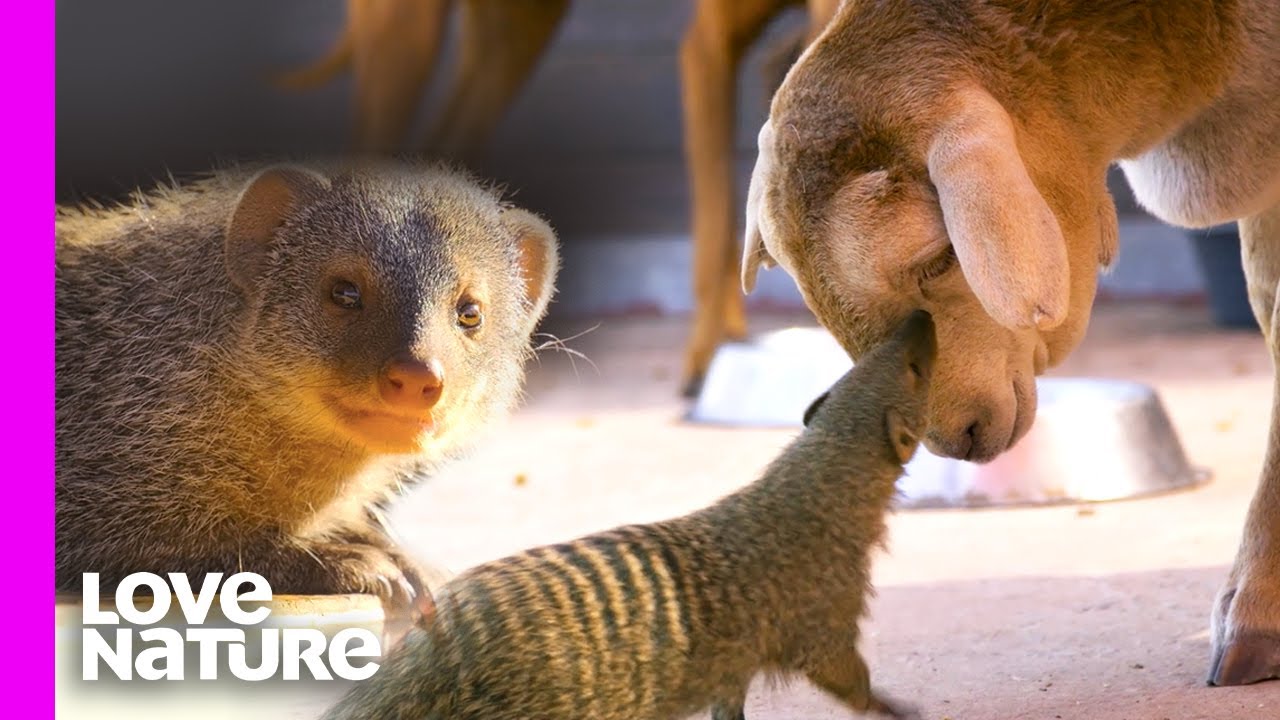
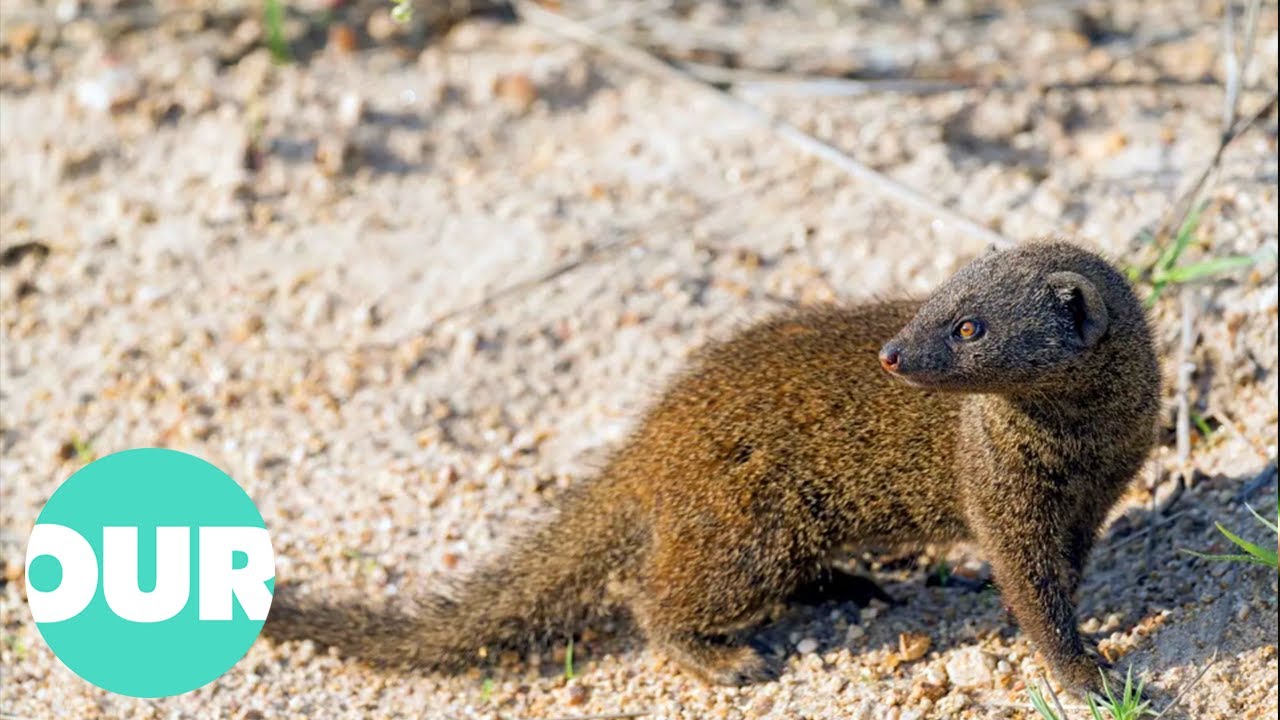
There are 34 existing mongoose species that can be found in Africa, but some also live in Asia and Europe. These small- to medium-size mammals ranging in length from 9 to 30 inches—all belong to the taxonomic family Hempstead.
While their behavior varies among species, they do share some traits. Hunting and Feeding While they might look cute and cuddly, mongooses are actually fierce predators.
Although they're famous for hunting venomous snakes—which they're able to do quite successfully, as they're quick and agile—their diet has a great deal of variety.
They also hunt for a range of other reptiles, as well as small mammals, birds, and even fish and crustaceans.
Certain species are omnivorous and also eat some vegetable matter, such as roots, fruits and tubers.
Social Behaviors
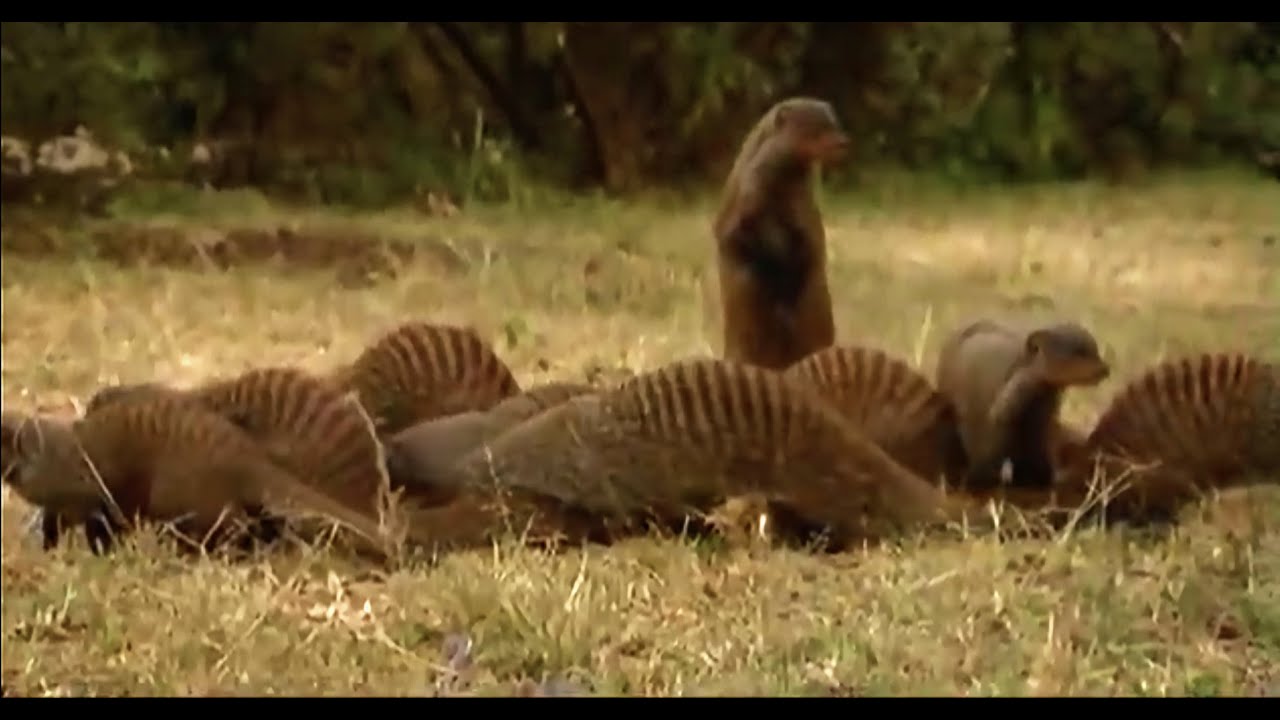
While some mongoose species are solitary, most live in colonies. The average colony is made up of roughly 20 individuals, but some contain up to 50. Those who live in groups will take turns being sentinels. The sentinels stand on their hind legs on higher ground, looking all around them for danger. If they spot a potential threat, they'll let out an alarm call that lets the rest of the colony members know they should retreat to safety.
Making Homes Most types of mongooses are terrestrial—living on the ground—but some are semiarboreal or semiaquatic, spending some of their time in the trees or in the water, respectively. Even the latter kinds of species nest and seek shelter in burrows or tunnels. While some species dig complex tunnel networks, the majority simply find burrows that have been made and abandoned by other creatures. Those who build their own tunnels will dig complex networks of burrows with several exits, making it easier for them to escape danger.
Mating and Reproduction
Mongooses have no set breeding season; instead, they can mate at any time of year as long as they're healthy and well nourished. Those who are ready to mate will make a sound known as "giggling" to alert members of the opposite sex. Some species will also use scent marking around their territory to signal their readiness to reproduce. Once they've found a mate, they'll often breed with this same partner for years to come. After mating, the females carry their young for a number of weeks—the exact gestation period varies among species—before giving birth to their litter in a den or burrow.
You can possibly witness and enjoy this animal behavior on your dream safari to one of our bespoke destinations.
If you are interesting to more information or enquiries on anything about how to start planning your trip feel free to contact us.
We can work your through the process and make sure you get exactly what you prefer.
For Bookings and Enquiry:
Call: +255 787 100 029, +255 745 100 029
Email: [email protected]
For more Fascinating stories about African destinations visit our Blog https://tadotravel.com/our-blog/
#beautiful #bgmi #couplegoals #honeymooners #honeymooners #livestream #live #soccer #school #safarilife #memes #memes #love #football #foodlover #tanzania #couplegoals #lifestyle #footballnews #tiktok
Повторяем попытку...

Доступные форматы для скачивания:
Скачать видео
-
Информация по загрузке: