Mental load & Motherhood Overload + Cognitive Capacity & Teaching Healthy Habits For Kids
Автор: Lily b Coco
Загружено: 2025-02-08
Просмотров: 1207
Описание:
Thanks For Watching!
https://www.lilybcoco.com
Show Notes:
1. Learning is a Process
• Patience is Key: Learning is about not knowing something yet. Both kids and adultsr can find this frustrating, but that’s part of the process. Mastery comes through repeated attempts and practice.
• The Learning Cycle: Whether we’re kids or parents, learning involves trying, analyzing what worked, adjusting, and trying again until the skill becomes a habit.
• Moms are Learners Too: Motherhood is a skill learned through experience. It’s about adapting, refining, and practicing until our responses become automatic, just as kids do when learning something new.
2. The Brain as a Basket
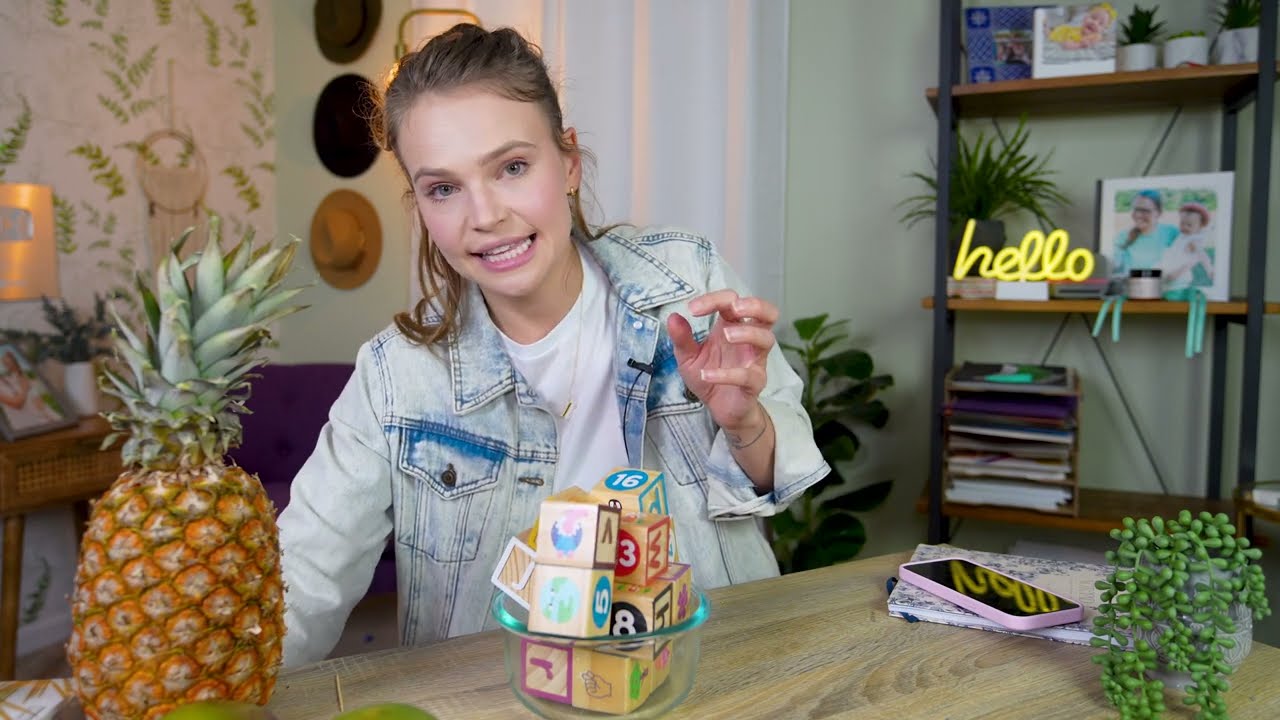
• Mental Load Explained: Imagine your brain as a basket. Each task or thought adds a block to the basket. When the basket gets too full, there’s no room left for patience, empathy, or even rational thinking.
• Cognitive Overload: Both moms and kids experience cognitive overload when too many “blocks” pile up. For kids, learning a new skill can overwhelm their mental capacity, just as managing household responsibilities can overwhelm a parent.
• Overflow and Emotion: Overflowing baskets lead to frustration, impatience, and even anger. It’s not “just one block”—it’s the block that tips the balance.
3. Teaching Through Practice
• Step-by-Step Instructions: Kids (and adults) can’t succeed at something we haven’t clearly taught them. Imagine Gordon Ramsay asking you to cook a 5-star dish without showing you how or giving you time to practice—you’d fail, right? The same applies to kids.
• Practice Makes Habit: Procedural skills (like tying shoes, using manners, or sharing) need practice to become habits. Kids learn best when given the time and space to try, fail, and try again. Snow mountain path example.
• Learning Through Play: Play is a child’s language. By incorporating lessons into play—like pretending to visit a restaurant or practicing problem-solving in a game—kids can absorb and practice skills in a way that feels natural and fun.
4. Using Analogies to Aid Learning
• Connecting to What We Know: Analogies help kids and adults learn by connecting new information to things they already understand. For example, explaining the brain as a basket filled with blocks helps visualize mental load.
• Learning Through Repetition and Pretend Play: Just like adults need hands-on experience to learn a new tool, kids learn faster through pretend play because it mimics real-world practice.
5. Emotional Regulation Requires Teaching
• Model and Teach: We can’t expect kids to regulate their emotions or make good decisions if we haven’t taught them how. Just like any skill, emotional regulation requires guidance and practice.
• Space for Mistakes: Learning is messy. It’s okay for kids to make mistakes as they navigate big emotions. Use moments of frustration as opportunities to guide them rather than punish them.
• Play as Practice for Life Skills: Sharing, taking turns, problem-solving, and decision-making can all be taught through play. When we speak in a child’s “language” of play, they absorb these lessons faster.
6. How We Can Support Learning
• Clear Instructions: Break tasks into simple steps. Avoid overwhelming kids with too much at once—this reduces cognitive overload.
• Patience and Empathy: Recognize when your child’s “basket” is full. They may struggle with patience or manners not because they don’t want to but because they’re overwhelmed.
• Incorporate Play: Use games, role-play, and stories to teach practical skills like manners, accountability, and decision-making.
• Practice Together: Whether it’s emotions, life skills, or academics, children need repetition and consistency to build habits. Practice alongside them to reinforce learning.
Final Thoughts: Learning Together
• Both kids and moms are on a journey of learning. By understanding how our brains work and making space for trial and error, we can create a positive environment for growth. Teaching with patience, clear steps, and playful practice helps build confidence in both kids and parents, turning new skills into lifelong habits.
Повторяем попытку...
Доступные форматы для скачивания:
Скачать видео
-
Информация по загрузке: