They Built Everything, Then Disappeared....
Автор: Inveniam Viam
Загружено: 2026-03-14
Просмотров: 366
Описание:
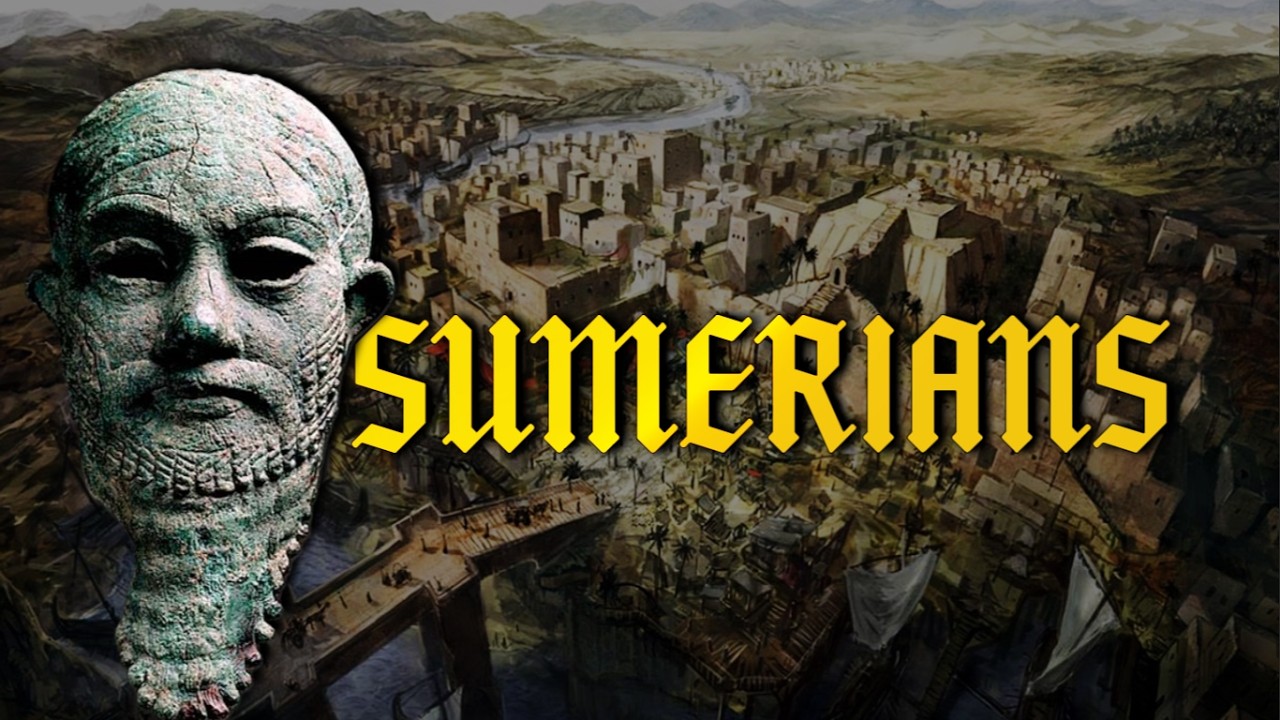
The Sumerians were one of the earliest known civilizations in human history, emerging in the fertile river plains of southern Mesopotamia more than five thousand years ago. In a landscape shaped by the Tigris and Euphrates rivers, they built some of the first true cities in the world and laid many of the foundations of organized civilization. This documentary explores the full story of the Sumerians — their origins, their achievements, their struggles for power, and the eventual fall of their last kingdom.
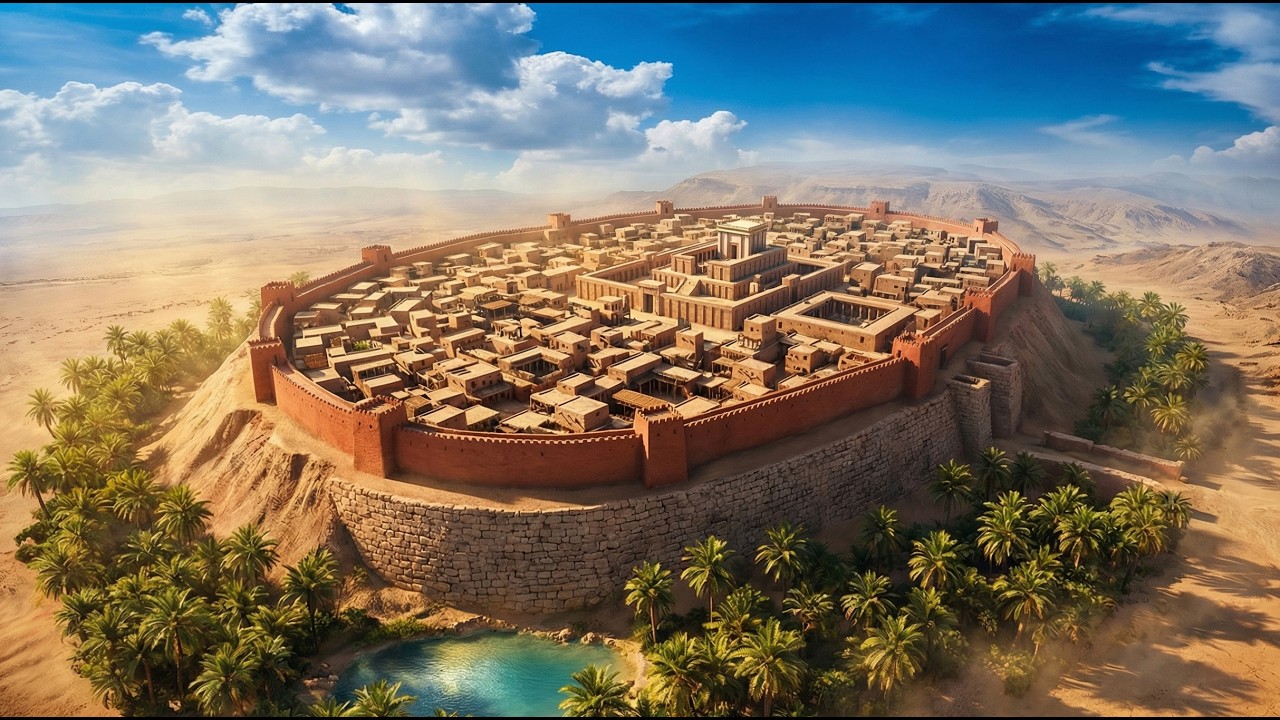
The story begins with the early city-states of southern Mesopotamia. Cities such as Uruk, Ur, Lagash, and Eridu developed complex urban societies supported by irrigation agriculture and long-distance trade. These cities were not united under a single state but functioned as independent political centers ruled by kings and supported by powerful temples. Competition between them shaped much of early Sumerian history, producing alliances, rivalries, and wars that constantly shifted the balance of power across the region.
One of the most important developments of Sumerian civilization was the invention of writing. Around the late fourth millennium BCE, scribes in the city of Uruk began recording information on clay tablets using a system that would later be known as cuneiform. What began as a method for recording goods and economic transactions gradually evolved into a full writing system capable of preserving laws, literature, science, and historical records. This innovation allowed knowledge to survive beyond a single generation and transformed the way societies could organize themselves.
Sumerian achievements extended far beyond writing. They developed advanced systems of mathematics, using a base-60 numerical system that still influences how we measure time and angles today. Their engineers designed irrigation networks that allowed large populations to survive in a challenging environment where agriculture depended on careful water management. Monumental temple structures known as ziggurats dominated the skylines of their cities, reflecting both religious devotion and political authority.
For centuries, power in Sumer remained divided among rival city-states. This political structure changed dramatically in the twenty-fourth century BCE with the rise of Sargon of Akkad. Sargon defeated the powerful Sumerian ruler Lugal-zagesi and created a new political system that united much of Mesopotamia under a single imperial authority. His empire stretched beyond the traditional Sumerian lands and connected distant regions through trade and military control. Although Sumerian culture continued to flourish, the political independence of the cities was largely replaced by imperial rule.
Under kings such as Ur-Nammu and his successor Shulgi, the kingdom of Ur rebuilt irrigation systems, constructed major architectural projects, and enforced one of the earliest known legal codes. For nearly a century, the state centered in Ur dominated southern Mesopotamia and represented the final phase of Sumerian political power.
However, the stability of this kingdom gradually eroded. New populations known as the Amorites were moving into Mesopotamia from the west, while eastern regions faced pressure from the powerful kingdom of Elam. Maintaining the large administrative structure of the Ur dynasty became increasingly difficult as resources were strained and cities began to assert independence once again.
Around 2004 BCE, Elamite forces invaded southern Mesopotamia and captured the city of Ur. The last king of the dynasty, Ibbi-Sin, was taken into captivity, and the political system that had sustained the Sumerian state collapsed. With the fall of Ur, the Sumerians lost their final independent kingdom.
The story of Sumer is therefore not simply the history of a single people who rose and fell in southern Mesopotamia. It is the story of how some of the earliest foundations of human civilization were built — foundations that continued to support the growth of societies long after the Sumerian kings themselves had disappeared.
#history #sumer #mesopotamia
Повторяем попытку...
Доступные форматы для скачивания:
Скачать видео
-
Информация по загрузке: