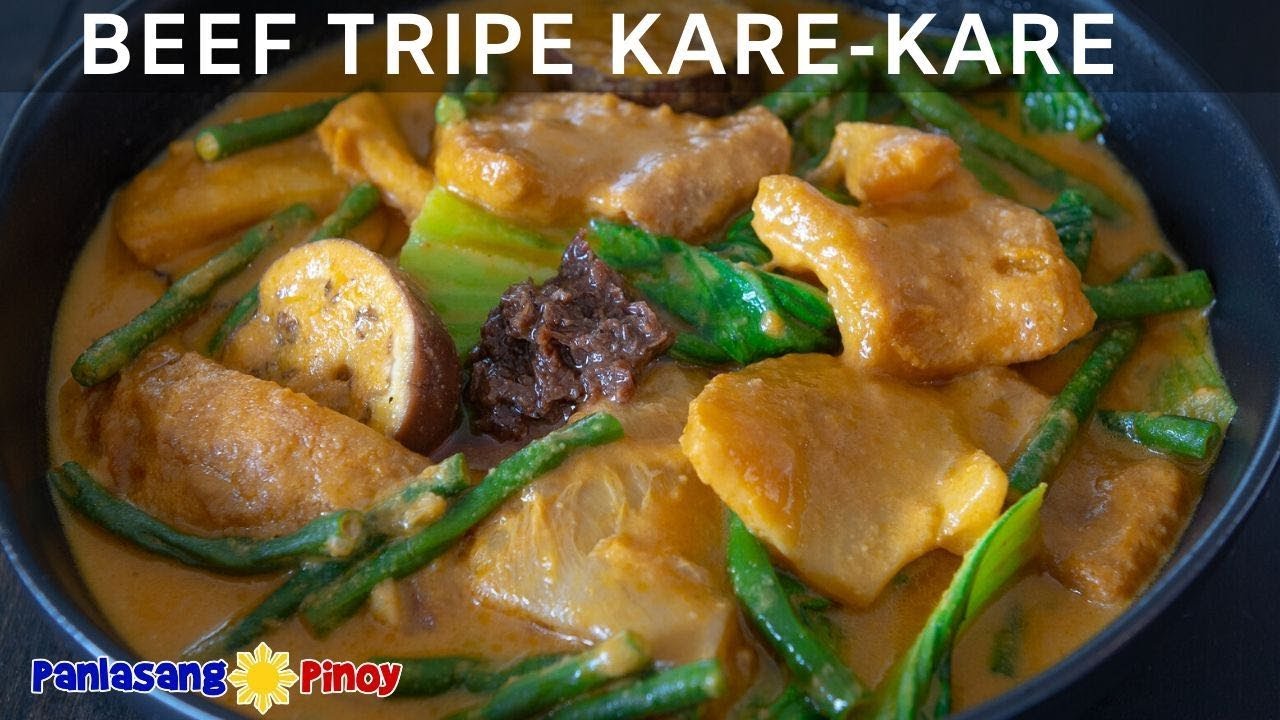
Mama Sita's Super Easy Kare Kare Recipe | Vegetables in Peanut Sauce
Автор: House of Soffice
Загружено: 2020-09-16
Просмотров: 2074
Описание:
Mama Sita's Kare Kare Mix | Vegetable Peanut Stew
Here is a very easy to prepare recipe using Mama Sita's Kare Kare Mix. Follow the procedure carefully and you will have a very healthy and delicious meal in no time. Serve with rice.
Here are the items I used in this video:
Mama Sita's Kare kare Mix https://amzn.to/3anQeSG
Stainless Pot https://amzn.to/2Mp7pv2
Portable induction Cooker https://amzn.to/2NYcivy
Non stick Granite Pan https://amzn.to/3tdrdlP
As an Amazon Associate I earn a very little amount from qualifying purchases.
Ingredients:
1 packet of Mama Sita's Kare Kare Mix dissolved in 1/2 cup water
6 pieces of string beans
1 medium eggplant cut an inch think diagonally
1 cup chopped cabbage
1 cup bok choy stem separated from the leaves
3 cloves garlic chopped
1 medium onion chopped
salt to taste
1 cup water
oil
this is not a paid advert
#karekaremix #vegetablekarekare
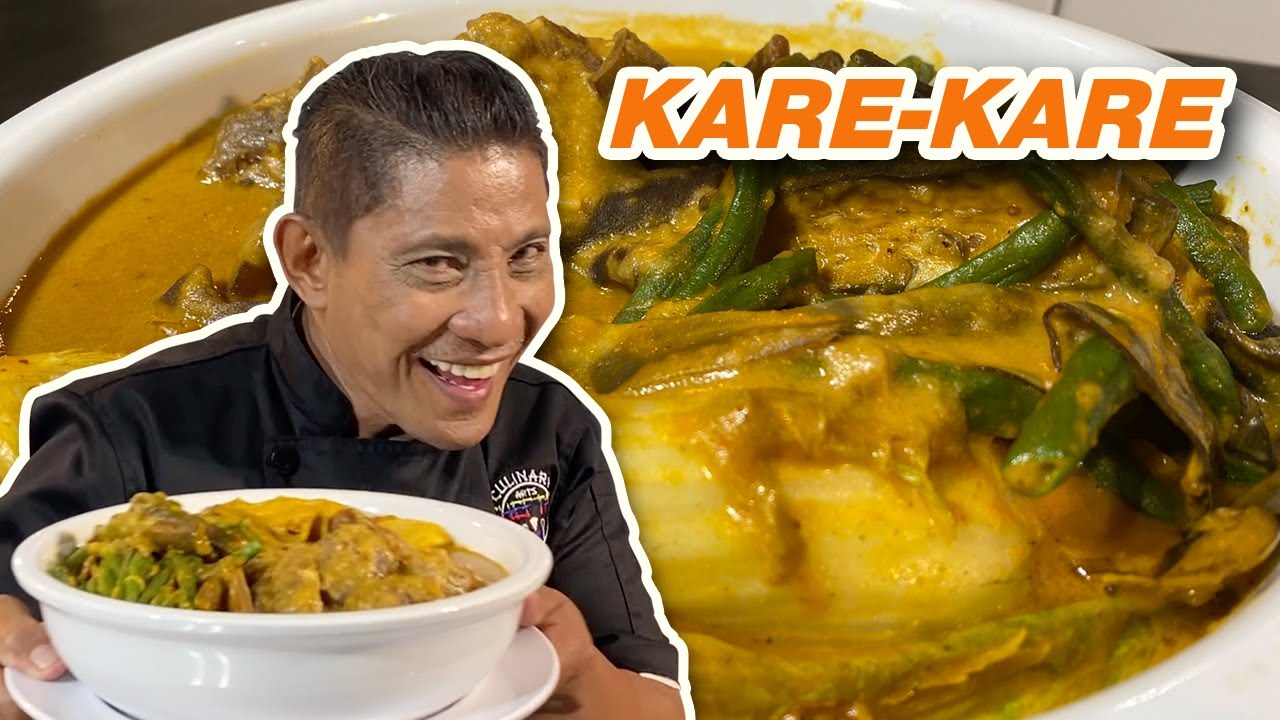
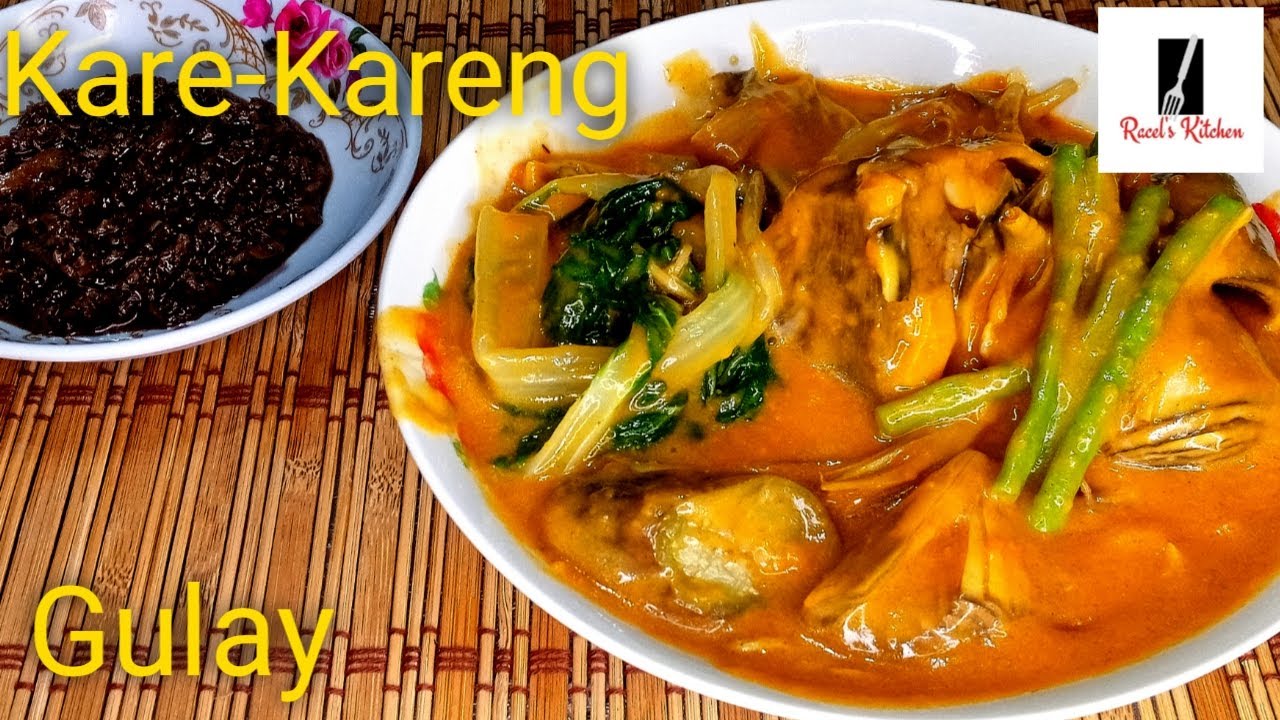
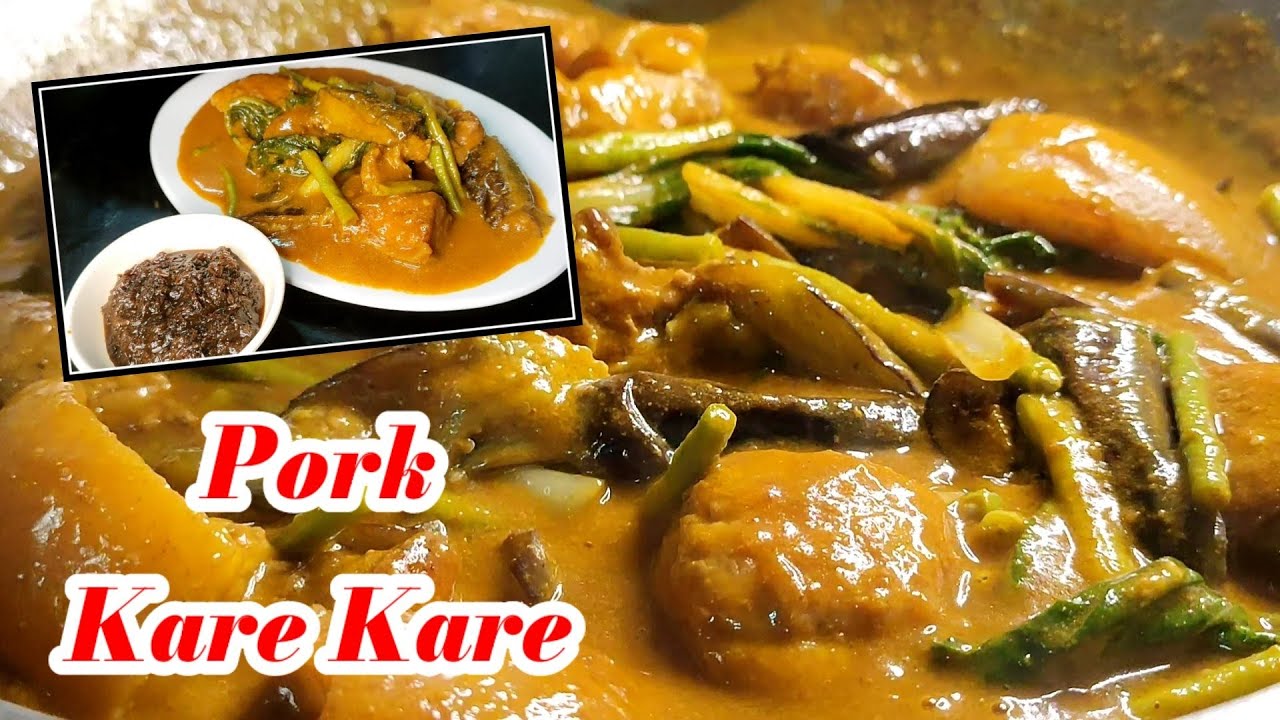
Kare-kare is a Philippine stew complemented with a thick savory peanut sauce. It is made from a variation base of stewed oxtail, pork hocks, calves feet, pig feet, beef stew meat, and occasionally offal or tripe. Kare-kare can also be made with seafood (prawns, squid, and mussels) or vegetables (sometimes exclusively vegetables, becoming Kare-kareng gulay or Guleng Kare-kare in kampangan). Vegetables, which include eggplant, Chinese cabbage, or other greens, daikon, green beans, okra, and asparagus beans are added—usually equaling or exceeding the amount of meat. The stew is flavored with ground roasted peanuts or peanut butter, onions, and garlic. It is colored with annatto and can be thickened with toasted or plain ground rice.
Condiments and other flavorings are usually added. It is often eaten with bagoong (shrimp paste), sometimes spiced with chili, bagoong guisado (spiced and sautéed shrimp paste), and sprinkled with calamansi juice. Other seasonings are added at the table. Variants may include goat meat or (rarely) chicken.
Kare-kare's storied history as a Filipino food goes back hundreds of years. There are three stories as to the origins of kare-kare. The first one is that it came from Pampanga (the province which became known all over the country as the "culinary capital of the Philippines"). The Kapampangan people often have a reputation for cooking to their hearts’ content and coming up with deliciously rich fare. The second comes from the regal dishes of the Moro elite who settled in Manila before the Spanish arrival (in Sulu and Tawi-Tawi, kare-kare remains a popular dish). The third story is from Sepoy conscripts from Southern India that settled in Philippines during the British occupation of Manila. Homesick, they improvised their own cuisine with available materials. They called it kari-kaari, curry, and now, kare-kare. Its name derived from the word "kari" from the word "curry". Kare-kare has a similar flavor to satay because of the peanuts in the sauce.
Source: Wikipedia
Повторяем попытку...

Доступные форматы для скачивания:
Скачать видео
-
Информация по загрузке: