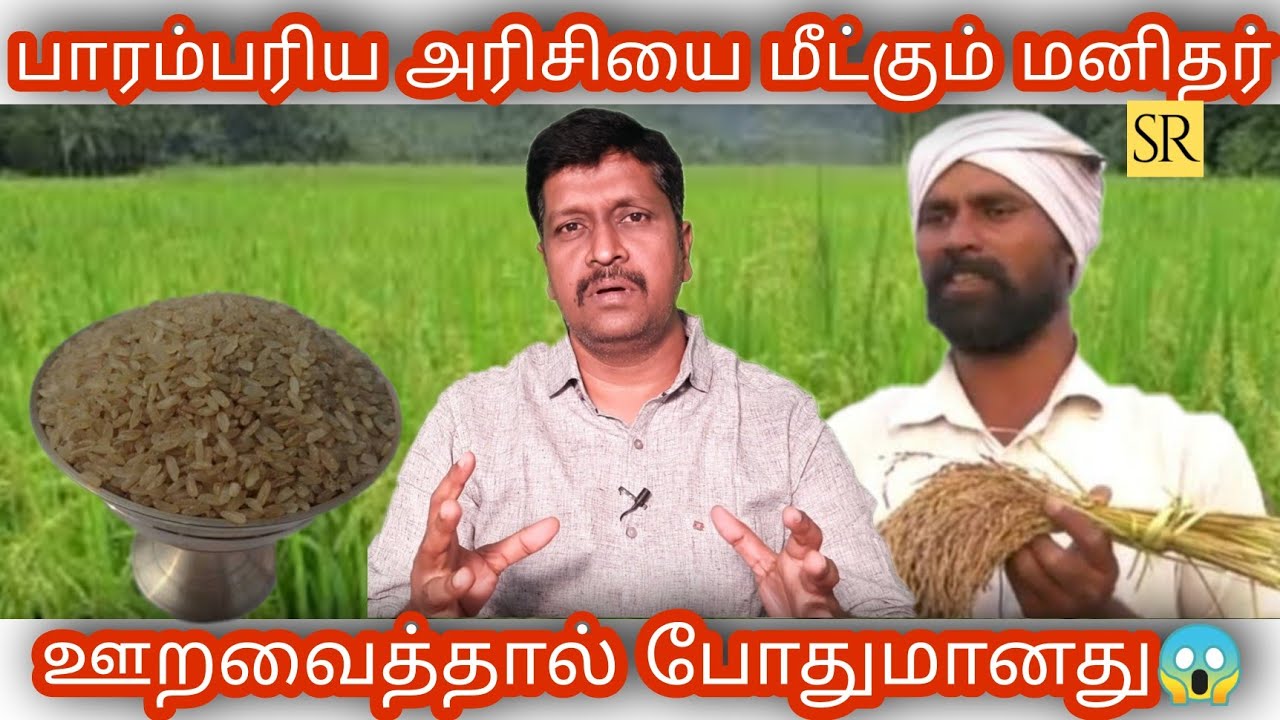
Magic Rice No Need to cook I Boka Saul I Telangana Srikanth I Ravikumar I SR I Tamil
Автор: RAVIKUMAR SOMU
Загружено: 2021-01-21
Просмотров: 2369
Описание:
This Video is explaining about Boka saul rice
special on this rice is No Need To Cook
In parts of lower Assam, especially during the ‘xaali’ season (the hottest, most strenuous period of paddy farming that starts in June and ends in December), farmers subsist, almost entirely, on a specific kind of indigenous rice: boka saul, or ‘mud rice’. Those who know about this special variety of “soft” rice, swear by it. And those who do not — well, the geographical indication (GI) tag, which has just been bestowed upon it by the Government of India’ Intellectual Property India (IPI) body, should do the job.
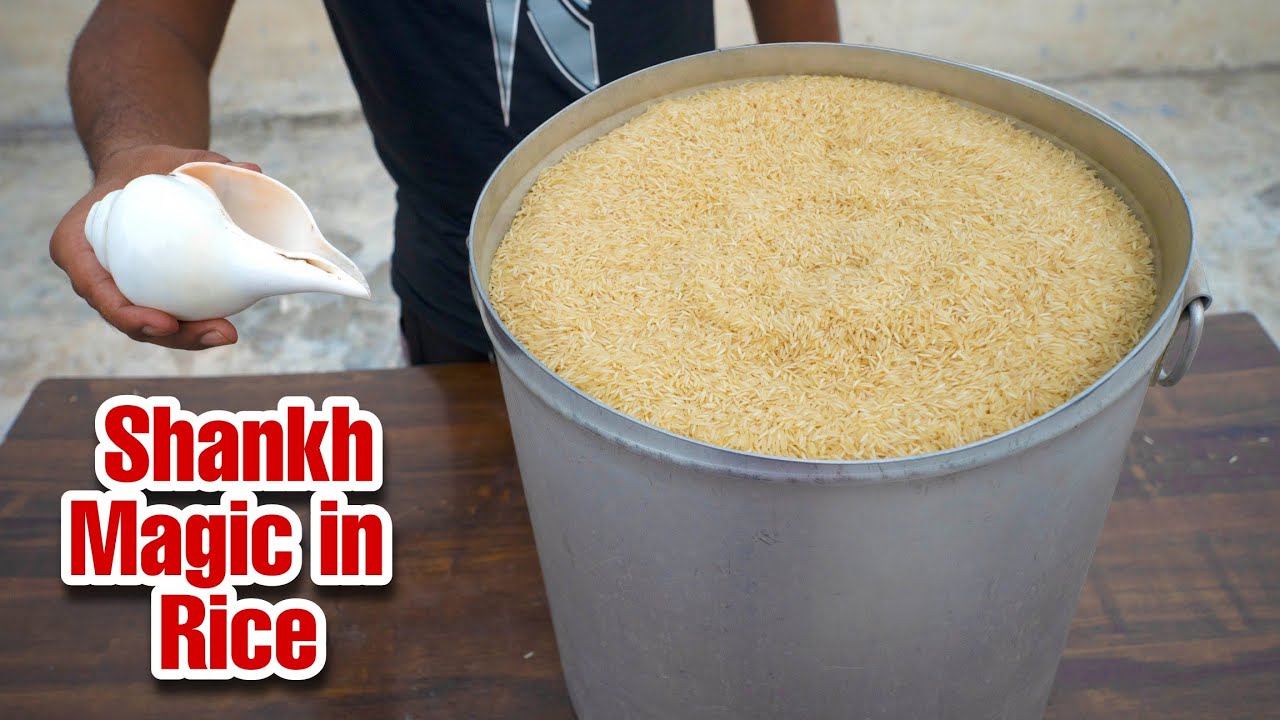
Boka saul (oryza sativa) is a paddy variety grown in parts of lower Assam — Nalbari, Barpeta, Goalpara, Kamrup, Darrang, Dhubri, Chirang, Bongaiagoan, Kokrajhar, Baksa etc. Back in the 17th century, it was the fuel for the Ahom soliders fighting the Mughal army. Today, it’s fuel for the hundreds of farmers who toil in the fields of Assam everyday, for whom it’s become a staple. The urban populace hasn’t really caught on yet. “But they should. Boka saul requires zero fuel. The rice does not need to be cooked!” says Hemanta Baishya, founder-Member of Lotus Progressive Centre, one of the two organisations who applied for the patent in 2016. “Just soak the rice in (cold) water for one hour, and it swells up like a charm. Mix it with curd, jaggery and banana, and it’s ready to eat. It will sort you for the whole day,” says Baishya, adding that the higher grade boka saul swells up in fifteen minutes flat.
From 2014 onwards, Baishya’s Lotus Progressive Centre (a Nalbari-based NGO that has been working specifically for the conservation and preservation of indigenous rice varieties since 1999) along with Simanta Kalita of Centre for Environment Education (CEE), Guwahati, has been doing research and running scientific tests in order to acquire a GI tag for the rice.
“At one point, the Northeast had more than 30,000 tholua (indigenous) varieties of dhaan (grain). But sadly, due to the Green Revolution focus on the ‘mono-crop’, these have fast disappeared.” says Baishya. The agricultural practices of the Northeast are based on a system of biodiversity — “In a typical rural farming household, you will find a baari (backyard) with fruit and vegetables, a pukhuri (pond) with fish, and attached to the house, a few acres of land where the farmer sows different kinds or rice: bordhan, tengre, samraj, phul phakari, thul gaj, joha etc. He will also own a few ducks and chickens,” says Baishya, describing the scene as a perfect example of “agricultural bio-diversity” in the Northeast.3
is explaining By Ravikumar somu
#agriculture #bokasaul #Ravikumar
Повторяем попытку...
Доступные форматы для скачивания:
Скачать видео
-
Информация по загрузке: