What Were the Nomes? The Sacred Geography of Kemet
Автор: GLOBAL MYTHS
Загружено: 2026-01-13
Просмотров: 437
Описание:
What truly sustained Kemet for millennia was not a centralized state, but a sacred architecture of territory. In this introductory episode of the series, you are guided toward a rarely presented structural understanding: Kemet did not function as a modern nation, but as a living ritual system organized through the Sepat — the Nomes. Throughout the episode, we dismantle the notion of a homogeneous “Ancient Egypt” and reveal how each territory possessed its own identity, tutelary deity, autonomous priesthood, and specific cosmological function. You will understand why the Nomes predate pharaonic monarchy, how the Nile operated as a spiritual axis, and how the duality between Upper and Lower Kemet expressed profound principles of balance and order.
This video was not designed to transmit isolated curiosities, but to teach how to think Kemet. It establishes the conceptual foundation necessary to understand any city, temple, or deity within its real context. Without this key, the civilization loses coherence; with it, everything reorganizes.
In the following episodes, this structure will be applied to each Nome individually. The series begins with the one that would become among the most influential centers of the entire Kemetic system: Memphis, the city of the Apis Bull, where local ritual power achieved national projection.
This is the point of departure for those who seek to understand Kemet not as myth, but as a deeply sophisticated African civilizational system.
*Support the Channel:*
☕ Buy me a coffee: https://buymeacoffee.com/globalmyths
Your support makes this journey possible.
Recommended Reading for Deeper Study
– Cheikh Anta Diop, The African Origin of Civilization
– John S. Mbiti, African Religion
– Anthony T. Browder, Nile Valley Contributions to Civilization
📜 Important Note on Images
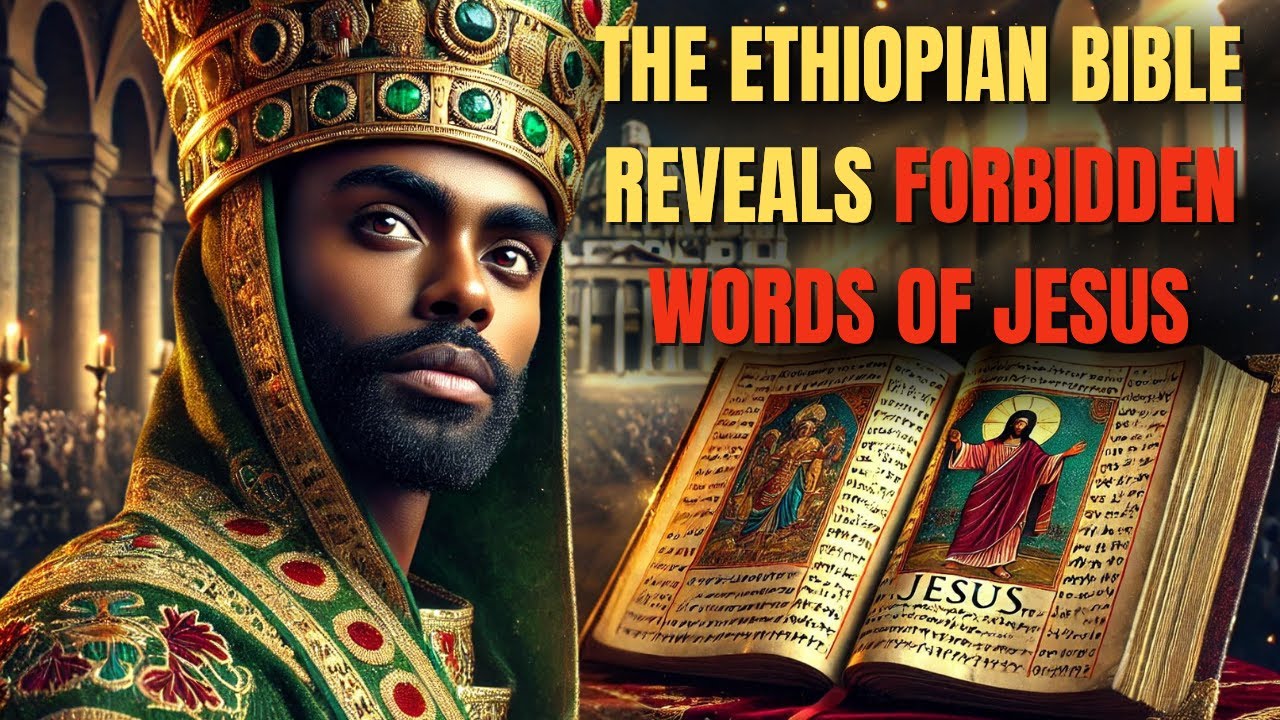
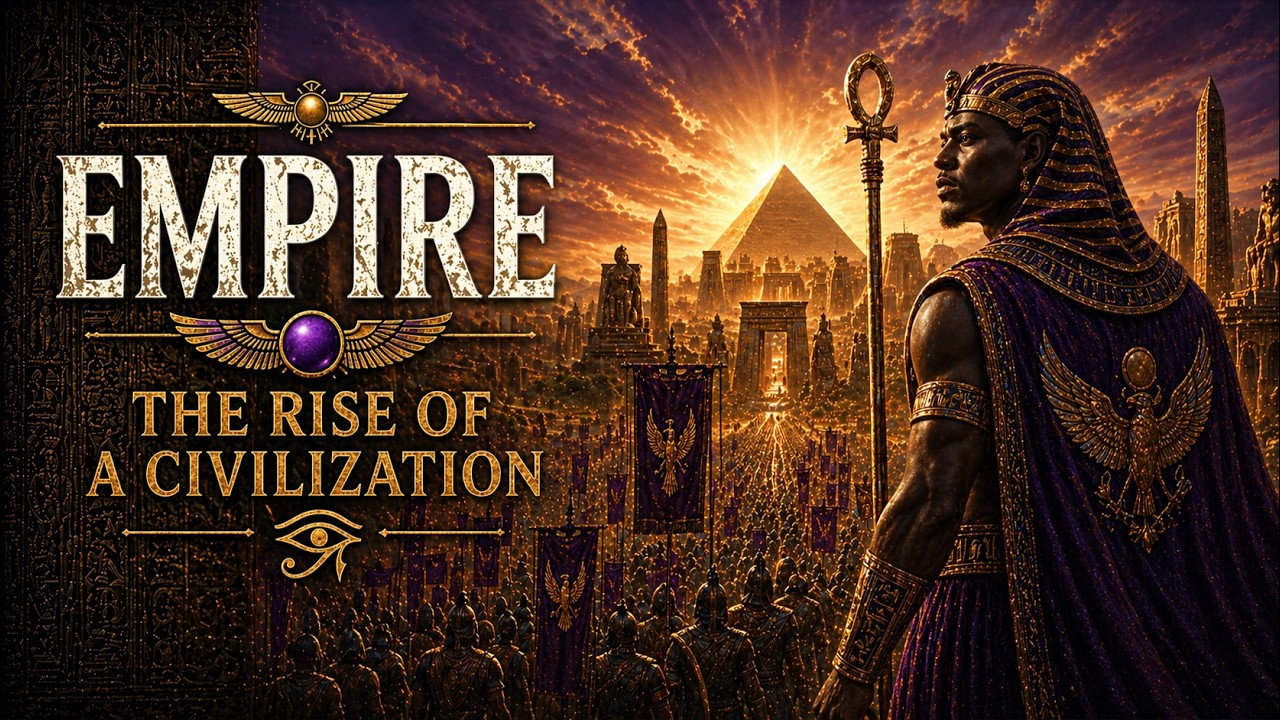
The images shown in this video were created with the help of artificial intelligence, intended to visually illustrate the historical and mythological narrative being told.
In many cases, no authentic visual records of the people, cultures, or events exist — either because they were erased, destroyed, or never documented.
Therefore, these visuals should not be seen as literal representations, but as symbolic and artistic reconstructions, designed to honor, reimagine, and bring to life the forgotten stories of humanity.
Повторяем попытку...

Доступные форматы для скачивания:
Скачать видео
-
Информация по загрузке: