EGYPT: CAIRO: PYRAMID BUILDERS' GRAVES SHED LIGHT ON ANCIENT LIFE
Автор: AP Archive
Загружено: 2015-07-23
Просмотров: 5283
Описание:
(8 Jan 1996) English/Nat
Workmen who died building Egypts pyramids thousands of years ago have given modern archaeologists a new and valuable insight into the ancient civilisation.
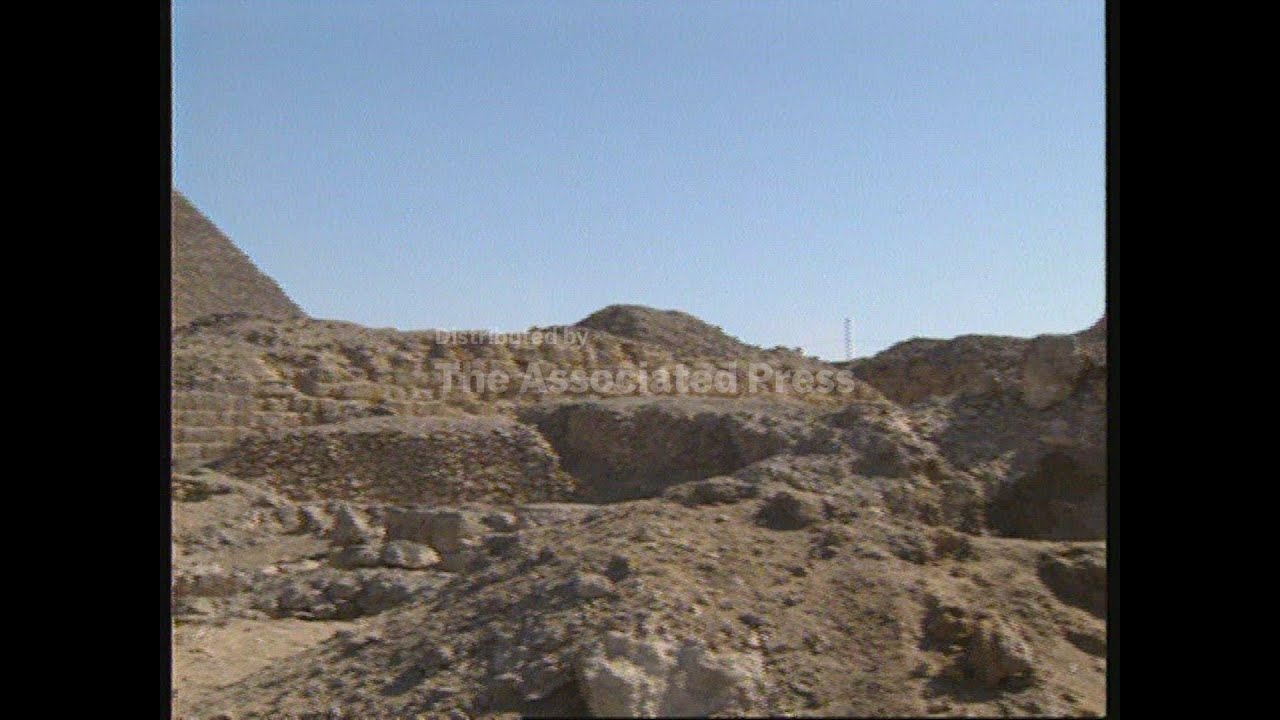
Excavations near the pyramids of Giza have shed a fresh light on the Egyptians who lived 4,600 years ago.
Some archaeologists now believe the workmen weren't actually slaves as previously believed and even had on site medical care.
Toiling away under the hot sun at the great pyramids of Giza.
Modern day workers unearth more secrets about the people who built the ancient monuments 4,600 years ago.
Almost every day brings a new discovery - like the tombs of the workmen whose physical strength made the pyramids possible.
The workmen's tombs are unique because they were never robbed.
They took no gold or valuables with them to their graves, and so held no attraction to the thieves who ransacked royal tombs over the centuries.
But they left behind important clues about life under the Pharaohs
Their skeletons reveal that many of the workmen suffered from back trouble.
Hardly surprising when you consider the weight of each stone used to construct the pyramids.
But the skeletons also suggest the workmen weren't slaves.
SOUNDBITE:
"Almost every day we can find a statue or pottery or a piece of bone that can reconstruct the history of the Old Kingdom. Because this is the first time that we know an idea about the common people, the Egyptians who built the pyramids, and at the same time we know that it was Egyptians that built the pyramids, and also in the same time they were not slaves, they built the pyramids through the love of the people."
SUPERCAPTION: Zahi Hawass, Head of the Giza Plateau
Some of the items found in the tombs come from Upper Egypt, evidence that the whole of Egypt was involved in the building of the pyramids.
There is also evidence the workmen were taken care of by doctors:
SOUNDBITE:
" We found in one of the skeletons the first actual cancer. Someone had cancer in his skull. But we found also they had a medical treatment in the site. They had doctors sitting in the site working in the site to deal with anyone having an accident while building the pyramids."
SUPER CAPTION: Zahi Hawass, Head of the Giza Plateau
The hieroglyphs from the workmen's tombs tell the story of life of the common man - not a slave.
He ate bread and drank beer at breakfast and dinner.
He expected to live for between 30 and 35 years.
But here the tomb of a priest tells a different story.
The priest's greater wealth is reflected by the greater detail in the hieroglyphs and pictures.
But it's the pyramids that maintain the fascination of the tens of thousands of tourists who visit Egypt each year.
Find out more about AP Archive: http://www.aparchive.com/HowWeWork
Twitter: / ap_archive
Facebook: / aparchives
Instagram: / apnews
You can license this story through AP Archive: http://www.aparchive.com/metadata/you...
Повторяем попытку...
Доступные форматы для скачивания:
Скачать видео
-
Информация по загрузке: