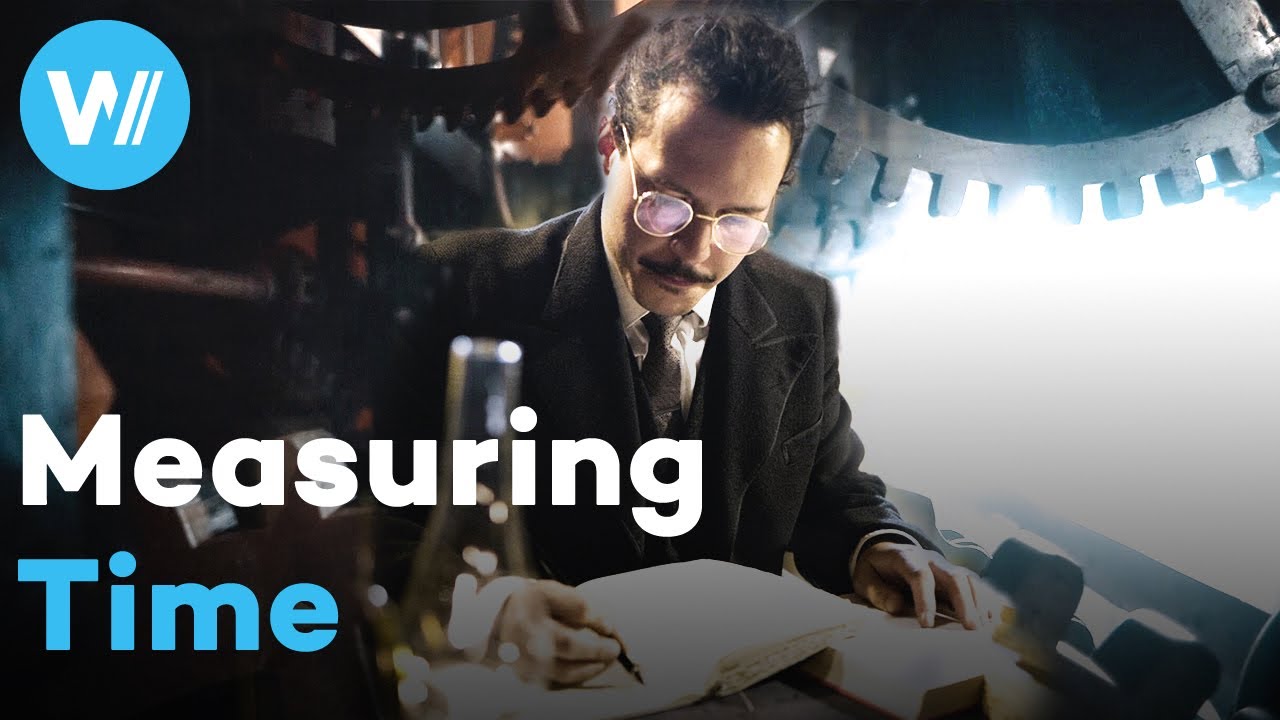
History of timekeeping devices
Автор: Wikivoicemedia
Загружено: 2015-02-25
Просмотров: 2466
Описание:
Please give us a THUMBS UP if you like our videos!!!
Source:http://en.wikipedia.org/wiki/History_...
For thousands of years, devices have been used to measure and keep track of time.
The current sexagesimal system of time measurement dates to approximately 2000
BC, in Sumer. The Ancient Egyptians divided the day into two 12-hour periods,
and used large obelisks to track the movement of the Sun. They also developed
water clocks, which were probably first used in the Precinct of Amun-Re, and
later outside Egypt as well; they were employed frequently by the Ancient Greeks,
who called them clepsydrae. The Shang Dynasty is believed to have used the
outflow water clock around the same time, devices which were introduced from
Mesopotamia as early as 2000 BC. Other ancient timekeeping devices include the
candle clock, used in China, Japan, England and Iraq; the timestick, widely used
in India and Tibet, as well as some parts of Europe; and the hourglass, which
functioned similarly to a water clock. The sundial, an early clock, relies on
shadows to provide a good estimate of the hour on a sunny day. It is not so
useful in cloudy weather or at night and requires recalibration as the seasons
change (if the gnomon was not aligned with the Earth's axis). The earliest known
clock with a water-powered escapement mechanism, which transferred rotational
energy into intermittent motions, dates back to 3rd century BC ancient Greece;
Chinese engineers later invented clocks incorporating mercury-powered escapement
mechanisms in the 10th century, followed by Arabic engineers inventing water
clocks driven by gears and weights in the 11th century.
Повторяем попытку...

Доступные форматы для скачивания:
Скачать видео
-
Информация по загрузке:







![Как представить 10 измерений? [3Blue1Brown]](https://imager.clipsaver.ru/tCIARwH01Ac/max.jpg)