Benefits of Going to Fajr Prayer to the Masjid in the Darkness | Ustadh Mohammed Abdul Baseer
Автор: MCC East Bay (Muslim Community Center)
Загружено: 2025-02-01
Просмотров: 3547
Описание:
Complete sermon: • There is No Excuse For Missing Your Five D...
More Brother Basir: https://mcceastbay.org/mohammed
Talks & Sermons on Salah: http://mcceastbay.org/salah
Ustadh Mohammed Abdul Baseer delivers a sermon giving comforting practical and spiritual insights about our daily prayers.
Complete sermon: • There is No Excuse For Missing Your Five D...
More Imam Basir: https://mcceastbay.org/mohammed
Talks & Sermons on Salah: http://mcceastbay.org/salah
According to Islamic tradition, reciting "Ayat al-Kursi" (the Throne Verse) after every obligatory prayer (salat) is highly recommended, as it is believed that doing so provides significant protection and could even guarantee entry into Paradise upon death, as per hadiths stating "Whoever recites Ayat al-Kursi after every prescribed prayer, there will be nothing standing between him and entry into Paradise but his death.".
Key points about reciting Ayat al-Kursi after salat:
Hadith source:
This practice is based on a hadith narrated by Abu Umamah, where the Prophet Muhammad (PBUH) is reported to have said that whoever recites Ayat al-Kursi after every obligatory prayer will be protected from anything preventing them from entering Paradise except death.
Meaning of "protection":
Reciting Ayat al-Kursi is seen as a powerful way to seek protection from evil, Satan, and negative influences.
Importance of consistency:
The emphasis is on reciting Ayat al-Kursi after every obligatory prayer for maximum benefit.
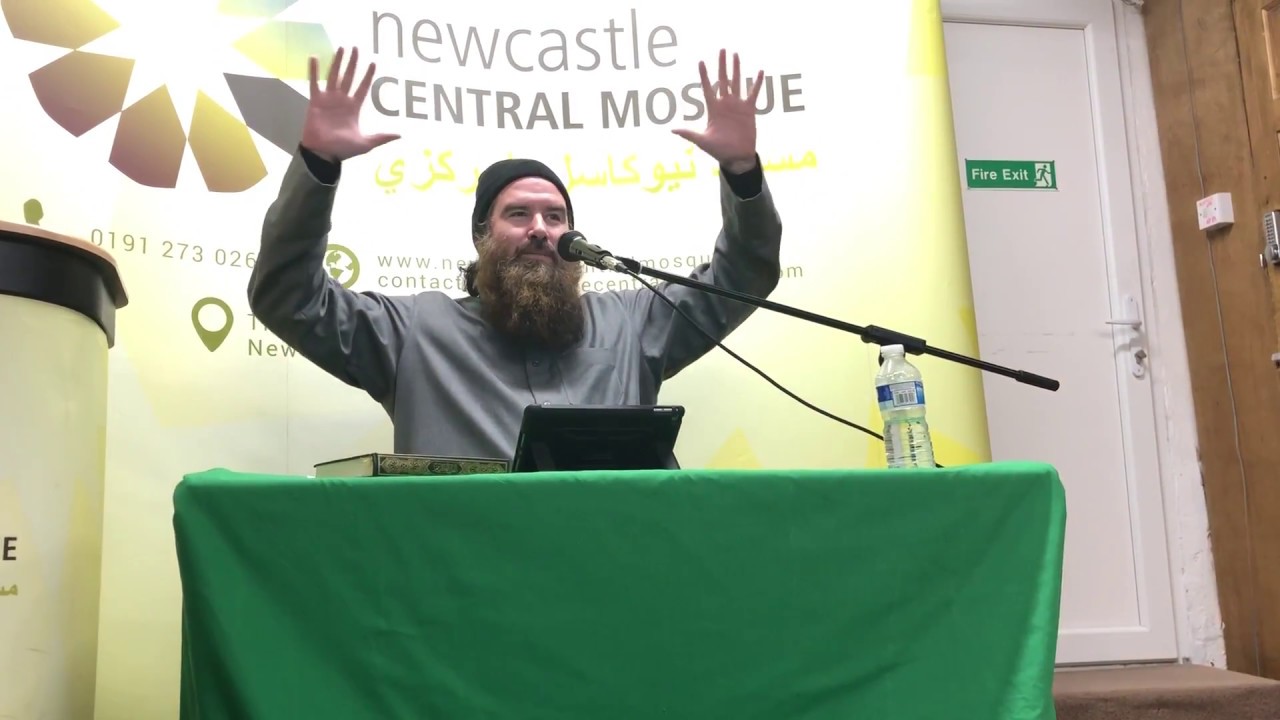
This Khutbah was delivered at the Muslim Community Center - East Bay (MCC East Bay) in Pleasanton, California on Friday, December 6, 2024.
Mohammed Abdul Baseer is an engineer and a former president of Islamic Society of East Bay (ISEB) in Fremont. He has been active in the Bay Area Muslim community since the early 1990s. Br. Baseer and his family live in Fremont.
Talks & Sermons on Salah: http://mcceastbay.org/salah
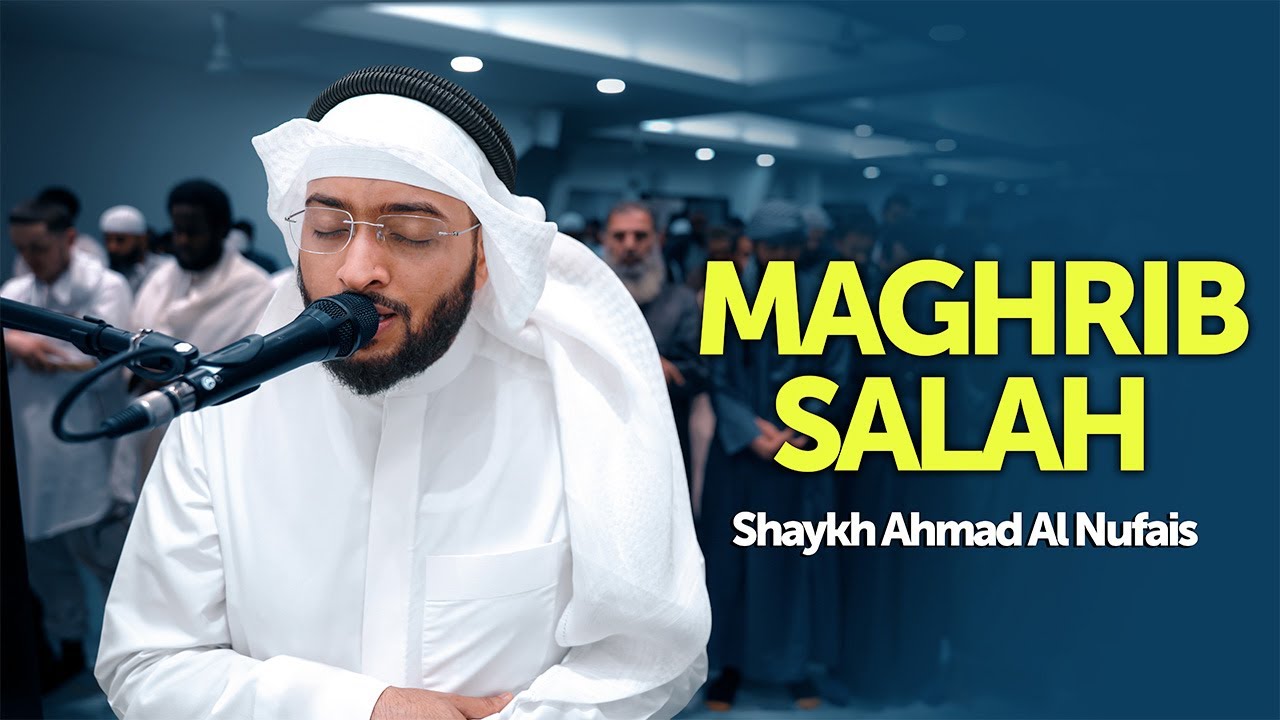
Salah (Arabic: صَلاة, plural salawat, also known as namāz (Persian: نماز) and also spelled salat, are prayers performed by Muslims. Facing the qibla, the direction of the Kaaba with respect to those praying, Muslims pray first standing and later kneeling or sitting on the ground, reciting prescribed prayers and phrases from the Quran as they bow and prostrate themselves in between. Salah is composed of prescribed repetitive cycles of bows and prostrations, called rakat (sing. rak'ah). The number of rak'ahs, also known as units of prayer, varies from prayer to prayer. Ritual purity and wudu are prerequisites for performing the prayers.The daily obligatory prayers collectively form the second of the five pillars in Islam, observed five times every day at prescribed times. These are Fajr (observed at dawn), Zuhr (observed at noon), Asr (observed late in the afternoon), Maghrib (observed after sunset), and Isha (observed at dusk). Salah can be performed either in solitude, or collectively (known as jama'ah). When performed in jama'ah, worshippers line up in parallel rows behind a leader, known as the imam. Special prayers are exclusively performed in congregation, such as the Friday prayer and the Eid prayers, and are coupled with two sermons each, delivered by the imam.
Talks & Sermons on Salah: http://mcceastbay.org/salah
More MCC East Bay: Calendar of Events: http://www.mcceastbay.org/calendarWeekly Updates: http://www.mcceastbay.org/newsletterS... MCC: https://www.mcceastbay.org/sadaqaMCC Podcast: http://mcceastbay.org/podcastFacebook: / mccpleasanton Instagram: / mcceastbayyoutube: / @mcceastbay
Повторяем попытку...

Доступные форматы для скачивания:
Скачать видео
-
Информация по загрузке: