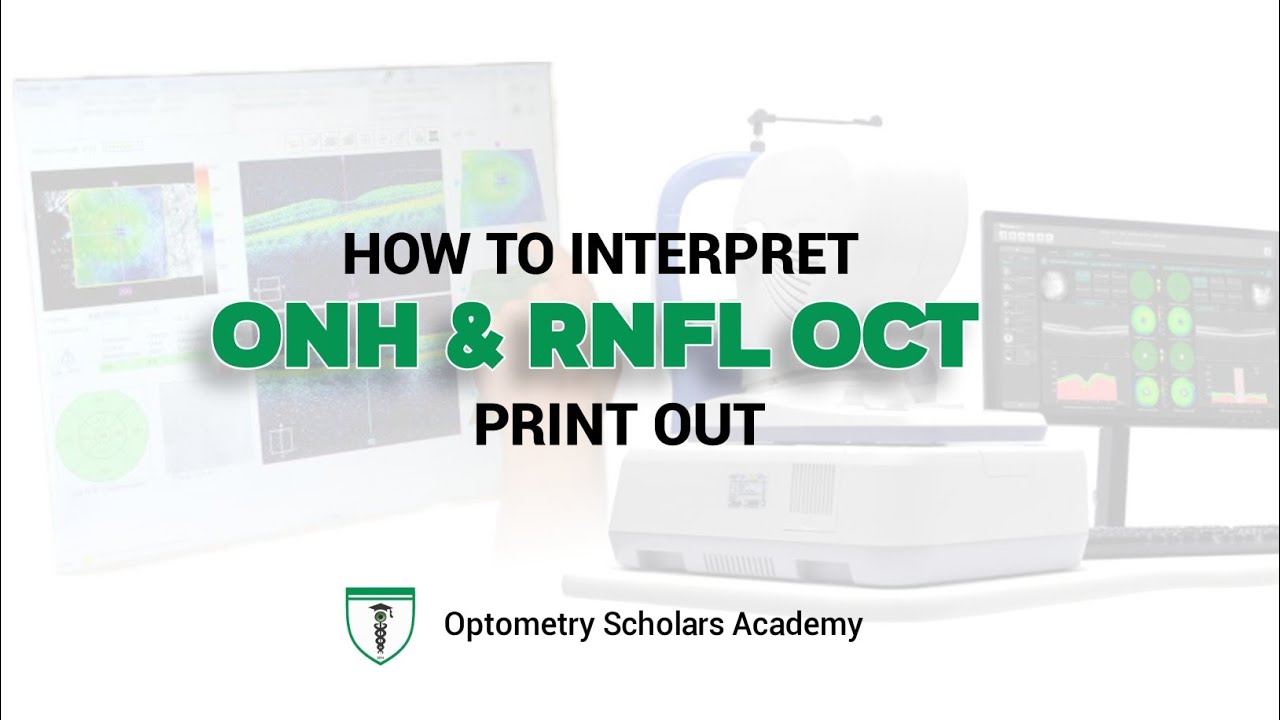
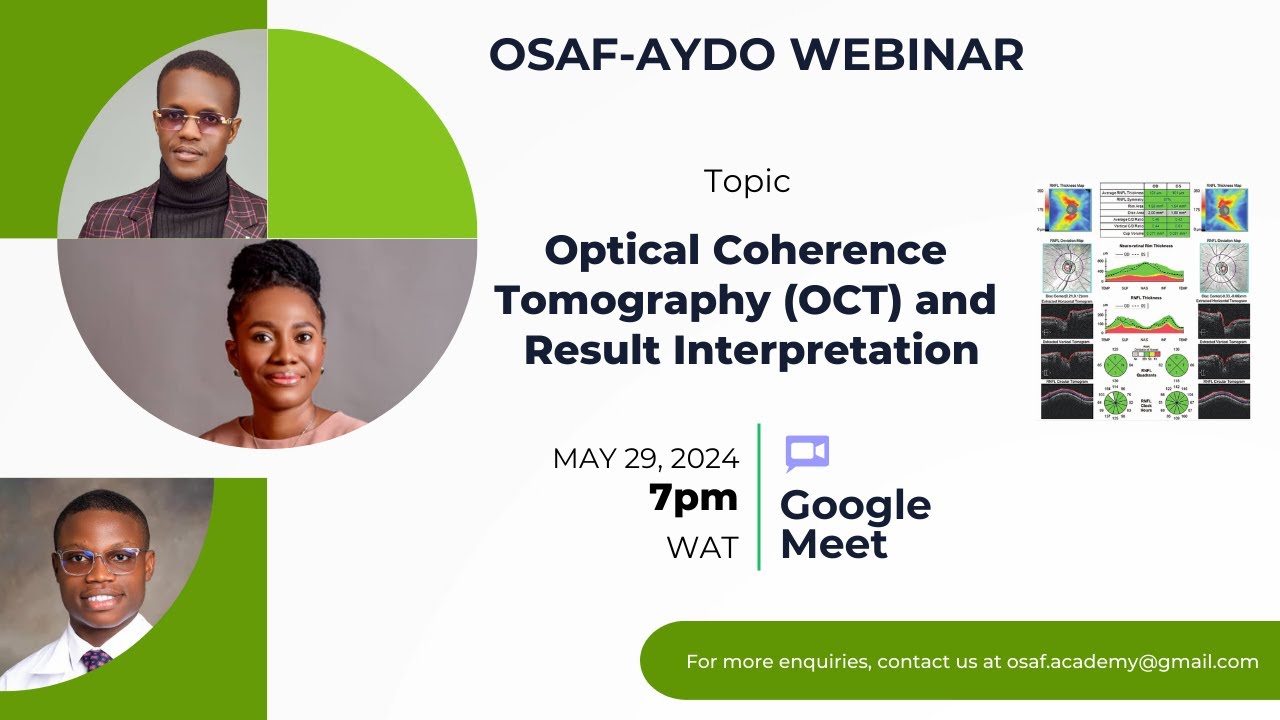
Optical Coherence Tomography and Result Interpretation | Full Tutorial on OCT
Автор: Optometry Scholars Academy
Загружено: 2024-06-22
Просмотров: 977
Описание:
Optical Coherence Tomography (OCT) is a non-invasive imaging technique that uses light waves to capture high-resolution, cross-sectional images of biological tissues, particularly the retina. Here is a detailed overview of OCT:
Principles and Technology
OCT operates on the principle of low-coherence interferometry. It utilizes near-infrared light to penetrate the tissue, capturing reflections from different layers. The interference pattern generated by combining reflected light with a reference beam is analyzed to construct detailed images of tissue structures. OCT can achieve micrometer resolution, making it a powerful tool for imaging delicate structures like the retina.
Uses
OCT is extensively used in optometry and ophthalmology to diagnose and manage retinal diseases, such as age-related macular degeneration (AMD), diabetic retinopathy, and glaucoma (particularly when the ocular media is clear).
Generally, macular lesions are easier to image compared to those in the mid and far periphery. OCT is particularly useful for diagnosing:
1. Macular edema and exudates
2. Macular pucker/epiretinal membrane
3. Vitreomacular traction
4. Macular hole
5. Detachments of the neurosensory retina
6. Retinoschisis
7. Pachychoroid
8. Choroidal tumors
9. Detachments of the retinal pigment epithelium (e.g., central serous chorioretinopathy or age-related macular degeneration)
Advantages
High Resolution: OCT provides high-resolution images, which are crucial for detailed visualization of tissue structures.
Non-Invasive: The technique is non-contact and does not require any incisions, making it safe and comfortable for patients.
Real-Time Imaging: OCT allows for real-time imaging, which is beneficial for guiding surgical procedures and immediate decision-making
Limitations
Since OCT uses light waves instead of ultrasound's sound waves, media opacities can hinder optimal imaging. Consequently, OCT is less effective in cases of vitreous hemorrhage, dense cataracts, or corneal opacities. Patient cooperation is crucial for most diagnostic tests, including OCT. Movement from the patient can reduce image quality. However, newer OCT machines have shorter acquisition times, leading to fewer motion-related artifacts.
#optometry, #ophthalmology, #opticalcoherencetomography, #oct, #optometryscholarsacademy, #defineoct, #explainoct, #whatisoct, #octinterpretation
Повторяем попытку...
Доступные форматы для скачивания:
Скачать видео
-
Информация по загрузке: