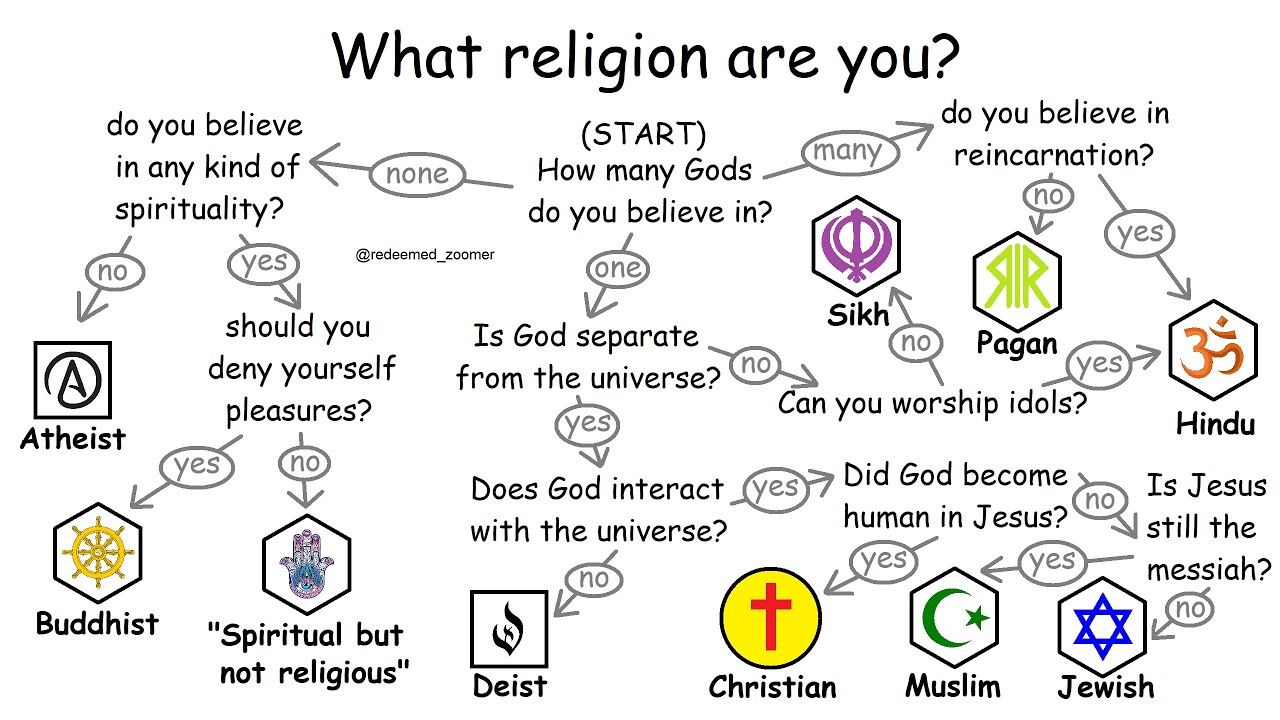
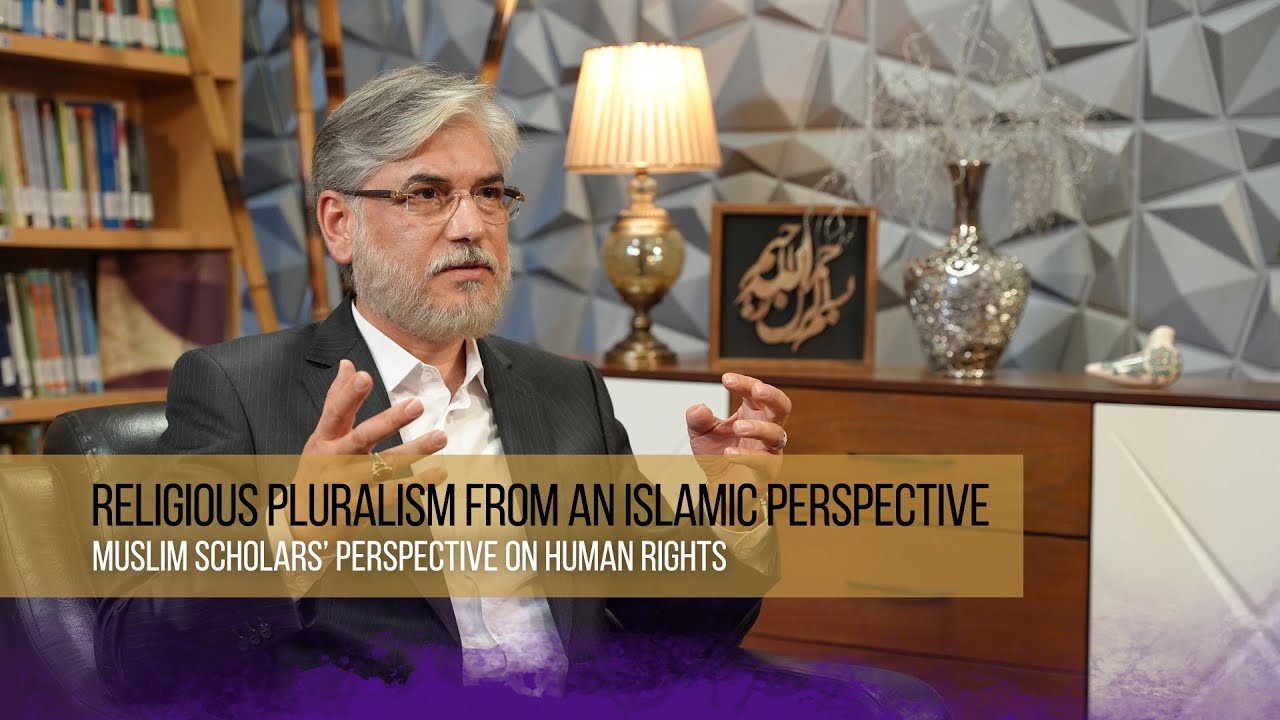
Religious Pluralism from an Islamic Perspective
Автор: IRIC Channel
Загружено: 2023-08-22
Просмотров: 583
Описание:
A Discussion with Prof. Hossein Simaee Sarraf on "Religious Pluralism from an Islamic Perspective"
Muslim Scholars' Perspective on Human Rights
Welcome to our thought-provoking series "Muslim Scholars' Perspective on Human Rights." In this series, we engage with renowned Islamic scholars who provide valuable insights into how Islam respects and protects human rights. Join us as we delve into the challenges faced in upholding these rights while exploring their significance for social justice, sustainable development, and peace within our societies. Don't miss out on this enlightening journey! Subscribe now for regular updates on our latest episodes.
Pluralism promotes the idea that all religions can peacefully coexist, fostering an inclusive community where individuals are free to practice their faith. In this episode, I have the pleasure of hosting Prof. Simaee as my guest, and we will discuss whether Islam recognizes other religions and if so, do their followers have freedom of belief and practice or not? Join me as I explore the issue of pluralism with Prof. Simaee.
• About the Speaker:
Prof. Simaee Sarraf is an associate professor at Shahid Beheshti University in Tehran. He holds a PhD in Private Law and a degree from Qom Seminary, where he studied Islamic jurisprudence. He is the author of dozens of books and articles on various topics related to religious jurisprudence and law. His research interests include religion, Islamic law, human rights and philosophy.
• Highlights:
According to some Islamic jurists, a distinction should be made between the Abrahamic religions (such as Christianity and Judaism) and other religions. The Abrahamic religions are recognized, and their followers are privileged to have freedom of belief and practice. They can maintain their own religion without being required to convert to Islam.
Extremists fail to differentiate between Abrahamic and non-Abrahamic religions. They wage war against anyone who does not share their beliefs. Consequently, we witness terrorist attacks in Europe and the United States targeting Christians and Jews, while those in the Middle East target Muslims.
The Shia school of thought, which boasts numerous followers in Iran, Iraq, and Lebanon, fundamentally prohibits the initial jihad - the war aimed at changing beliefs - during the occultation era of the Divine leader. Shia Muslims advocate for tolerance and coexistence with other religions. As a result, there are no Shia jihadist or terrorist groups among the violent factions.
Повторяем попытку...
Доступные форматы для скачивания:
Скачать видео
-
Информация по загрузке: