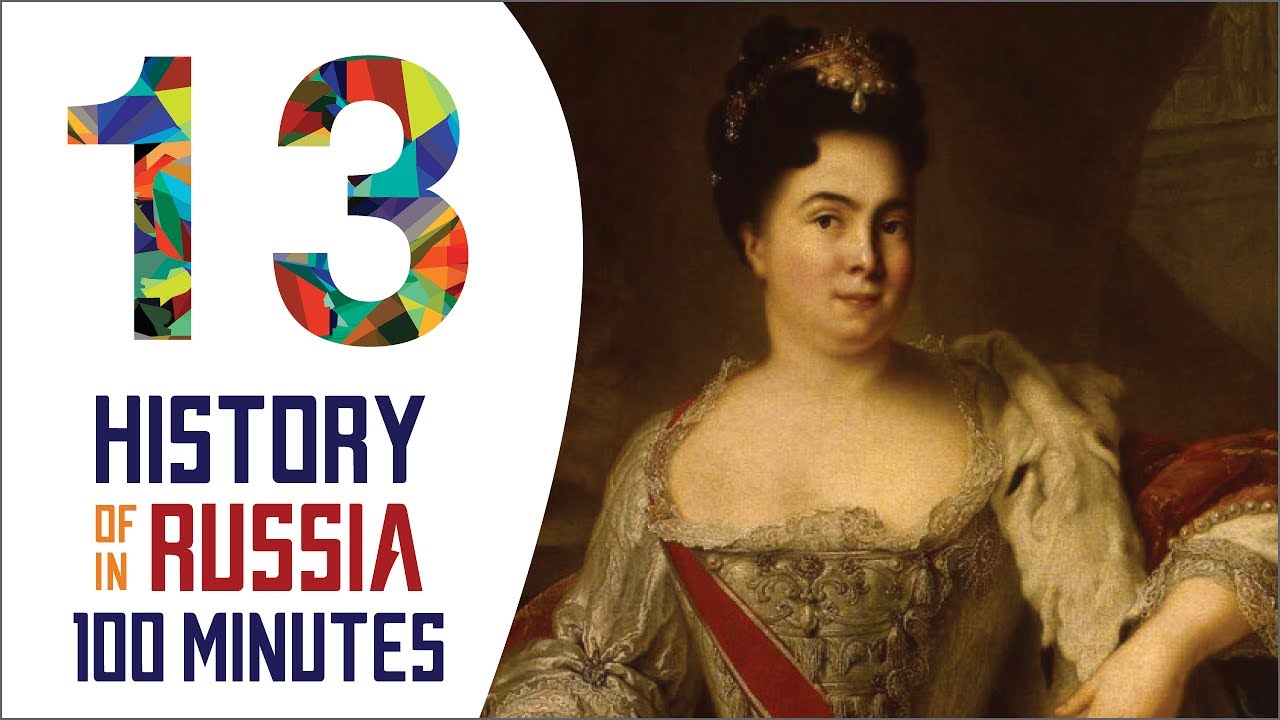
Palace Revolutions - History of Russia in 100 Minutes (Part 13 of 36)
Автор: Smart History of Russia
Загружено: 2017-07-21
Просмотров: 9780
Описание:
"History of Russia in 100 Minutes" is a crash course for beginners. Here you will find the complete history summarized and retold in simple language with accurate dates, the most relevant names and essential concepts. After finishing the course, you will know:
The basic characteristics of Russian history in different epochs
The 54 most important rulers and 106 historical persons in Russian history
126 key dates and events in Russian history
The basic terms and concepts of Russian history
The text is accompanied by numerous online resources:
20,000 pictures
700 videos
3,500 songs
100 podcast episodes
All that is available via the smarthistories.com website.
http://smarthistories.com/
Narrated by: Sammi Bold
Written by: Tanel Vahisalu
Edited by: Madis Maasing and Kerry Kubilius
Proofread by: Tony Burnett
Graphic Art by: Mehak Zaib Suddle
Video:
"Peter the First” by Vladimir Petrov (1937)
“Rise of Catherine the Great” by Paul Czinner, Alexander Korda (1934)
Music:
"Tchaikovsky (Part II)" and "Crocodile Ghena's Song" (1995) by J.M.K.E.
https://www.discogs.com/JMKE-Sputniks...
- - - - - - - - -
PALACE REVOLUTIONS
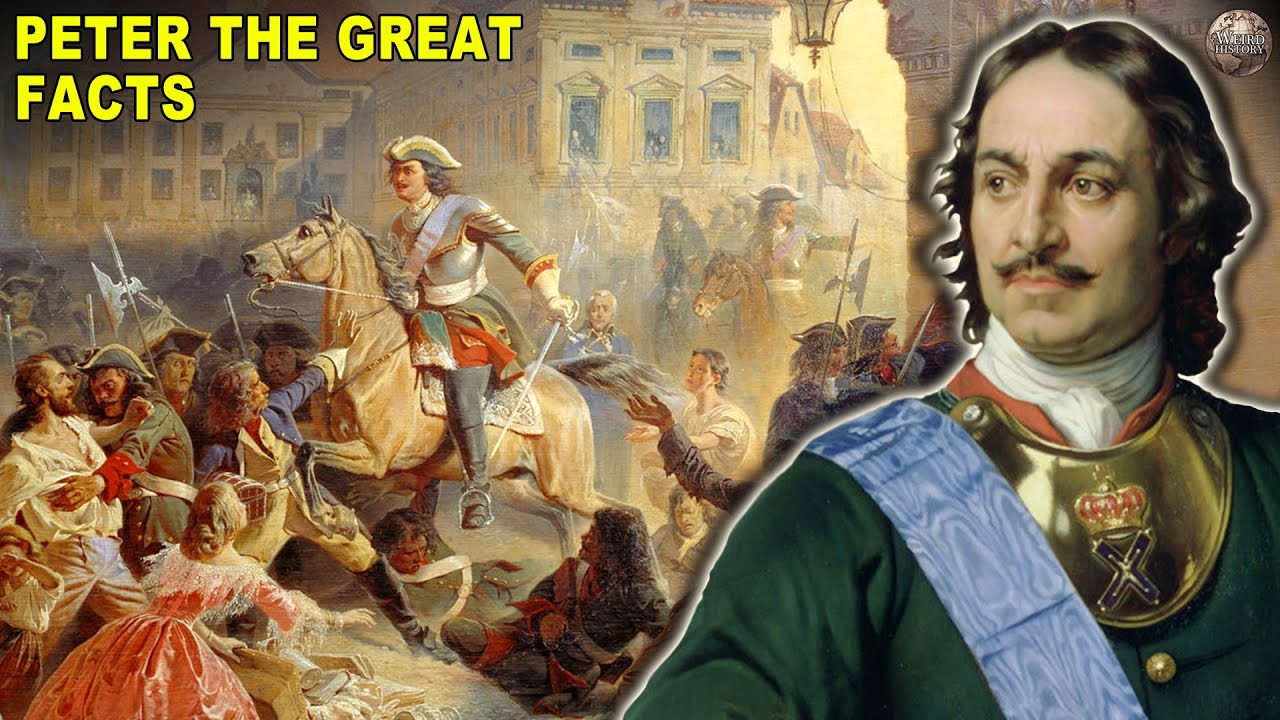
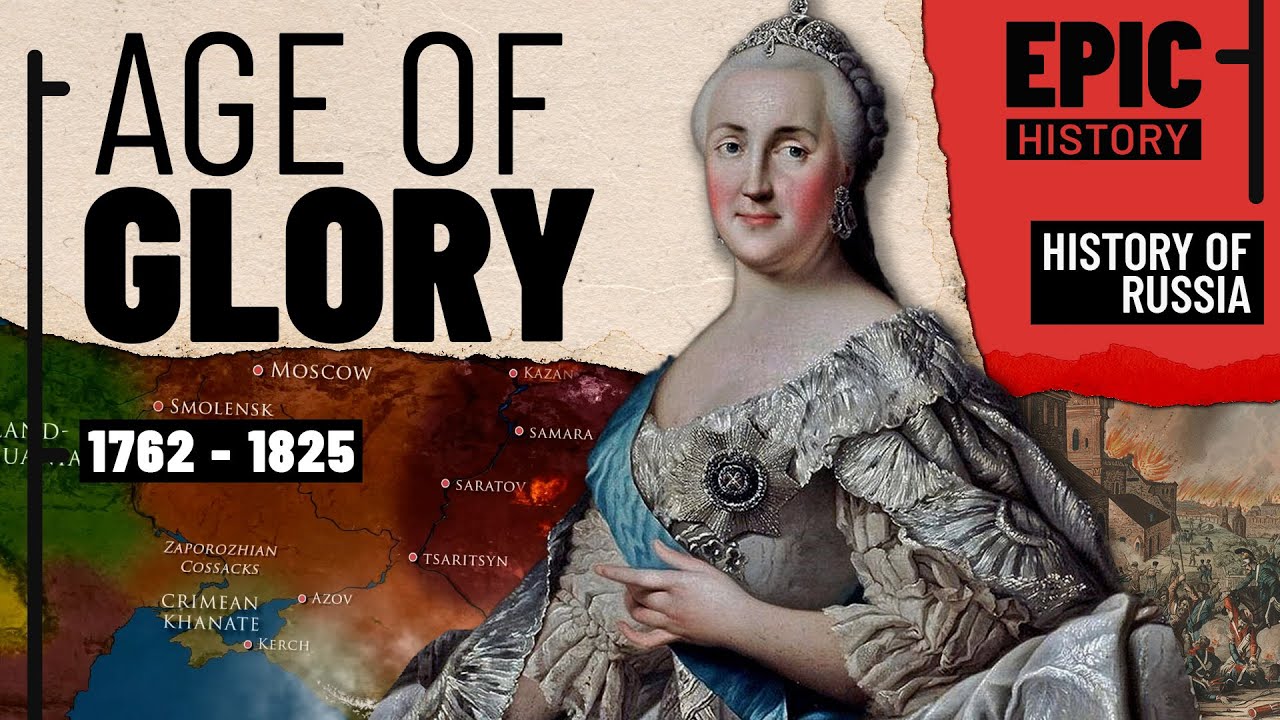
In the 18th century, the period between the reigns of Peter the Great and Catherine the Great, was known as the “Era of Palace Revolutions.” During that, “… second time of troubles,” Russia was mostly ruled by women, and power was often seized by force.
BACKGROUND
Before Peter the Great died in 1725, he had changed the rule of succession so that every succeeding ruler, individually, had to name an heir. Peter himself died before doing so. What followed was a disorder and a power struggle between the old boyar families and the new nobility. Over the next forty years, the ascension of rulers was mostly decided by the support of the Imperial Guards. Without their backing, rulers had little chance of staying on the throne.
CATHERINE I AND PETER II
In 1725, Peter the Great’s wife, Catherine I, seized power and ruled for two years. Catherine had a secret alliance with Peter’s right-hand man, Alexander Menshikov, and she kindly delegated all duties of governing to him and to the newly established Supreme Privy Council. She was followed on throne by Peter’s grandson, Peter II. His three years of rule were best characterized by his carefree lifestyle and the influence of old boyar families.
ANNA IVANOVNA AND IVAN VI
Following the young Peter II’s death of smallpox on his wedding day in 1730, Anna Ivanovna became ruler. She was the daughter of Peter the Great’s half-brother and former co-ruler, Ivan V. Anna disbanded the Supreme Privy Council, who tried to restrict her power and invited her Baltic-German ally, Ernst von Biron, to handle state matters. Von Biron’s corruption, and the luxurious lifestyle of his German court, angered people a great deal.
Anna had no children, and in 1740, she left the throne to her sister’s two-month-old grandson, Ivan VI. Her mother, Anna Leopoldovna declared herself Regent and ruled with little support from the nobility.
ELIZABETH
The opportunity was seized by Peter the Great’s daughter, Elizabeth. She, and the Imperial Guard arrested Anna Leopoldovna and her baby. The Baltic-Germans were chased away, and Elizabeth was crowned Empress. Her 21-year reign was successful. She continued Peter the Great’s reforms, and carried out wise policy in Europe’s conflicts, especially in the Seven Years’ War. Moreover, with, allegedly, 15,000 dresses in her personal wardrobe, Elizabeth’s court was by no means inferior to that of Louis XV of France.
Повторяем попытку...
Доступные форматы для скачивания:
Скачать видео
-
Информация по загрузке: