Sharpening Old W.Marples & Sons Chisel
Автор: Northmen
Загружено: 2019-03-31
Просмотров: 110367
Описание:
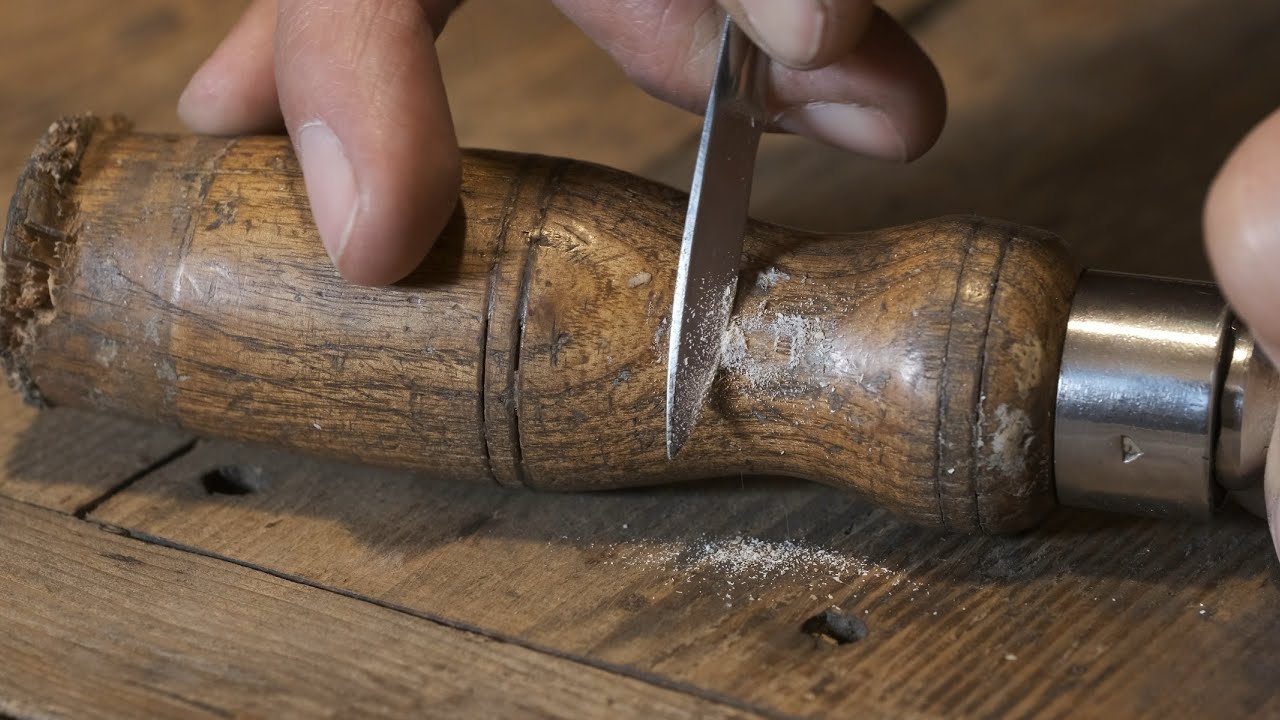
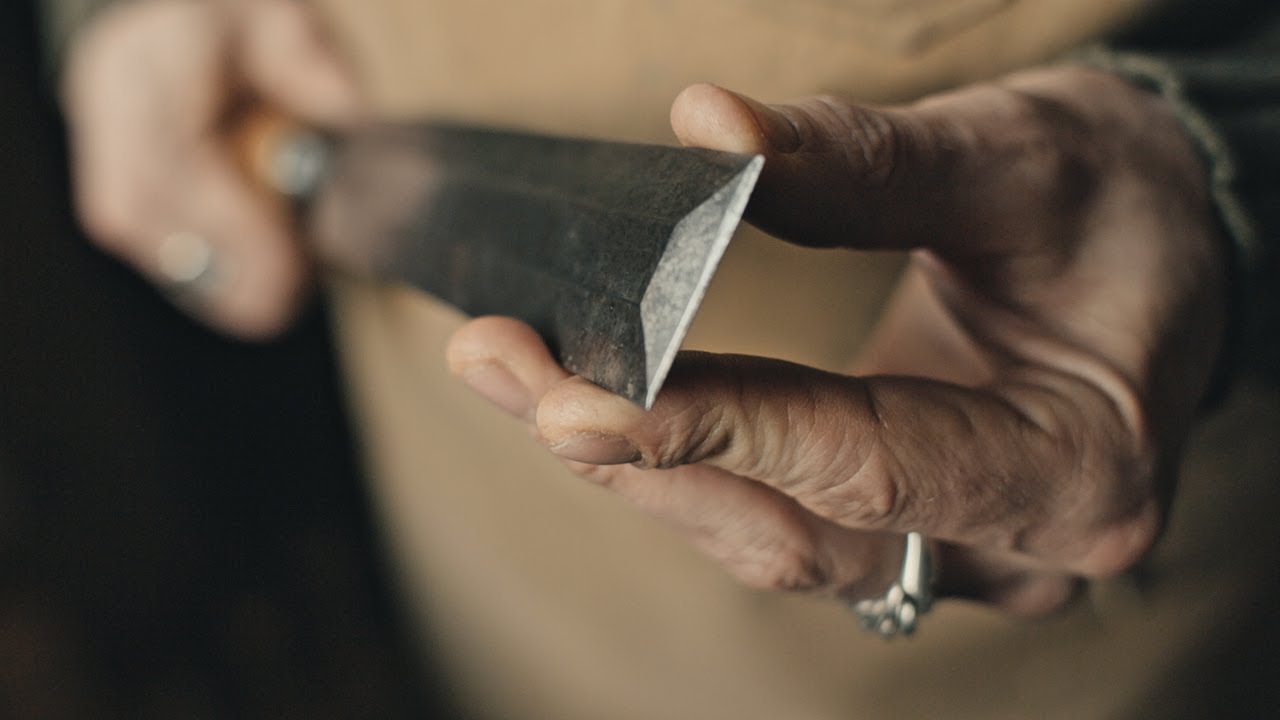
Short movie showing process of sharpening an old Marples & Sons beveled paring chisel. The steel in those (old Sheffield) chisels are unique quality. Name "Cast Steel" on old Sheffield chisels refers to steel made by the crucible cast steel method, invented in Sheffield around 1740 by Benjamin Huntsman (1707-1776), a clock maker from Doncaster.
Huntsman's experiments in crucible steelmaking began in 1740 and over the next two years he developed the simple method of purifying Blister steel by letting it in clay crucible pots. Blister steel had many imperfections and Huntsman wanted to create a better quality steel for his clock parts.
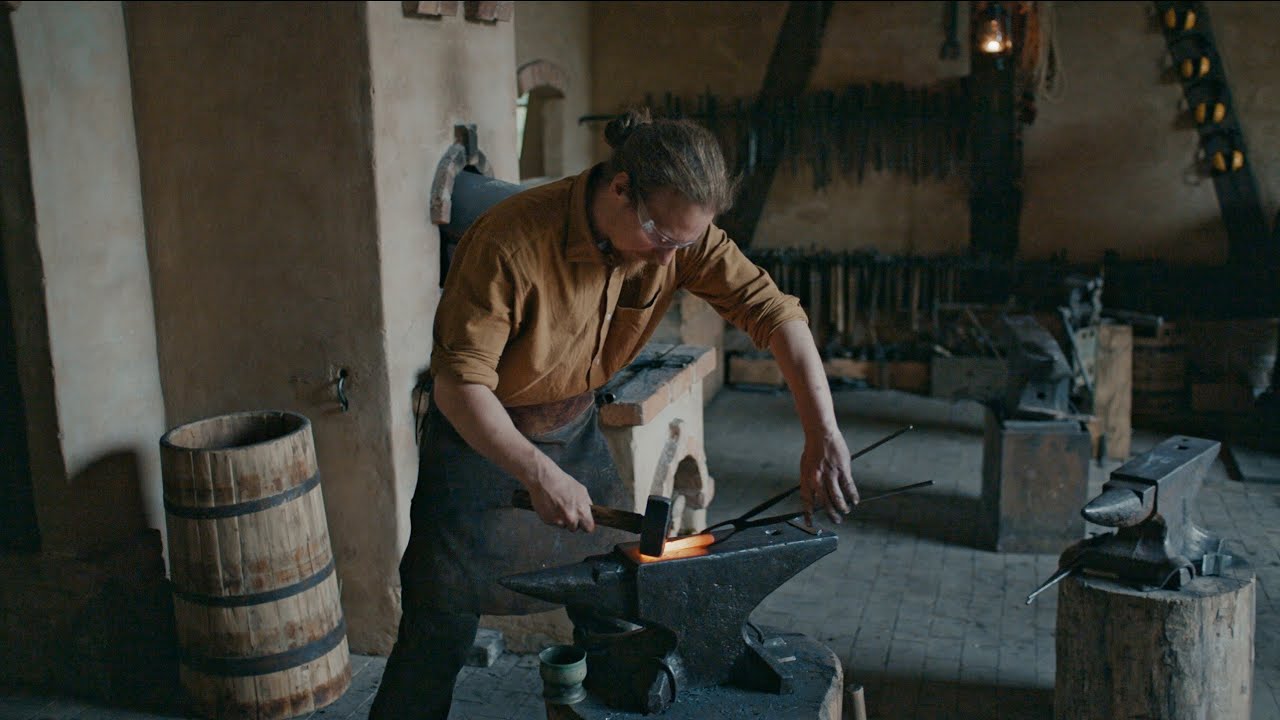
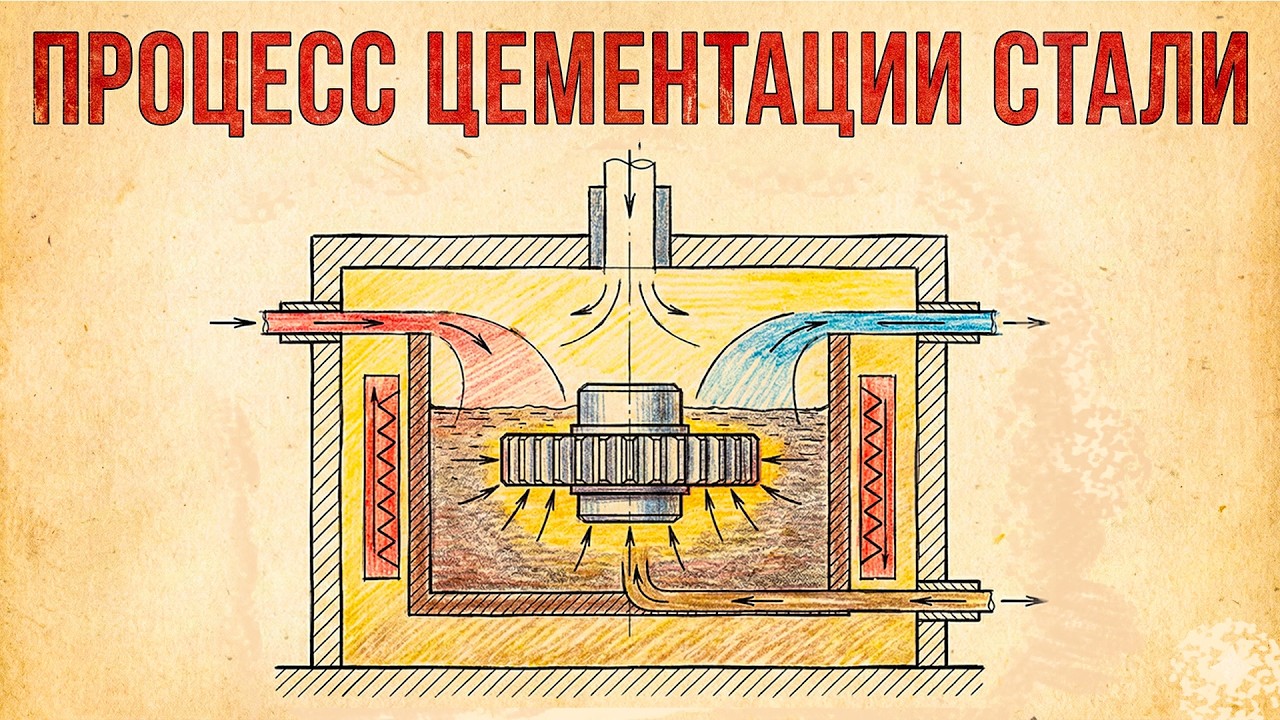
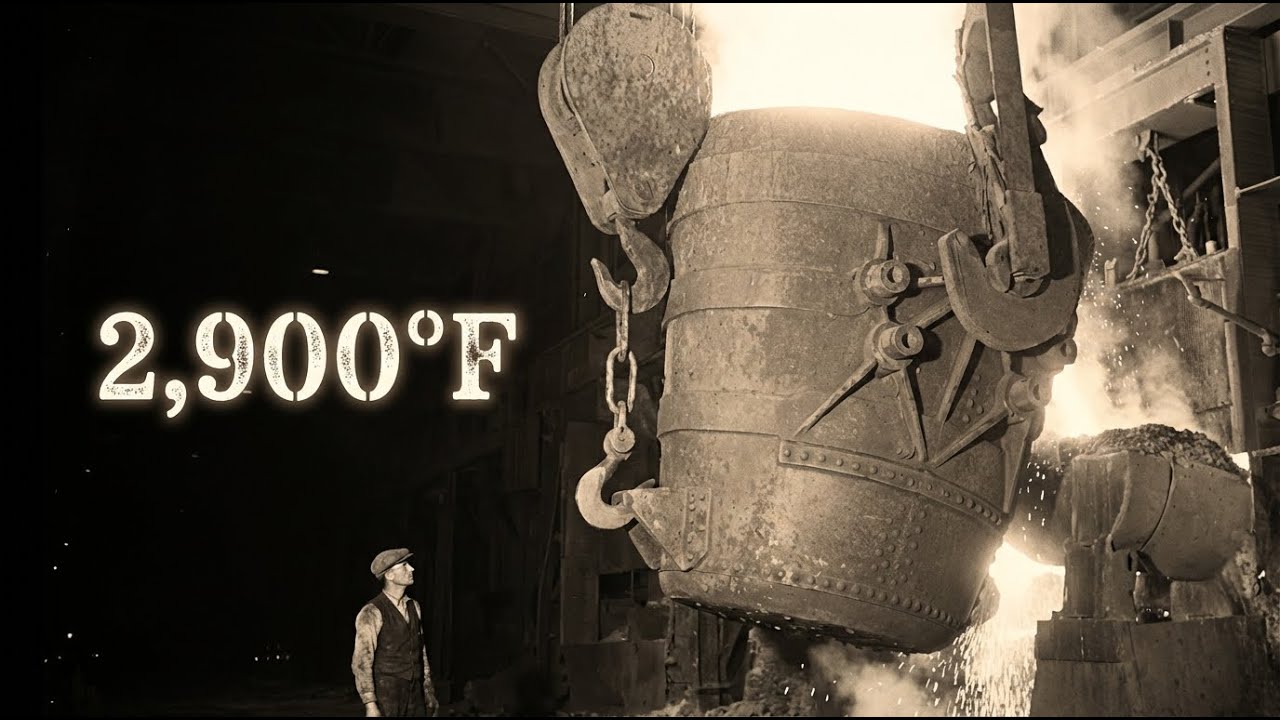
Benjamin Huntsman was a clockmaker in search of a better steel for clock springs. In Handsworth near Sheffield, he began producing steel in 1740 after years of experimenting in secret. Huntsman's system used a coke-fired furnace capable of reaching 1,600 °C, into which up to twelve clay crucibles, each capable of holding about 15 kg of iron, were placed. When the crucibles or "pots" were white-hot, they were charged with lumps of blister steel, an alloy of iron and carbon produced by the cementation process, and a flux to help remove impurities. The pots were removed after about 3 hours in the furnace, impurities in the form of slag skimmed off, and the molten steel poured into moulds to end up as cast ingots. Complete melting of the steel produced a highly uniform crystal structure upon cooling, which gave the metal increased tensile strength and hardness compared to other steels being made at the time.
Huntsman's process was the first to produce a fully homogeneous steel. Unlike previous methods of steel production, the Huntsman process was the first to fully melt the steel, allowing the full diffusion of carbon throughout the liquid. With the use of fluxes it also allowed the removal of most impurities, producing the first steel of modern quality. Due to carbon's high melting point (nearly triple that of steel) and its tendency to oxidize (burn) at high temperatures, it cannot usually be added directly to molten steel. However, by adding wrought iron or pig iron, allowing it to dissolve into the liquid, the carbon content could be carefully regulated (in a way similar to Asian crucible-steels but without the stark inhomogeneities indicative of those steels). Another benefit was that it allowed other elements to be alloyed with the steel. Huntsman was one of the first to begin experimenting with the addition of alloying agents like manganese to help remove impurities such as oxygen from the steel. His process was later used by many others, such as Robert Hadfield and Robert Forester Mushet, to produce the first alloy steels like mangalloy, high-speed steel, and stainless steel.
Повторяем попытку...
Доступные форматы для скачивания:
Скачать видео
-
Информация по загрузке: