India and China Can't Ignore Each Other
Автор: Study Pathshala
Загружено: 2026-06-07
Просмотров: 16338
Описание:
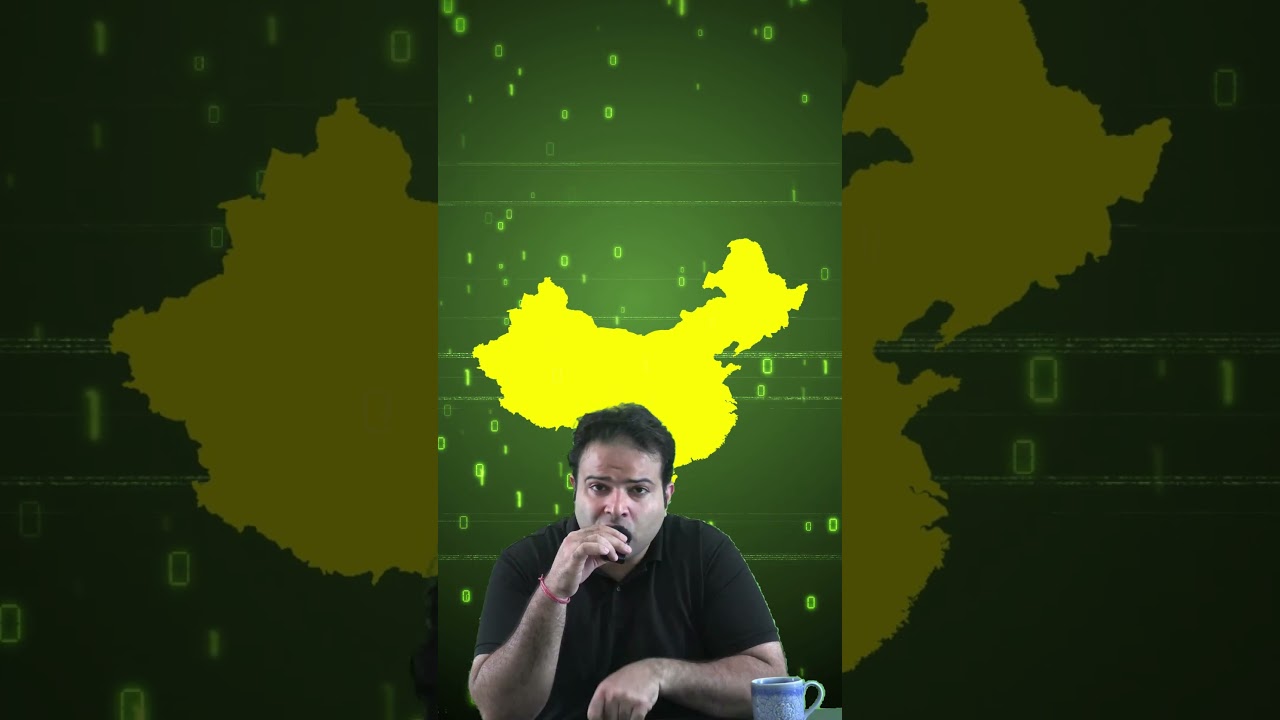
India and China cannot ignore each other because they are too large, too close, and too interconnected to treat the relationship as optional. The mix of border tension, trade dependence, and Indo-Pacific rivalry means both countries have to compete and cooperate at the same time.
Why the relationship is unavoidable
India and China are the two biggest powers in Asia, and their relationship affects border stability, regional trade, BRICS, SCO, and the wider balance of power in the Indo-Pacific. Even after the 2020 Galwan crisis, both sides kept multiple dialogue channels open because a complete breakdown would be too costly for both economies and militaries.
Main tensions
The biggest problem remains the unsettled border along the LAC, where clashes such as Doklam in 2017 and Galwan in 2020 destroyed trust. India also worries about China’s close alignment with Pakistan, Chinese activity in India’s neighbourhood, and Beijing’s infrastructure and water projects on the Brahmaputra/Yarlung Tsangpo.
Trade is another source of tension. India runs a very large deficit with China, and that creates pressure in New Delhi to reduce dependence on Chinese goods, components, APIs, electronics, solar modules, and critical minerals.
Why they still engage
Despite rivalry, both sides have reasons to keep talking. The two economies are deeply linked, and both need stable ties for growth, supply chains, investment, and global diplomacy. India also needs Chinese imports in sectors like pharmaceuticals and renewables, while China benefits from avoiding a full hostile coalition in Asia.
Recent thaw
There has been a cautious thaw since 2024–25. India and China have resumed high-level talks, including Special Representatives’ discussions, border management meetings, and renewed economic and people-to-people dialogue. They have also discussed reopening border trade routes, resuming direct flights, sharing hydrological data during emergencies, and expanding the Kailash Mansarovar Yatra from 2026.
What this means for India
For India, the relationship is a balancing act: contain Chinese pressure on the border and in the neighbourhood, but avoid a total rupture that would hurt trade, supply chains, and diplomacy. That is why New Delhi pairs deterrence and partnerships like the Quad with dialogue and limited economic engagement.
Bottom line
India and China can’t ignore each other because neither can fully defeat, replace, or decouple from the other. The future is likely to be managed competition: occasional cooperation, persistent mistrust, and constant border vigilance.
Повторяем попытку...
Доступные форматы для скачивания:
Скачать видео
-
Информация по загрузке: