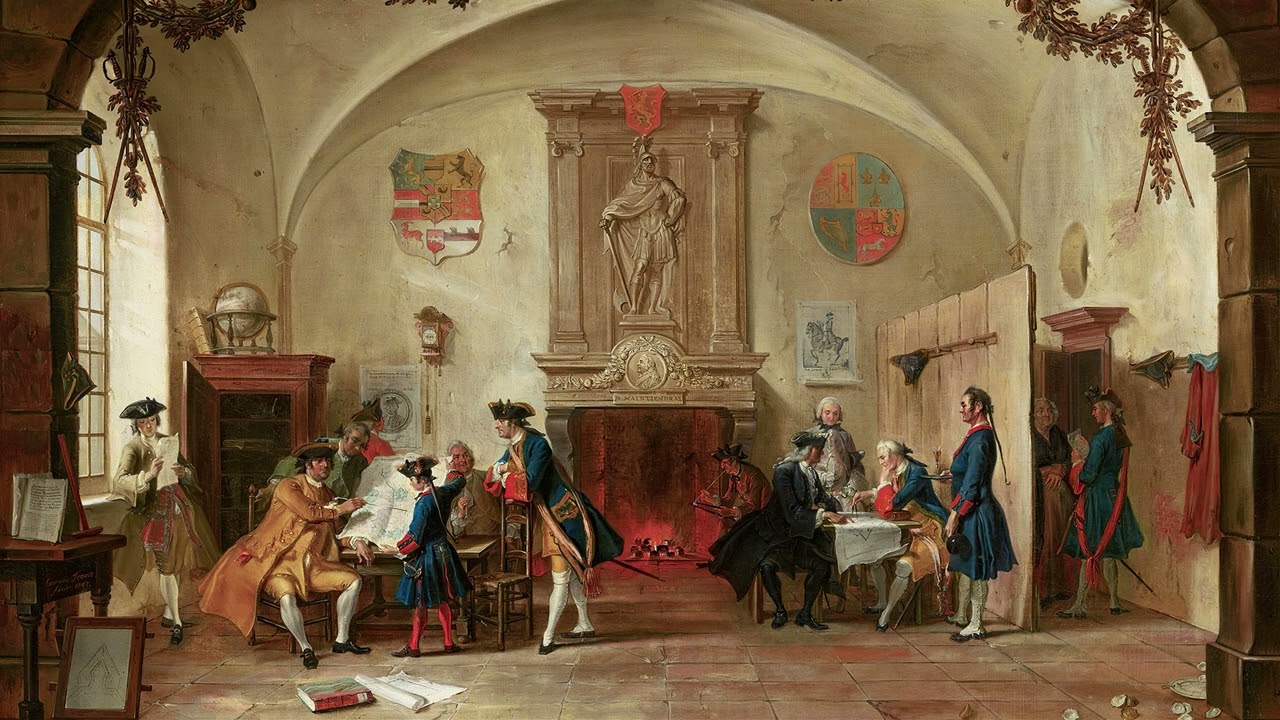
Luigi Dallapiccola Piccolo Concerto per Muriel Couvreux
Автор: Pau Malatesta
Загружено: 2016-05-14
Просмотров: 3283
Описание:
Luigi Dallapiccola
'Piccolo Concerto per Muriel Couvreux'
For piano and chamber orchestra
Pastorale, Girotondo e Ripresa 00:00
Cadenza, Notturno e Finale 09:16
Bruno Canino, piano
Dallapiccola Ensemble
Luigi Suvini, conductor
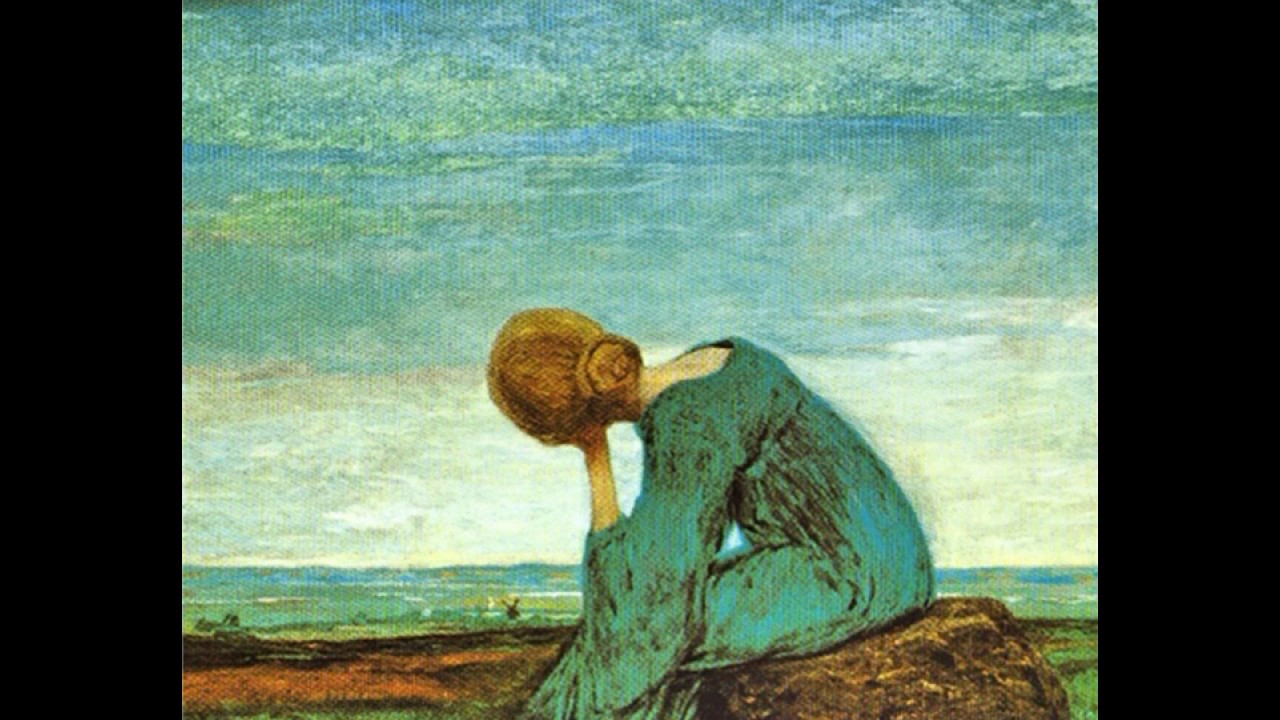
Painting: Massimo Campigli, The Shore, 1936
Dallapiccola wrote the 'Piccolo Concerto per Muriel Couvreux' when he was also engaged on a more demanding work, the 'Canti di Prigionia' [Songs of Imprisonment], intended as a protest against the anti-libertarian policies of Fascism and as a refusal of war. The 'Piccolo Concerto per Muriel Couvreux' is based on very different and much less 'serious premises'. Muriel Couvreux, the dedicatee of the work, was a girl of seven years, daughter a Parisian lady - Lucienne Couvreux, daughter in turn of the director of the Opera Jacques Rouché, who in 1937 had put the composer in touch with the publisher Gallimard (Dallapiccola was to acquire the rights to a novel by Saint-Exupéry, literary source of the opera 'Volo di notte' [Night Flight]): thus the dedication of this work was seen as an expression of thanks for this contact. Composed between 1939 and 1941, the 'Piccolo Concerto' was performed on 1st May 1941 at the Teatro delle Arti in Rome, the composer himself playing the piano and Fernando Previtali conducting. The dedication to the little girl is not a mere pretext, but is reflected throughout the piece in which the composer deliberately attempted to infuse a 'child-like character'. This is seen in the restricted dimensions of the piece and its limited instrumental group, in the relative simplicity of the piano writing (relative in the sense that it is apparent rather than real: we need only remember its continuous polymetric solutions), and the prevalently diatonic content of the concerto […]. The formal structure of the piece [consists of] two movements, each divided into three sections: 'Pastorale, Girotondo' and 'Ripresa', 'Cadenza, Notturno' and 'Finale' , the first of the two being quite similar to sonata form. […]. In the 'Piccolo Concerto' we find that clarity of timbre, that delight in pentaphonic and hexaphonic melodies that was so dear to Ravel; we also find piano writing which favours percussive technique and the illusory phonic tricks of Mussorgsky's piano style; but most importantly we find a characteristic which looks to the Austro-German musical world, and in particular to the Vienna school: musical discourse seen as a weave of lines that are in-dependent yet related one to another. This is already very evident in the 'Pastorale' which opens the first movement, where the soloist and orchestra propose a series of canons (by augmentation, by diminution, by inversion...) which are perceptible for the listener; the entire movement (with a brisker central section 'Girotondo' that serves as a development) thus takes on a self-reflecting character which acts as a delightful complement to those features, mentioned above, which define its 'child-like character'. The second movement opens with a long solo cadenza, whilst the central 'Notturno' is almost exclusively orchestral. This is the 'twilight' zone of the concerto, where Dallapiccola seeks delicate instrumental blending and prefers to make use of chromatic material: including a dodecaphonic succession (in all four forms) which he uses mainly for its timbric implications. The 'Finale', brilliant in its percussive piano style and metrical oscillations, uses material that has already appeared in the movement and thus the work concludes in a cyclical form.
From Music Notes by Arrigo Quattrocchi
Повторяем попытку...

Доступные форматы для скачивания:
Скачать видео
-
Информация по загрузке:




![Luigi Dallapiccola FRAMMENTI SINFONICI dal balletto “Marsia” [MR 38]](https://imager.clipsaver.ru/FbHsmJihcUU/max.jpg)

![Ottorino Respighi Impressioni Brasiliane [Brazilian Impressions]](https://imager.clipsaver.ru/yDh3wjJtyF0/max.jpg)