How to Install a P3 Gauge in a BMW 3 Series
Автор: 4DIYers
Загружено: 2024-08-16
Просмотров: 1729
Описание:
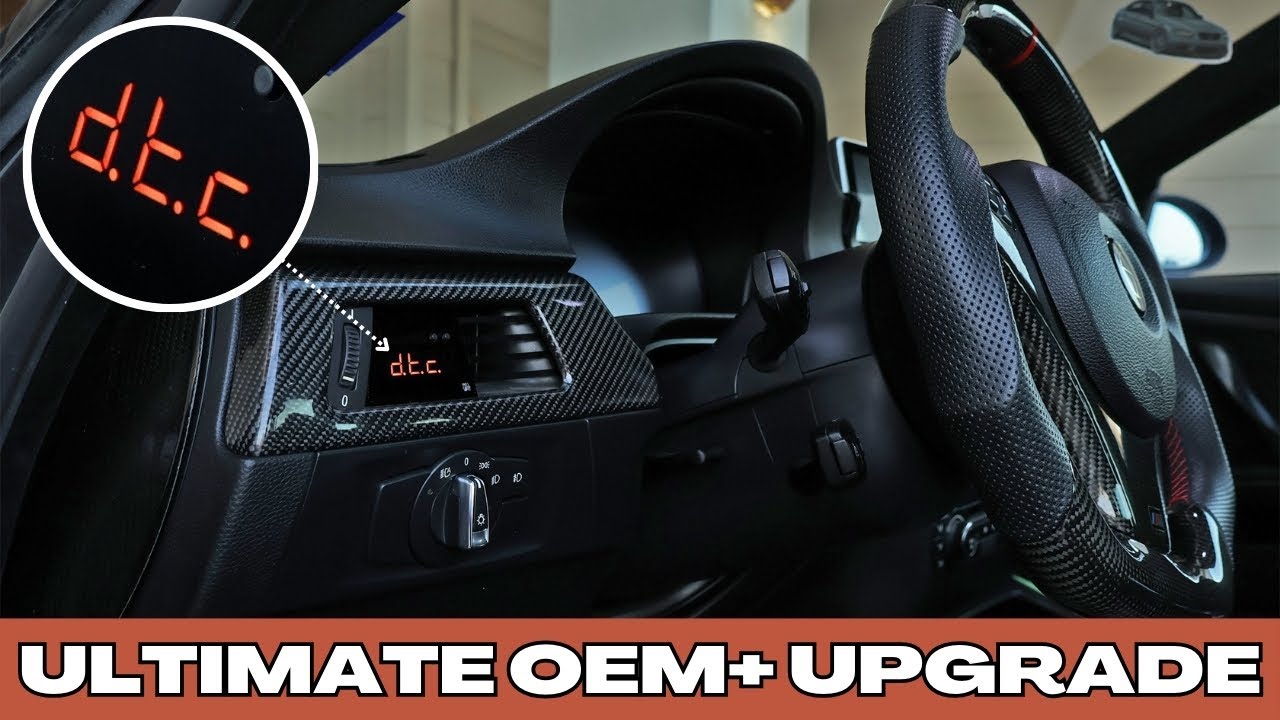
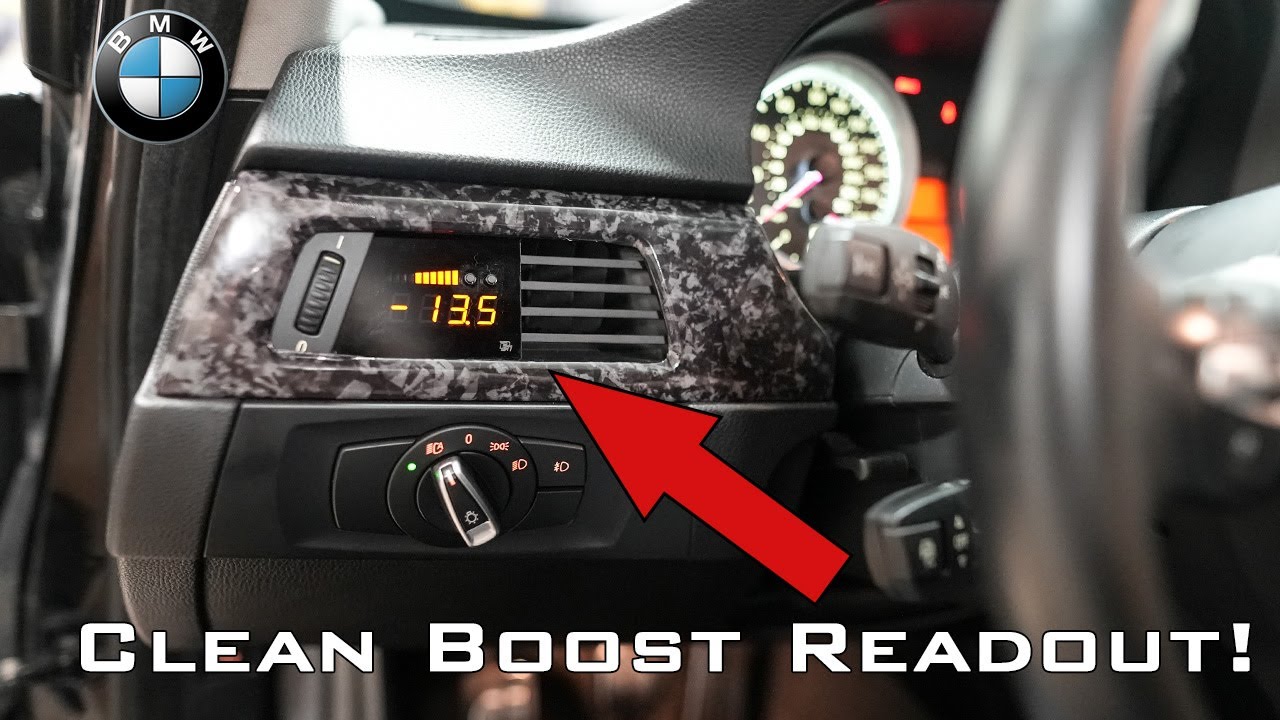
How to install a P3 gauge in your BMW E90 3 series. This also applies to other BMW 3 series of the same generation. A big shoutout to P3 gauges for hooking me up with this setup, a link to this will be included in the video description. #bmw #p3gauges #bmw3series
P3 V3 OBD2 - BMW E9X Gauge (2008-2013) - https://www.p3cars.com/bmw/p3-v3-obd2...
Website: http://4diyers.com
Patreon: / 4diyers
Facebook: / 4diyers
Twitter: / 4diyers
Instagram: / 4diyers
Tumblr: / 4diyers
Pintrest: / 4diyers
Tools/Supplies Needed:
-standard screwdriver
-phillips screwdriver
-nylon trim tool
-cable ties
-side cutters
-hot glue
-torx drivers
Chapters:
00:00 Intro
00:21 Vent Removal
00:45 Unboxing
01:29 Vent Modification
04:22 Interior Disassembly
Procedure:
We are required to remove the vent on the driver side. Using a nylon trim tool, gently pry at the edges and slowly work the trim piece out.
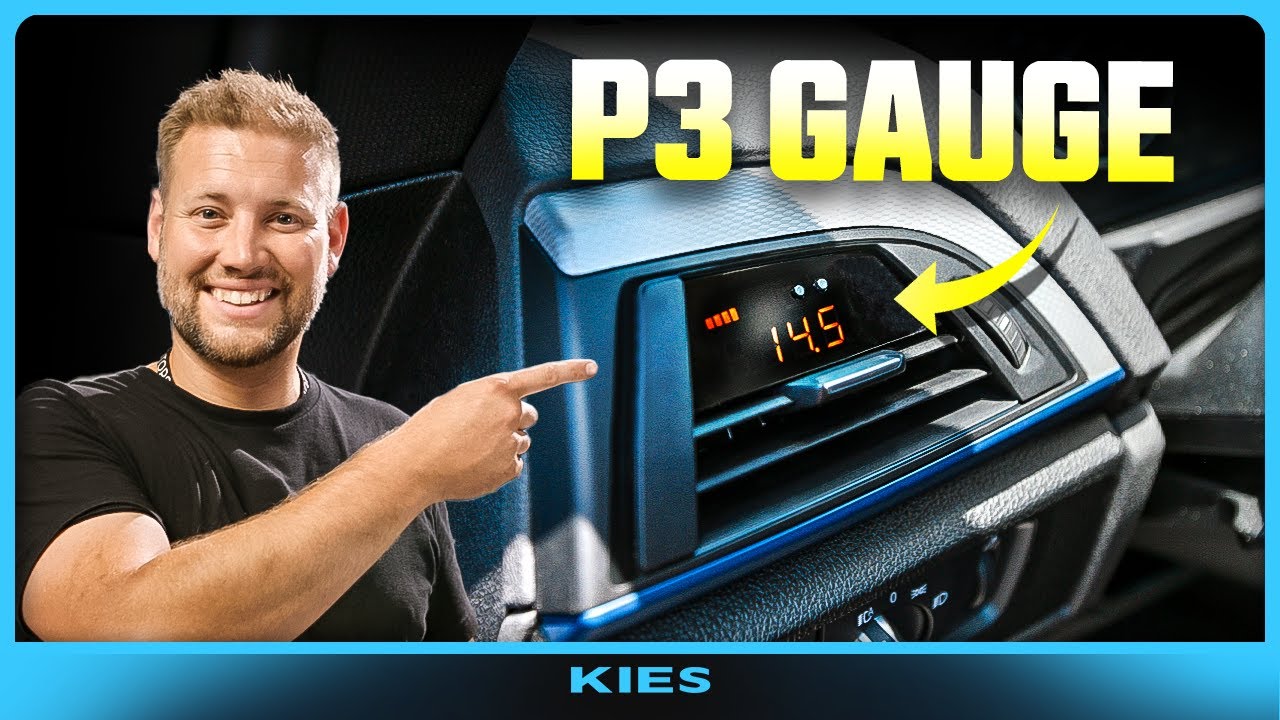
Now for the unboxing. First we have the digital gauge panel with the new vent. This will replace the existing vent. With this gauge being installed on a diesel, it does require an additional analog boost sensor as the current gauge cannot pull the values from the OBD2 port. This will also be much more accurate. Also included are the module box, some vacuum lines, cable ties, and some extras like a key chain, decals, etc.
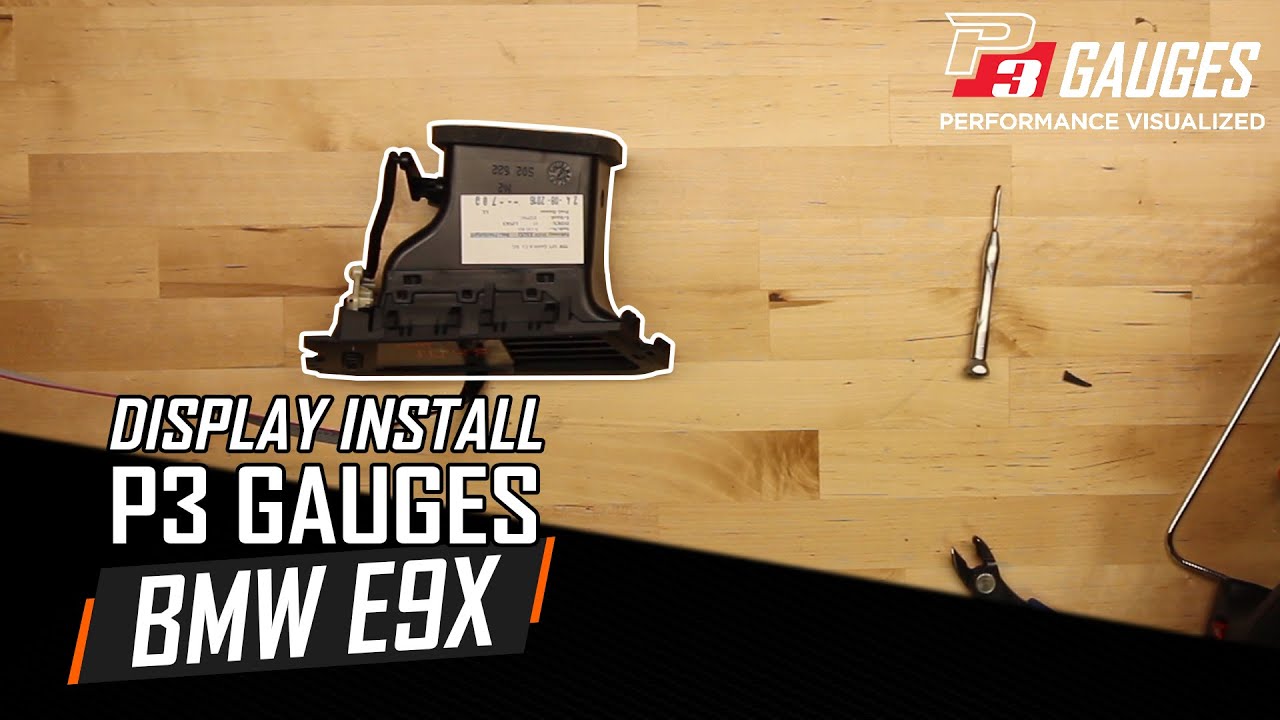
Using a small standard screwdriver, go around the outside of the vent disconnecting the clips. Gently pry the vent from the trim.
The outer trim part needs to be separated from the plastic duct. Again use the small standard screwdriver to disconnect the clips. Once disconnected, unclip the vent flap lever.
Using the standard screwdriver again, remove the louvers. Remove those rear diffusers, you’ll need to disconnect the tabs to pop them out of place.
Once out, we can remove the diffuser flap furthest on the left. This will give us room for the wire on the backside of the digital panel.
Now this piece can be installed back into place.
Install the wire into the duct and then clip in the new gauge panel.
You’ll need to make a notch in the back of the duct to make room for the wire.
I used rubbing alcohol to clean the surface inside the vent so the wire could be glued into place. Hot glue is just used here, due to the tight space I just put a drop on the tip of the screwdriver and then applied it to where the wire goes.
More glue when then applied when I was happy with its position. A spot was cleaned with rubbing alcohol again and glue was applied to the outside to hold the wire in place. After that a small cable tie was applied to the outside.
The ties were trimmed with side cutters. The outer trim piece is then clipped back into place. The linkage is snapped into place.
Finally the vent can be snapped back into the trim panel.
For the installation. Remove the T20 screws along the bottom of the panel under the dashboard. There should be 3 in total. Remove the screws for the hood handle and for that kick panel. Both are a phillips, don’t mix them up as they are different.
Unclip it from the center console and then pull the panel out under the dashboard. You’ll need to disconnect the speaker wires, the footwell light, and the fiber optic connector. The small electrical component was also removed on the left side, I spread the clips apart and then pulled it straight off.
Remove the plastic trim along the door edge, this simply pulls straight off.
If a clip is left behind, a trim tool can be used to pull it off and then reinstall it back on the trim.
Remove the kick panel, it has two clips. Disconnect the trunk switch in behind. One stayed in place and that’s fine as I can slide it back into place when reinstalling.
Feed the wire from the gauge inside the dash opening and down to the underside. You’ll see some factory wiring there, I ran the gauge wiring beside this.
Let the wire fall under the dash, then pull it out as you’re feeding the new gauge in place. Finally snap the panel back into place.
Connect the wire from the gauge to the module box.
Then connect the analog boost sensor and OBD2 port connection.
Connect the OBD2 wire to the port on the vehicle.
Now is cleaning up the wiring with cable ties. I left it a little longer at the OBD2 port so another scanner can be connected if needed and this connector can be pulled off to the side.
Reinstall all components in reverse of removal.
Thank you to all those who watch my videos and support my content. Don't forget to subscribe to my channel for future tutorial videos and like my video if you found it helpful. New videos are always being uploaded every week!
© 4DIYers 2013
All Rights Reserved
No part of this video or any of its contents may be reproduced, copied, modified or adapted, without the prior written consent of the author.
Повторяем попытку...

Доступные форматы для скачивания:
Скачать видео
-
Информация по загрузке:










![Chicago Soul | Marvin Gaye Inspired 1970s Soul — Mercy & Grace [Unreleased Album]](https://imager.clipsaver.ru/YTytykkOygg/max.jpg)

