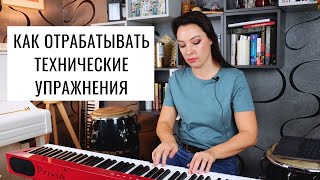
How to Instantly Relax Your Hand Playing Moonlight Sonata
Автор: Helen Aun
Загружено: 2025-12-27
Просмотров: 1131
Описание:
Mastering Beethoven's Moonlight Sonata requires more than just memorization. One of the most common yet often overlooked challenges is eliminating hand and wrist tension while playing the first movement.
Bring comfort back to your practice
join now: https://helenaun.com/piano-masterclas...
In this video, we focus specifically on how subtle issues in right hand technique can lead to discomfort while performing the iconic triplet passages.
Through careful observation and mindful adjustments, you can achieve effortless motion with your right hand, allowing your wrists to remain relaxed and your expression to remain fluid.
When performing the Moonlight Sonata, many pianists develop tension in their wrists due to a fixed or locked position of the hand.
This static posture, especially during the delicate triplets of the first movement, restricts natural flow and causes fatigue.
If you find that your right hand is overly rigid or anchored in place while playing, it's essential to reevaluate the way your wrist interacts with the keys.
A common mistake is not allowing enough rotational or relaxed motion from the hand and arm.
In this video, we break down how to identify a tense wrist using direct visual cues and guide you through methods to correct it.
By loosening your wrist and building flexibility in your right hand movements, you can eliminate unnecessary stiffness that hinders your overall performance.
This small modification enhances your tone and lets you deliver the soft yet emotionally powerful atmosphere that Moonlight Sonata’s first movement demands.
Understanding the technique behind smooth triplet movement can dramatically influence your interpretation of Moonlight Sonata.
Instead of forcing each note, learning to guide your hand with lightness and precision helps maintain emotional depth while staying relaxed.
We analyze how playing with a locked wrist limits your expression and give you simple tools to replace it with a more natural motion.
Whether you’re a passionate amateur or a developing performer, this is vital knowledge for classical piano players who want to improve their technique and avoid physical strain.
Beethoven’s music relies on emotional nuance and technical control, especially in quiet, sustained passages like those in the first movement of the Moonlight Sonata.
Improving your piano hand mechanics and releasing wrist tension ensures you can fully convey the beauty of the piece.
Practicing correct wrist position and right hand mobility will not only prevent injury but make your playing more dynamic, expressive, and free.
Make sure to subscribe and comment below if this helps you better understand your piano technique.
Share your experience with Moonlight Sonata or your journey with classical piano. We’d love to hear from you and help you keep growing as a confident pianist.
Hi, I'm Helen Aun! I'm a peak performance coach, Alexander Technique teacher, and business mentor for pianists and piano teachers. With over 25 years of experience as a professional pianist and educator, I help musicians play with confidence and ease, and build successful careers.
What I Do:
Founder of The Helen Aun Institute, dedicated to helping pianists thrive artistically and financially.
Help pianists overcome performance anxiety and physical pain.
Subscribe for tips on peak performance, injury prevention, and business growth tailored for pianists and piano teachers! 🎹🚀
#PianoPerformanceTips #AlexanderTechniqueForMusicians #PianoTeacherBusiness #MusicCareerDevelopment #PeakPerformanceCoaching #PianoInjuryPrevention #MusicBusinessStrategies #PianistMindset #PianoTeachingTips #PianoCareerGrowth #MusicianSuccessStories #pianotips #moonlightsonata #beethoven #classicalmusic #pianotechnique #wristtension #tripletmotion #relaxyourhand #painfreepiano #musicianwellness #pianolearning #pianomistakes #pianocoaching #shorts
Повторяем попытку...

Доступные форматы для скачивания:
Скачать видео
-
Информация по загрузке:


![Holy Forever - Bethel Music [Piano Tutorial & Playthrough]](https://ricktube.ru/thumbnail/NlfRt2bNOO4/mqdefault.jpg)