Patch-wise Attention Enhances Fine-Grained Visual Recognition: An In-Depth Analysis
Автор: Harpreet Sahota
Загружено: 2024-06-05
Просмотров: 34
Описание:
You don't usually think of two things in the same sentence: creepy crawlies and cutting-edge AI.
However, this combination will improve agriculture because if we can accurately identify insect species, we can protect our crops and ensure food security.
The paper "Insect-Foundation: A Foundation Model and Large-scale 1M Dataset for Visual Insect Understanding" buzzes into the world of precision agriculture, tackling the need for accurate insect detection and classification.
It hatches a novel dataset, "Insect-1M," swarming with 1 million images of insects, each meticulously labelled with detailed taxonomic info.
The Problem
In precision agriculture, accurately identifying and classifying insects is crucial for maintaining crop health and ensuring high-quality yields. Existing methods face several challenges:
Current insect datasets are significantly smaller and less diverse than needed. For instance, many datasets contain only tens of thousands of images and cover a limited number of species. Given the estimated 5.5 million insect species, this is inadequate, leading to poor generalization and coverage for practical applications.
Existing datasets often fail to provide the fine-grained details needed to distinguish similar insect species. Many datasets lack multiple images per species, diverse angles, or high-resolution images that capture subtle, distinguishing features. This makes it difficult for models to differentiate between species with minor but crucial variations.
Many datasets do not include comprehensive taxonomic hierarchy or detailed descriptions. They often provide basic labels without deeper taxonomic context, such as genus or family levels. This limits the models' ability to learn effectively, as they miss out on the rich relational information within the insect taxonomy.
The Solution
The authors propose two main contributions: the "Insect-1M" dataset and a new Insect Foundation Model.
Insect-1M Dataset
Contains 1 million images spanning 34,212 species, significantly larger than previous datasets.
Includes six hierarchical taxonomic levels (Subphylum, Class, Order, Family, Genus, Species) and auxiliary levels like Subclass, Suborder, and Subfamily.
Provides detailed descriptions for each insect, enhancing the model's understanding and training.
Insect Foundation Model
The Insect Foundation Model is designed to overcome fine-grained insect classification and detection challenges.
Here's a detailed overview of its components:
Image Patching
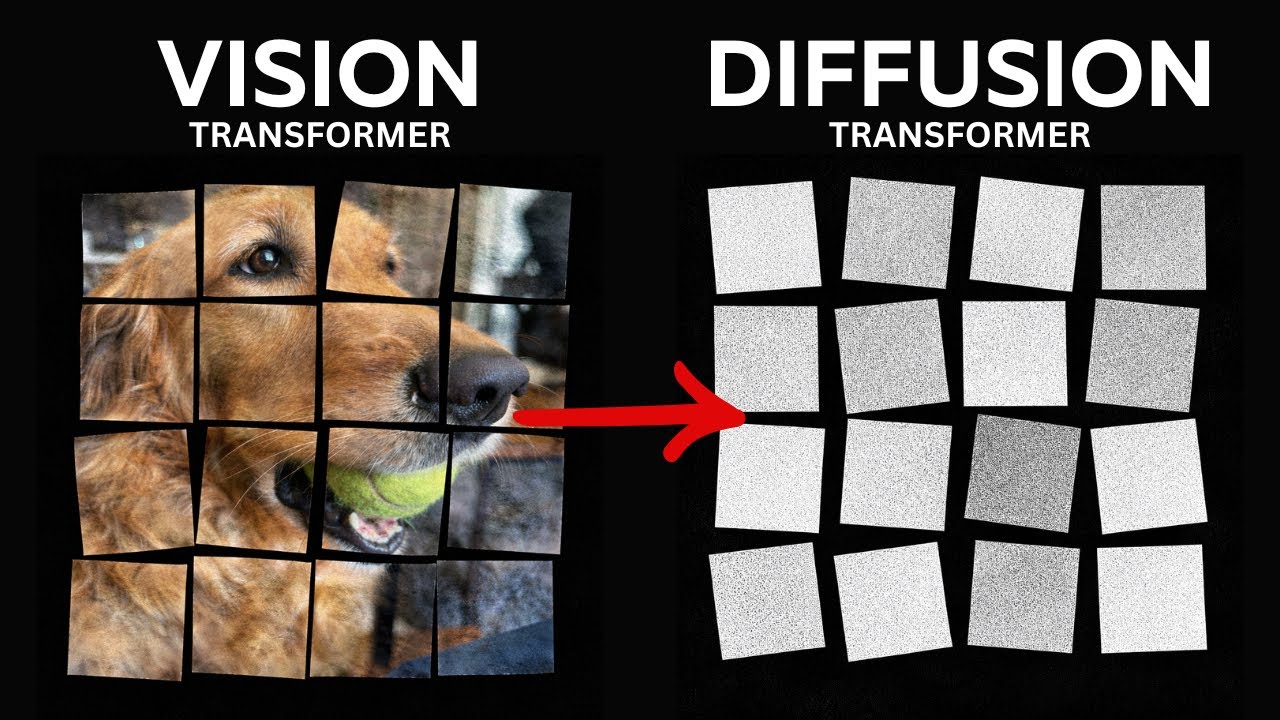
Patch Extraction: Input images are divided into smaller patches, allowing the model to focus on localized regions of the image.
Patch Pool Creation: These patches form a pool the model uses for further processing.
Patch-wise Relevant Attention
Relevance Scoring: Each patch is assigned a relevance score based on its importance for classification. This is done by comparing patches to masked images, highlighting subtle differences.
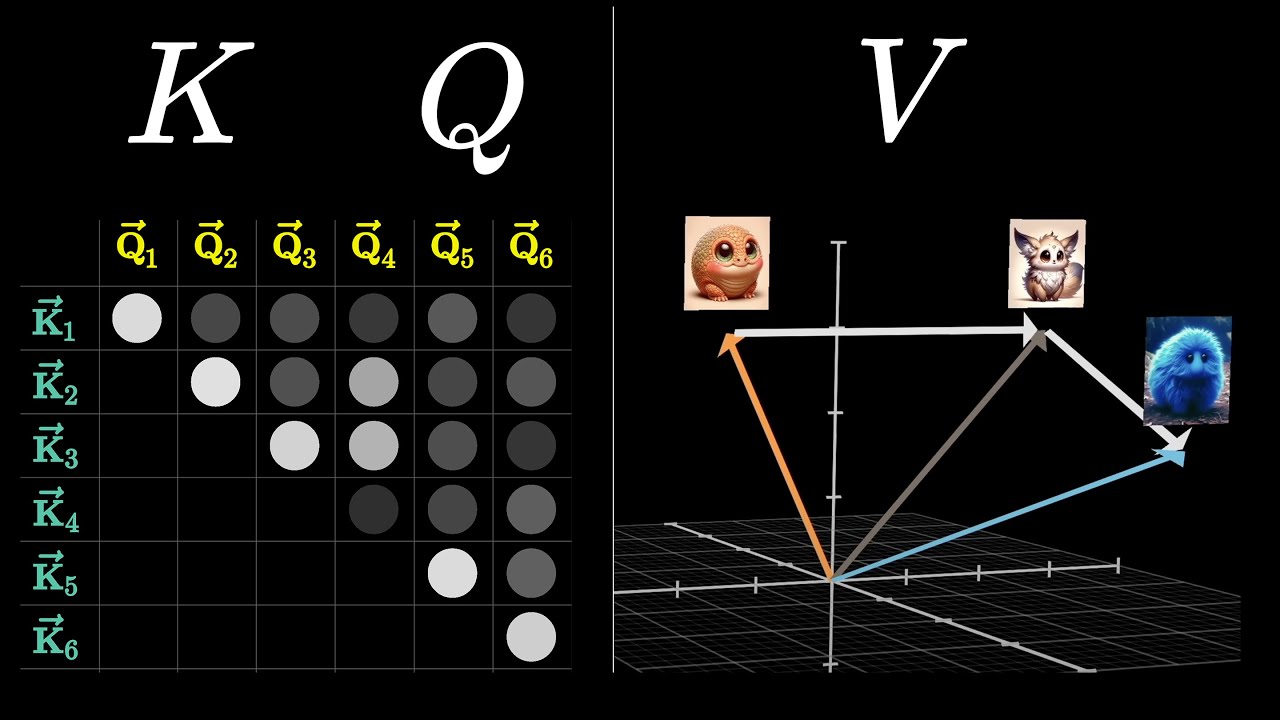
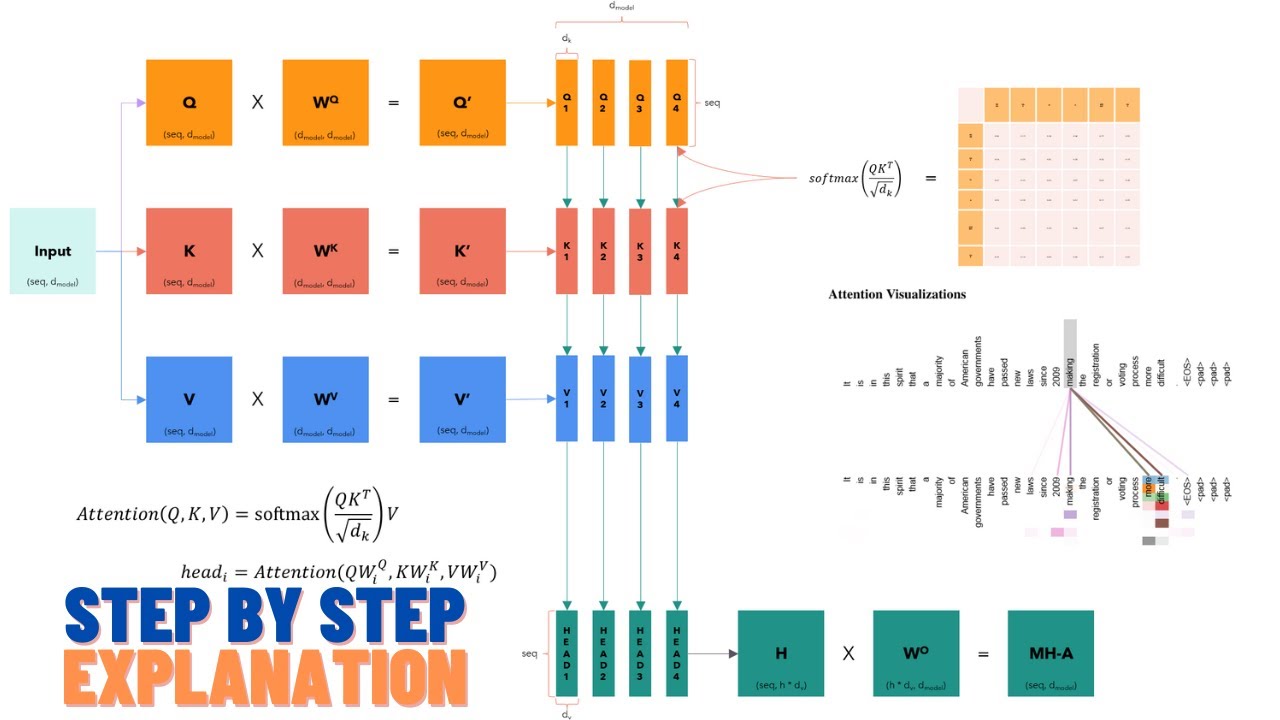
Attention Weights: Patches with higher relevance scores are given more attention, guiding the model to focus on the most informative parts of the image.
Attention Pooling Module
Aggregation of Information: The attention pooling module aggregates information from the patches, using the attention weights to prioritize the most relevant features.
Feature Extraction: This process helps extract detailed and accurate features to distinguish similar insect species.
Description Consistency Loss
The model incorporates a description consistency loss, which aligns the visual features extracted from the patches with the textual descriptions of the insects.
Text Encoders
1. Feature Extraction: The text decoders extract semantic features from the textual descriptions. These features encapsulate the essential information conveyed in the descriptions.
2. Alignment with Visual Features: The extracted textual features are aligned with the visual features obtained from the image patches. This alignment is facilitated through attention mechanisms, ensuring that the model learns to associate specific visual patterns with corresponding textual descriptions.
Multimodal Text Decoders
1. Multimodal text decoders create joint representations that combine visual and textual features. This holistic representation captures the intricate relationships between the two modalities.
2. Enhanced Attention Mechanisms: These decoders utilize advanced attention mechanisms to focus on the most relevant parts of the image and the text. This ensures that the model pays equal attention to critical visual details and essential textual information.
3. Contextual Understanding: By integrating visual and textual data, multimodal text decoders enhance the model's contextual understanding, allowing it to make more informed decisions during classification and detection tasks.
Повторяем попытку...

Доступные форматы для скачивания:
Скачать видео
-
Информация по загрузке: