Reflux and Endoscopic Treatment- Dr.Orhan Tarçın's TV Programme
Автор: Orhan TARÇIN
Загружено: 2019-02-28
Просмотров: 1126
Описание:
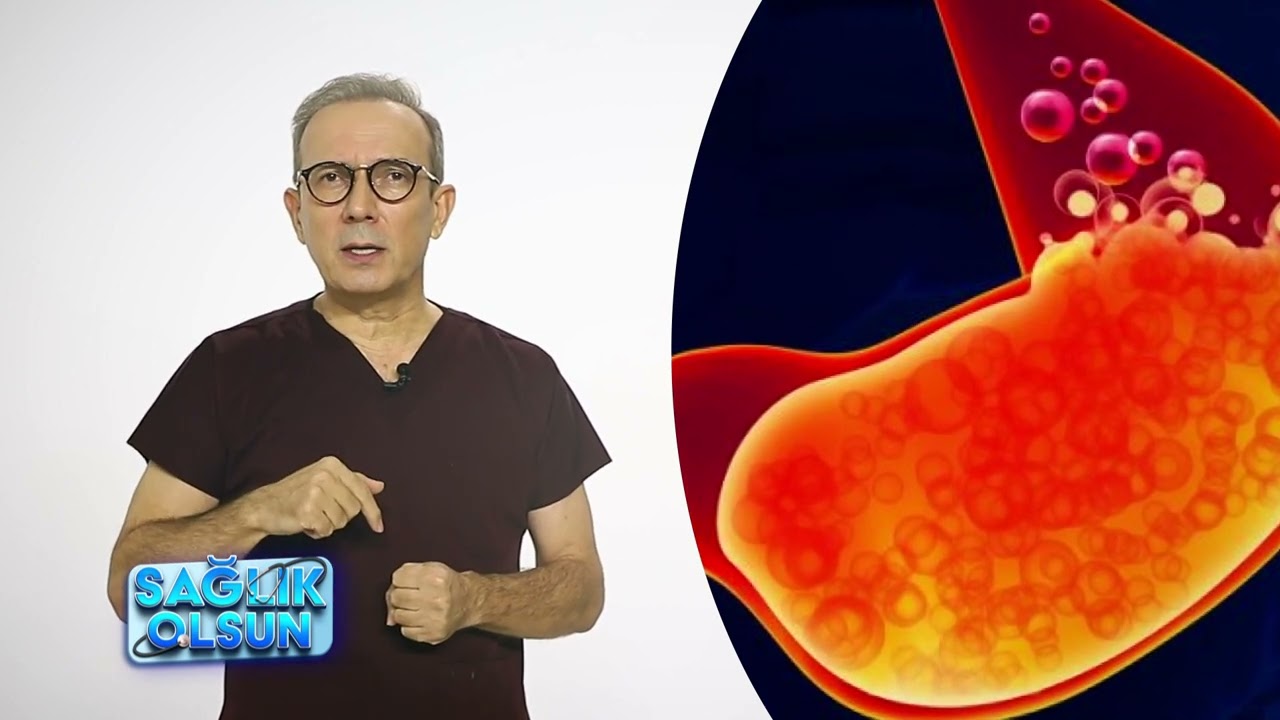
Gastroesophageal reflux disease (GERD) occurs when stomach acid frequently flows back into the tube connecting your mouth and stomach (esophagus). This backwash (acid reflux) can irritate the lining of your esophagus.
Common signs and symptoms of GERD include:
• A burning sensation in your chest (heartburn), usually after eating, which might be worse at night
• Chest pain
• Difficulty swallowing
• Regurgitation of food or sour liquid
• Sensation of a lump in your throat
Reflux disease causes :
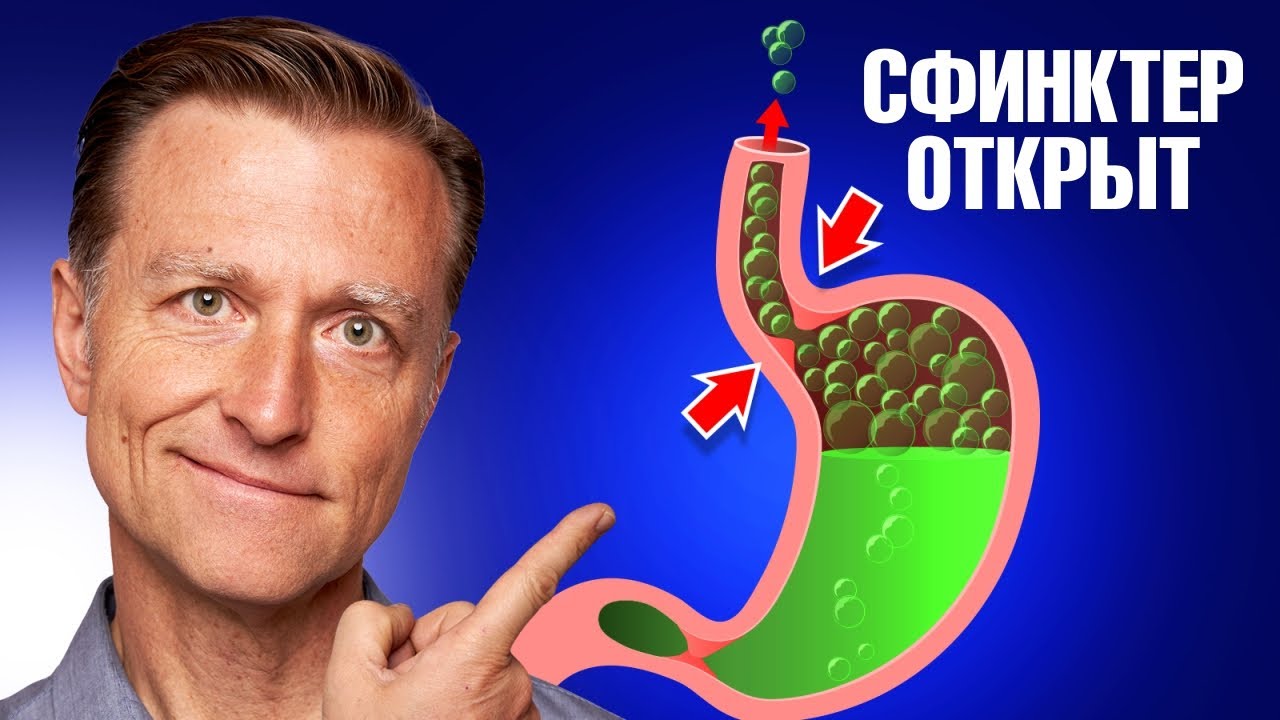
The lower esophageal sphincter (LES) is a circular band of muscle at the end of your esophagus. When it’s working properly, it relaxes and opens when you swallow. Then it tightens and closes again afterwards.
Acid reflux happens when your LES doesn’t tighten or close properly. This allows digestive juices and other contents from your stomach to rise up into your esophagus.
Stomach acid can cause irritation of the lining of the esophagus, larynx, and throat. This can lead to
• erosion of the lining of the esophagus (erosive esophagitis),
• narrowing of the esophagus (stricture),
• chronic hoarseness,
• chronic throat clearing,
• discomfort swallowing food,
Barrett's Esophagus
• Barrett's esophagus is a condition in which the esophagus, the muscular tube that carries food and saliva from the mouth to the stomach, changes so that some of its lining is replaced by a type of tissue similar to that normally found in the intestine. This acid reflux complication doesn't have any defined symptoms of its own, just the usual GERD symptoms.
• People with Barrett's are 30 to 125 times more likely to develop esophageal cancer compared to those who don't have it, but fewer than 1 percent of Barrett's esophagus patients develop this cancer. Nevertheless, it is still important if you're diagnosed with Barrett's esophagus to have regular screenings—usually an upper endoscopic exam and biopsy—for precancerous and cancerous cells.
Nighttime Reflux
When symptoms of gastroesophageal reflux disease (GERD) occur at night, they can be more damaging than if they occur during the day. The evening can set the stage for the following, which can make nighttime heartburn more likely to cause problems:
• Sleeping in a supine position: Lying flat in bed allows stomach acid to flow more easily into your esophagus and stay there for longer periods of time than when you're in an upright position. Even elevating your head and shoulders six to eight inches will help keep stomach acid where it belongs.
• The inability to drink or swallow every time an acid reflux episode occurs: When you have GERD and you're awake during an episode of acid reflux, you often will rinse your mouth or swallow some liquid. Even swallowing saliva helps. When asleep, once the refluxed acid is in your esophagus or throat, you aren't always aware of it and thus you don't take steps to rinse the acid away.
• The increased risk of choking on refluxed stomach contents: If refluxed acid is in your throat and mouth, you can inhale this into your lungs. Once it's in your lungs, it can cause coughing and choking on this aspirated material. The acid can also cause the same damage to your lungs as it can cause when refluxed into your esophagus.
Acid reflux is traditionally treated with proton pump inhibitors. While these synthetic inhibitors are very effective at reducing heartburn, they have also been linked to bone loss and vitamin B12 deficiency when taken consistently.
The main treatment options for acid reflux are:
• PPIs, including omeprazole, rabeprazole, and esomeprazole
• H2 blockers, including cimetidine, ranitidine, and famotidine
• Over-the-counter treatments, such as antacids, which are available to buy online.
• Alginate drugs, including Gaviscon
The main treatment options for people who repeatedly experience acid reflux in GERD are either PPIs or H2 blockers, both of which are medications.
PPIs and H2 blockers decrease acid production and reduce the potential for damage caused by acid reflux.
These medications are generally safe and effective, but like any prescription drug, they are not appropriate for all people with reflux disease and can cause side effects.
Повторяем попытку...

Доступные форматы для скачивания:
Скачать видео
-
Информация по загрузке: