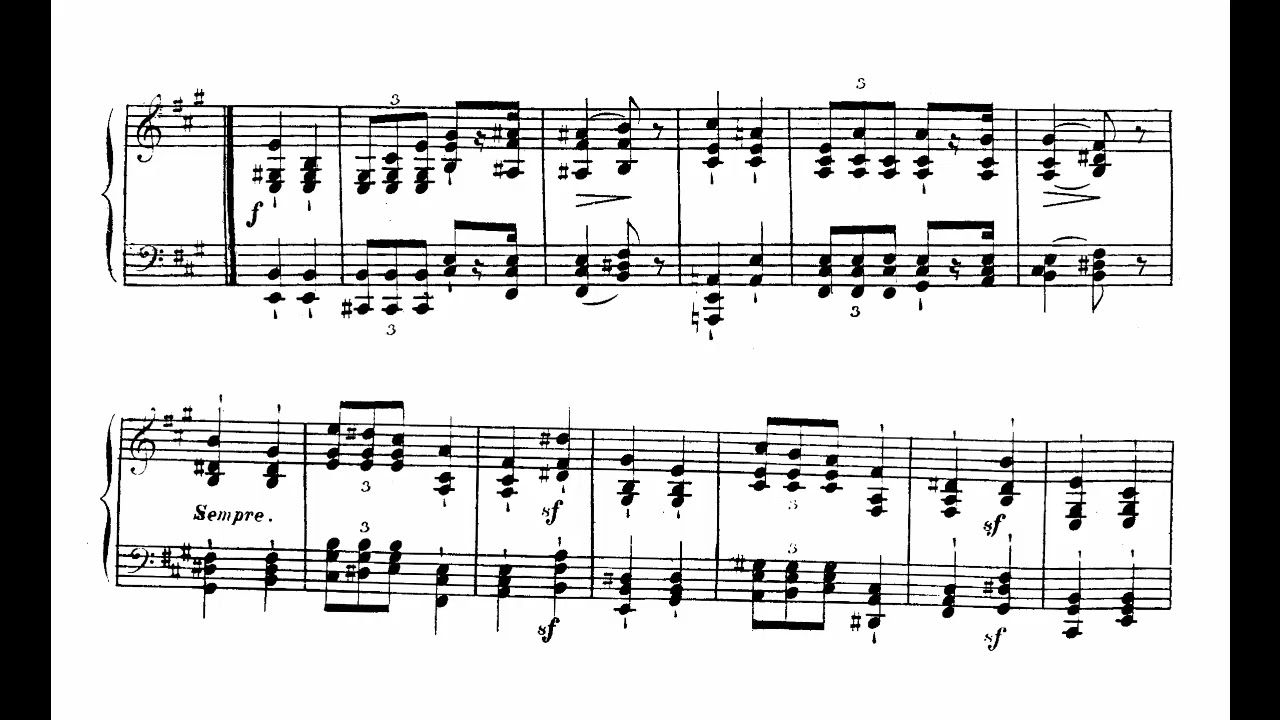
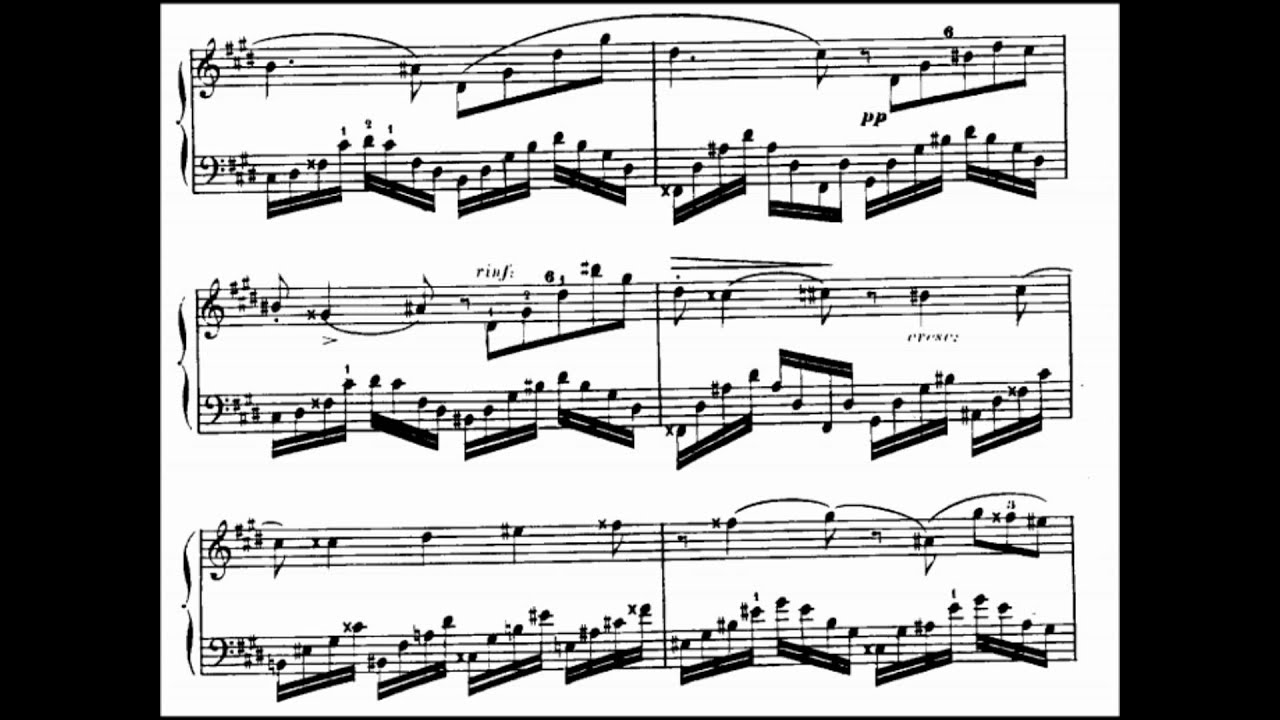
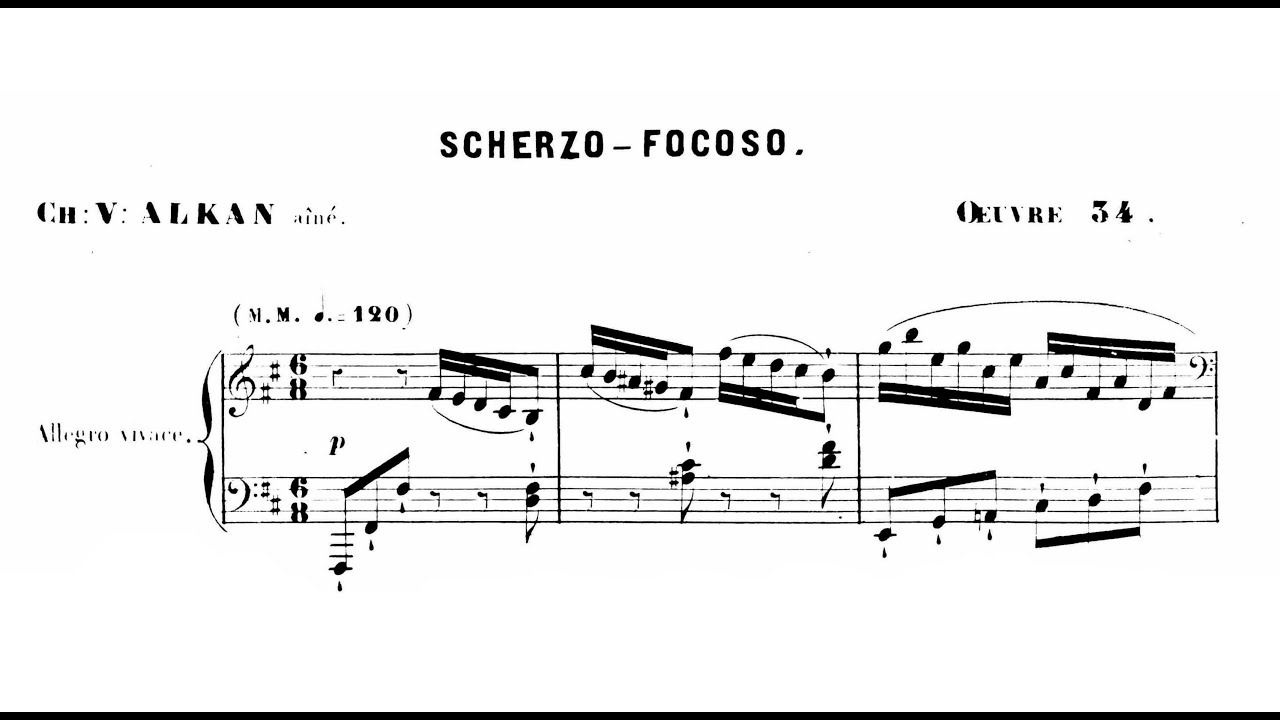
Charles-Valentin Alkan "Zorcico" (Ethan James McCollum)
Автор: OrangeSodaKing
Загружено: 2015-03-29
Просмотров: 5980
Описание:
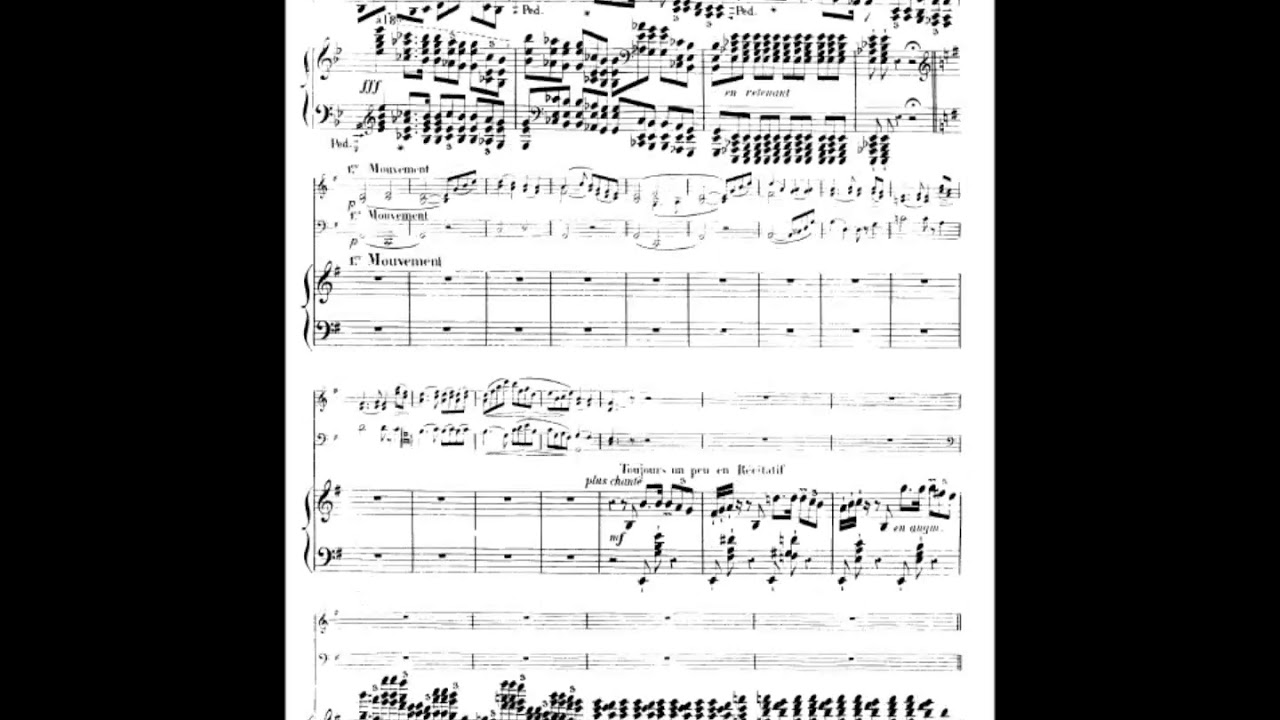
"Danse Ibérienne à Cinq Temps." An odd, slow dance in 5 meter. Replaced the old video with this improved audio recording, and better playing on my part. Also, scrolling sheet music. Hope you enjoy!
This Zorcico is quite a rarity from Alkan's works, although there is fortunately a commercial recording available by Bernard Ringeissen.
Here is a great description of the piece by Adrlan Corleonis from AllMusic:
http://www.allmusic.com/composition/z...
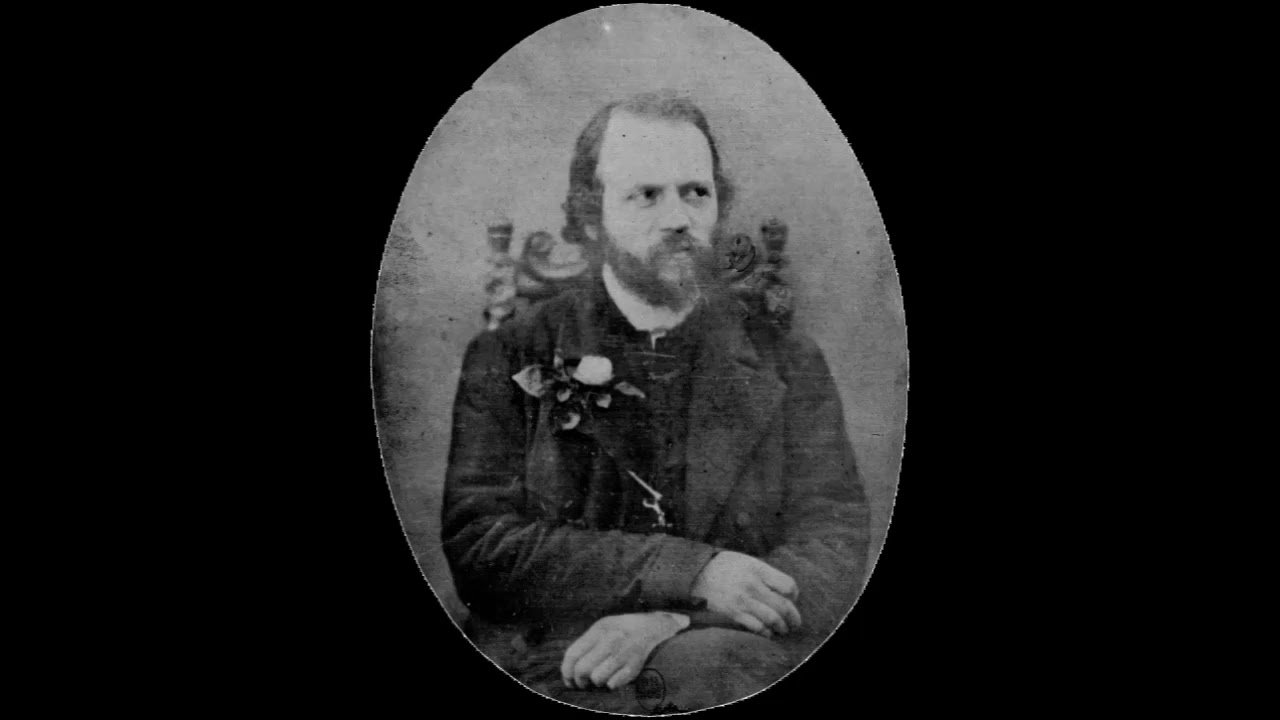
"In his Alkan-Oeuvres choisies, published in 1969, a single item Alkan revival editor Georges Beck included a Zorcico with the laconic note "Found at the Bibliothèque Nationale as a photographic reproduction of the original manuscript. Example of rhythmic research." The manuscript source is another of the frequent enigmas dimpling Alkan lore, though the period of "rhythmic research" may be traced to the late 1840s when his fascination with quintuple time was at its height, evidenced in such things as the 13th of the Préludes (25) published by Brandus in 1847. "J'étais endormie, mais mon coeur veillait..." -- or the 12th of the Études (12) dans les tons majeurs, Op. 35, is a challenging, hypnotically riveting octave study in 10/16, dated August 15, 1847. In these, and the little Fantasietta alla moresca published by the Revue et Gazette musicale de Paris in 1847 (included in the 1e Recueil d'Impromptus issued by Brandus the following year), "research" has been transcended in sheer flair. On the other hand, the three zorcicos of the 2me Recueil d'Impromptus (Brandus, 1849) and the Zorcico published by Beck sound suspiciously studied, with their halting gait, though they are, in fact, unusually close replications of the traditional Basque dance as it has been handed down. Alkan's interest had been prompted by a Spanish acquaintance playing melodies on the small Basque flute (or txistu) with one hand while beating quintuple time on a tambourine with the other. Though the zorcico is realized in different ways for various occasions in the several regions of the Basque country, it is encountered most often as a stately, gravely minor measure in 5/8 with a dotted melodic pattern on the second and fourth beats, and an emphatically heavy, or prolonged, final beat in every phrase or bar, to which eight dancers perform a stylized sword dance. Marked Lourd -- sluggish, heavy, dragging -- the Zorcico of Beck's collection, proudly titled "Danse Ibérienne" with its archaic aura, ritualized gestures, and mesmerizing repetitions, could be authentic. It is curious and even gothic to find Alkan, the resolute Parisian, much given to guying the rustics (e.g., Bourée d'Auvergne or L'homme aux sabots, number 23 of the Esquisses), re-creating, in reclusive solitude, and with psychic sensibility, the solemn motions of a remote and mysterious people. It remained for composers such as Gabriel Pierné and Charles Bordes to domesticate the zorcico to the purposes of cosmopolitan art music."
Повторяем попытку...

Доступные форматы для скачивания:
Скачать видео
-
Информация по загрузке:






![Charles-Valentin Alkan - Deuxième recueil de chants, Op. 38b [1857] (McCallum)](https://imager.clipsaver.ru/drQyL9HbC5o/max.jpg)