DIFFERENCES BETWEEN WEATHER AND SEASON
Автор: GEOGRAPHY MASTERCLASS
Загружено: 2023-09-06
Просмотров: 69
Описание:
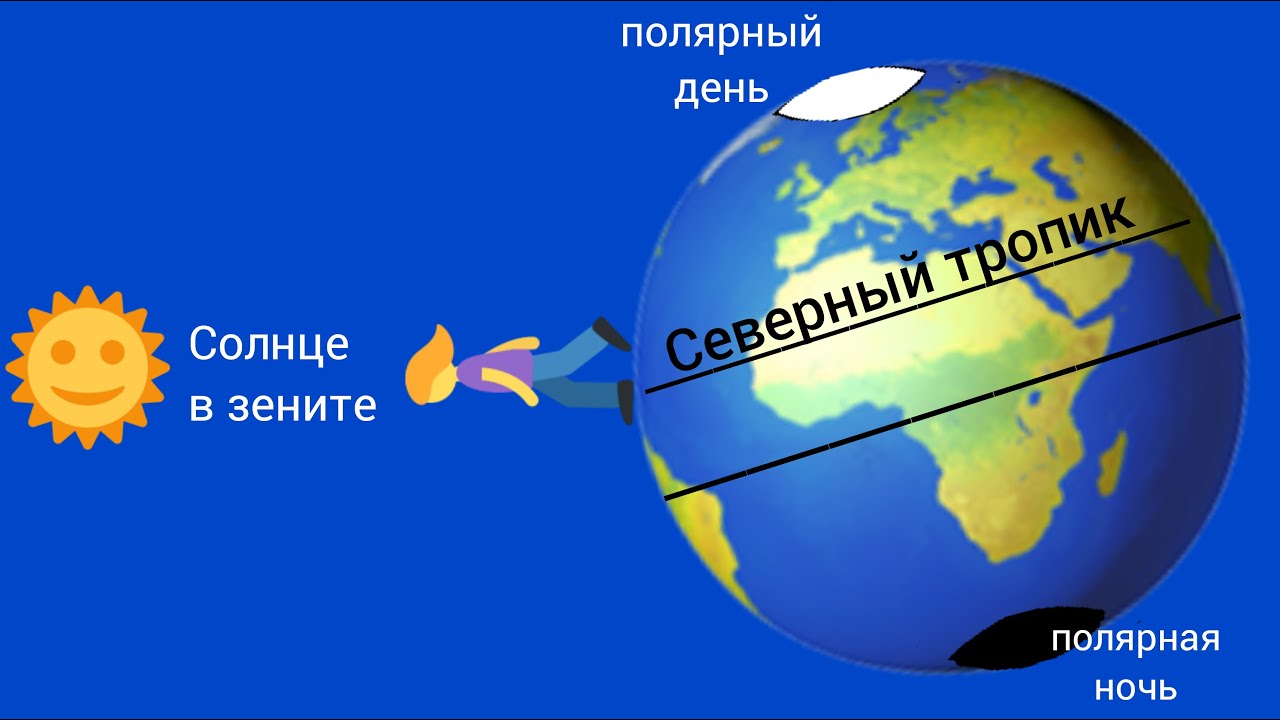
Weather and season are two important terms used to describe atmospheric conditions, but they differ in duration, patterns, and effects on our environment. Weather refers to the short-term conditions of the atmosphere such as temperature, rainfall, wind, and sunshine in a specific place at a specific time. On the other hand, a season is a long-term, predictable period of the year marked by particular weather patterns and daylight hours, influenced mainly by the Earth’s tilt and its orbit around the Sun. In this video, let’s explore the key differences between weather and season to understand how they affect our daily lives.
1. Duration:
Weather changes from hour to hour or day to day, while a season lasts for a longer period, typically several months, following a predictable yearly pattern.
2. Predictability:
Weather can be unpredictable and varies frequently, whereas seasons are regular and consistent, occurring at the same time every year with familiar weather trends.
3. Coverage:
Weather describes conditions in a specific location at a specific time, but a season covers larger regions and affects broad areas over an extended time.
4. Causes:
Weather is caused by local atmospheric conditions such as air pressure, humidity, temperature, and wind patterns, while seasons result from the Earth’s axial tilt and its orbit around the Sun.
5. Measurable Changes:
Weather can shift within minutes or hours, leading to rain, sunshine, wind, or storms, but seasonal changes occur gradually, marking transitions like from summer to autumn or winter to spring.
6. Components:
Weather includes daily events like thunderstorms, heatwaves, or fog, while seasons feature general patterns such as cold winters, hot summers, or rainy monsoons over a few months.
7. Impact on Activities:
Weather directly influences short-term plans like dressing, travel, and outdoor events, while seasons shape long-term activities such as farming cycles, festivals, and tourism trends.
8. Observation Tools:
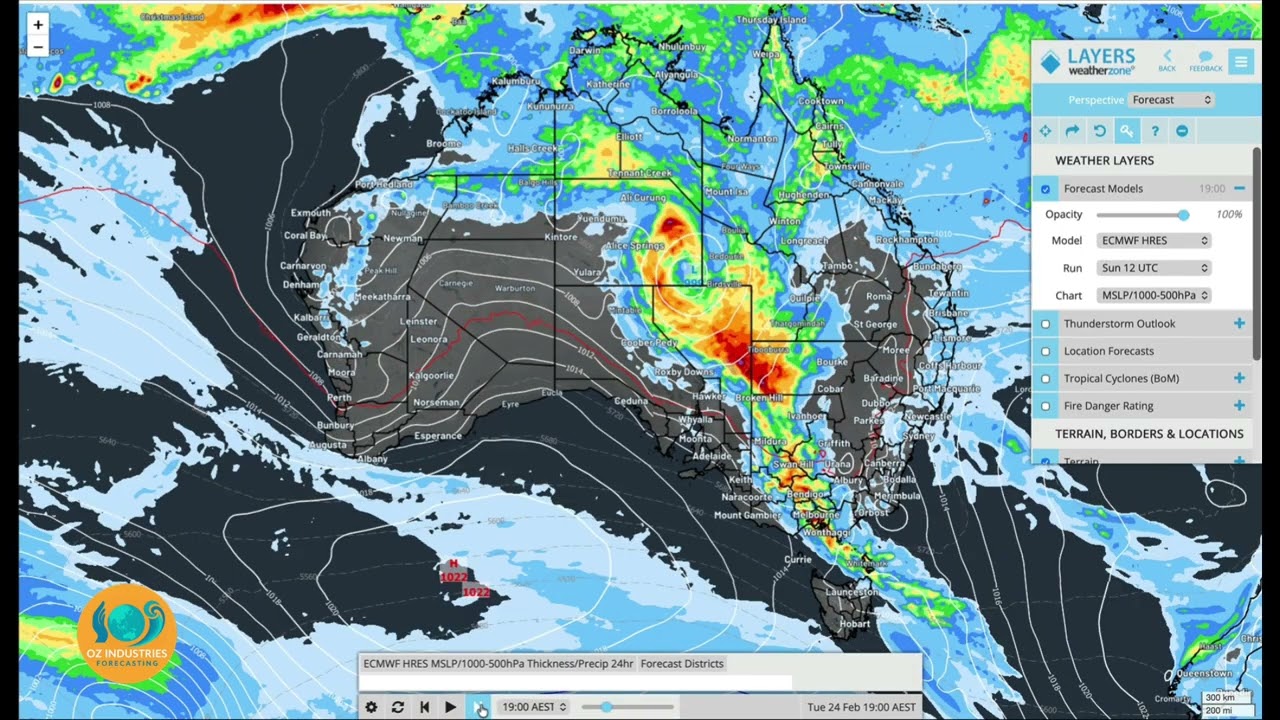
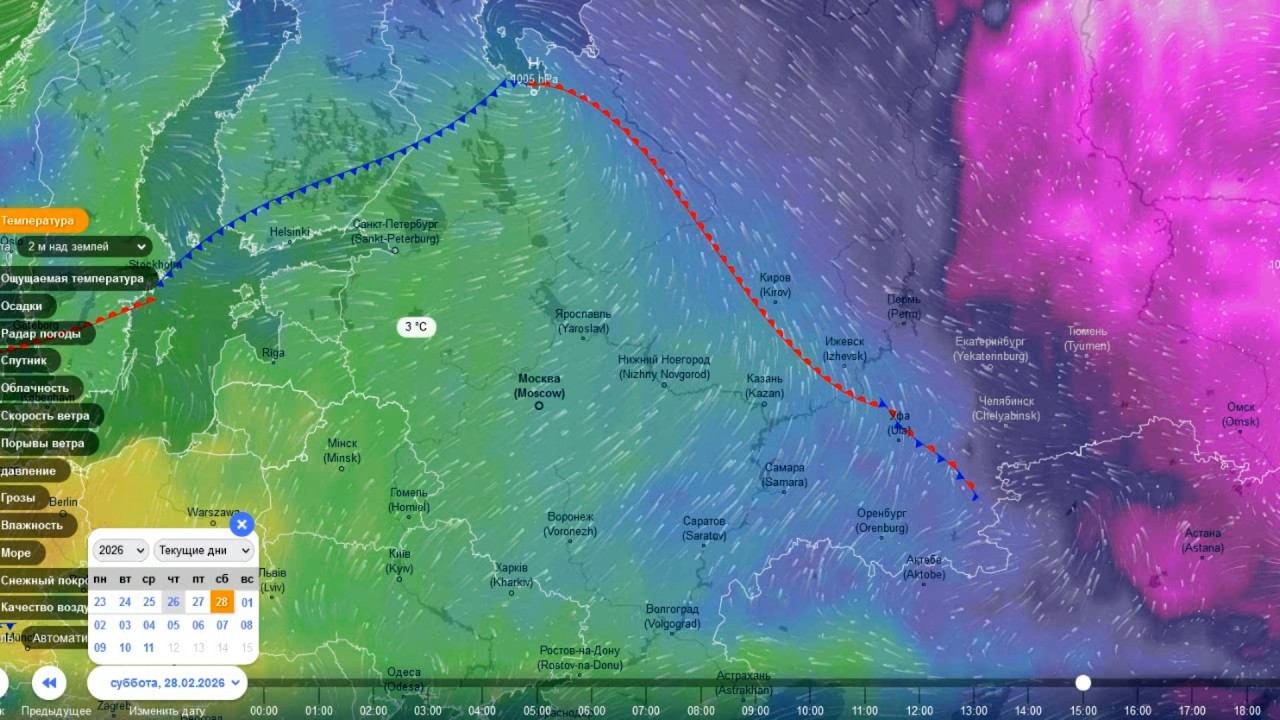
Weather is monitored using instruments like thermometers, barometers, and weather radars, while seasons are tracked based on the Earth’s position relative to the Sun using astronomical observations.
9. Examples:
Common weather examples include a rainy afternoon or a sunny morning, while seasonal examples include summer, winter, spring, and autumn or rainy and dry seasons in tropical regions.
Повторяем попытку...

Доступные форматы для скачивания:
Скачать видео
-
Информация по загрузке: