Kaya kriya, the dynamic body relaxation explained by Dr Ananda Balayogi Bhavanani
Автор: ISCM of Sri Balaji Vidyapeeth
Загружено: 2014-12-16
Просмотров: 17427
Описание:
Dr Ananda Balayogi Bhavanani explains Kaya kriya, the dynamic body relaxation.
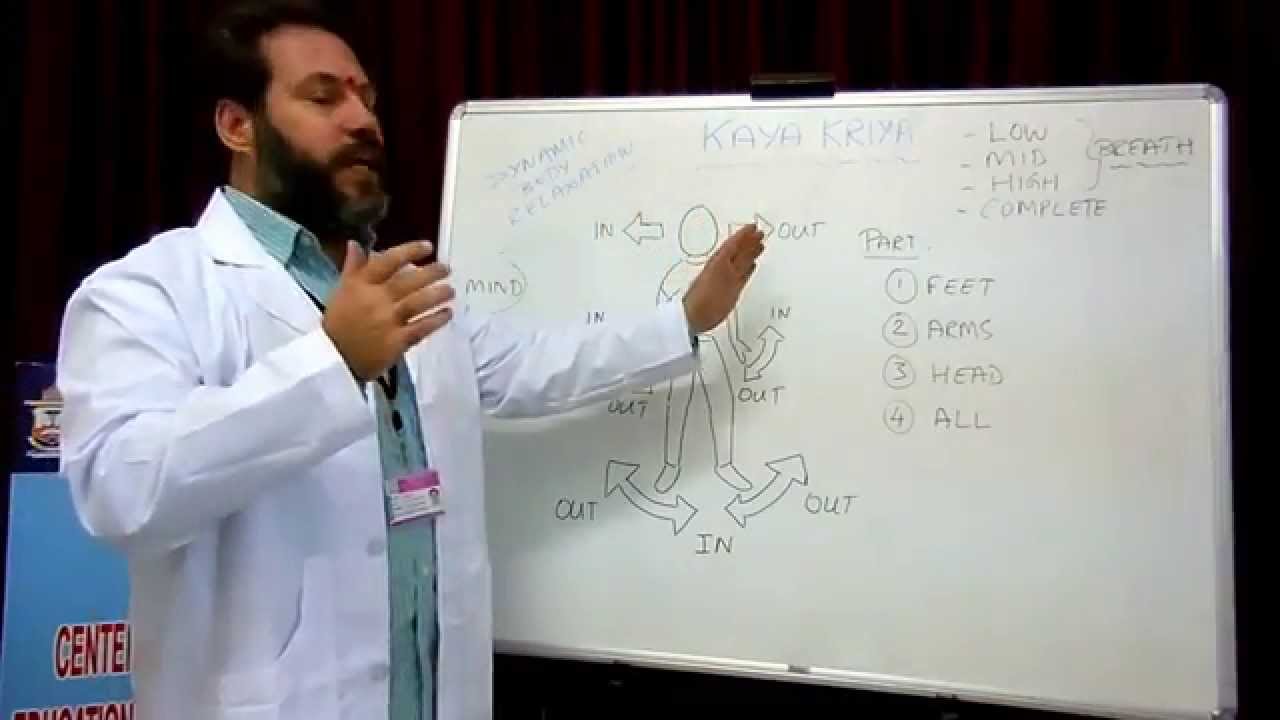
An excellent Yoga Kriya rejuvenating the body by dynamic movement while concentrating upon the breath is to be found in Kaya Kriya, the Yoga technique of whole body relaxation. There are four parts of the Kaya Kriya and each part is related to conscious breathing into the different segments of the lungs.
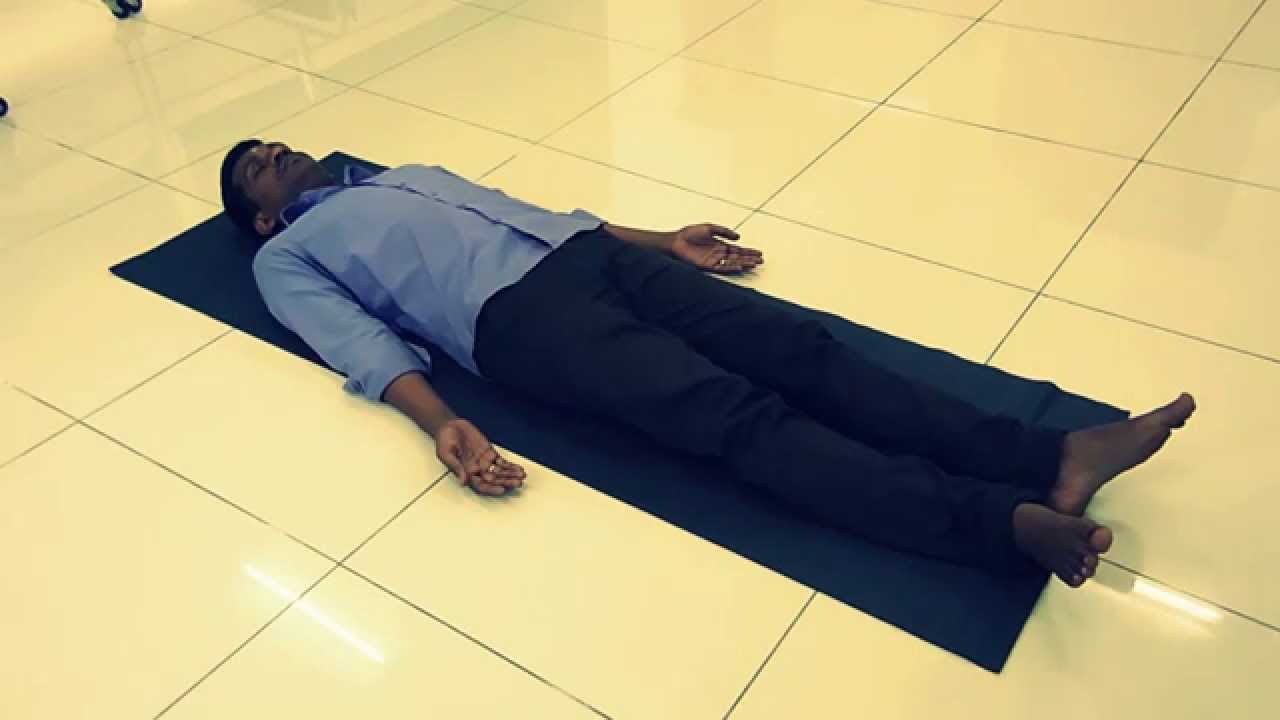
Lie supine on the ground with your head preferably to the north enabling your body to be in alignment with the earth’s electromagnetic field. Make sure that your head and body are in a straight line while your hands are kept relaxed by your side with the palms facing upwards.
To perform the first part of this four part practice, adjust your feet so that they are a foot and a half apart. Perform a few rounds of regular breathing with equal duration for the incoming and outgoing breaths.
As you breathe in turn your toes inward at the ankle until they are touching the ground between your feet. On the outgoing breath, turn your feet out at the ankles until your little toes are touching the ground on the outside.
Continue three to nine rounds of slow abdominal breathing and continue this foot turning action. Turn your feet inward while breathing in and turn them out while breathing out.
After 3 to 9 rounds of this practice let go and relax for a few rounds of deep breathing. Let go of all physical tension and lie still without squirming, fidgeting or feeling the desire to move for a few minutes.
To perform the second part of the Kaya Kriya keep your feet close to each other while your arms are relaxed at your side. Take in a slow, deep intercostal breath and roll your arms along the ground as far out as they can go. Do not lift the arms off the ground, but roll them along the ground like a log being rolled across the ground. On the outgoing breath, slowly roll your arms back inwards until your palms come in touch with the outside of your thighs.
Continue this movement with breathing for three to nine rounds by rolling your arms outwards on the in breath, and then rolling them back to the thighs on the out breath. Make a mental note of the fact that the arms movement is the complete opposite of the earlier leg movement.
After 3 to 9 rounds of this practice let go and relax for a few rounds of deep breathing. Let go of all physical tension and lie still for a few minutes.
To perform the third part of the Kaya Kriya keep your feet close to each other while your arms are relaxed at your side. While breathing deeply into your upper chest, slowly start to turn your head to the right side. As you breathe out, roll your head back to the centre and continue rolling over to your left side. Resist the temptation to roll the head too quickly. Continue this slow head rolling for three to nine rounds.
Finally after a particular outgoing breath, let your head relax in the mid-position and totally let go of all body tension. This tensionless state is called Nishpanda. Let go of all physical tension and lie still for a few minutes.
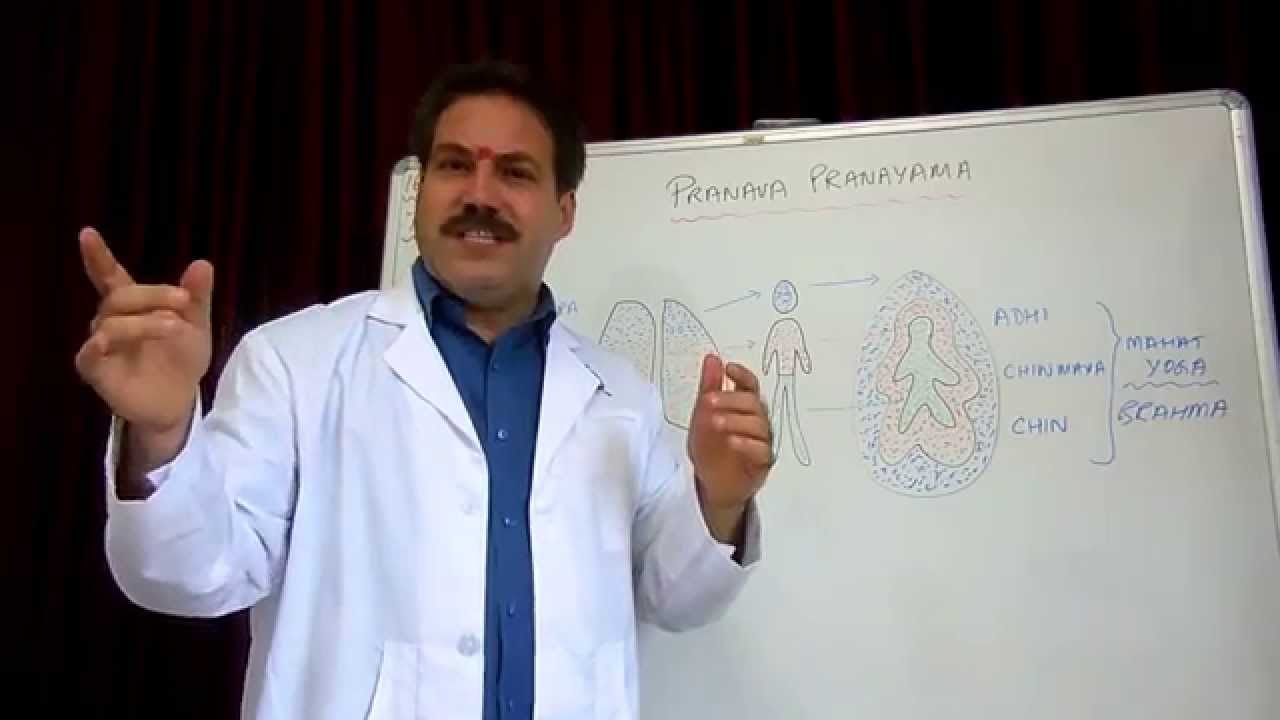
Part 4 includes the combination of the first three parts in tune with the complete breathing in all areas of the lungs in the Mahat Yoga Pranayama. Start rolling your feet inwards on the abdominal inspiration, roll out your arms on the mid chest inspiration, and finally roll your head to the right side with the clavicular inspiration. Release the abdominal breath and roll out the feet until your little toes touch the ground. Continue the expiration from the middle chest and roll your arms inwards until they touch your thighs and while releasing the breath from the clavicular area roll your head from the right side to the left.
Perform nine rounds of this three-part body action in tune with the breath.
Kaya Kriya can be easily learnt by most people and also benefits patients suffering from psychological injuries, as well as emotional and mental tension.
Coordination between body movement and the breath cycle brings about a reunion between the body, emotions and mind. As most breathing disorders are psychosomatic in nature this reunion of the body-emotion-mind complex helps the patient to recover from their troubled condition and attain to as perfect a state of health as may be possible in the given circumstances.
After performing the nine rounds of the Kaya Kriya collapse in the Nishpanda, the deep relaxation state. Let go of all physical tension and lie still for a few minutes.
Повторяем попытку...
Доступные форматы для скачивания:
Скачать видео
-
Информация по загрузке: