Why Cells Have Different Numbers of Mitochondria A Level Biology
Автор: Learn with Miss Sehrish
Загружено: 2026-01-29
Просмотров: 5
Описание:
In this video, we explain important A Level / O Level Biology exam questions related to mitochondria numbers in different cells and a comparison between yeast cells and bacterial cells.
These questions are very common in MCQs, structured questions, and data-handling questions.
🔬 Part 1: Differences in the Number of Mitochondria in Cells
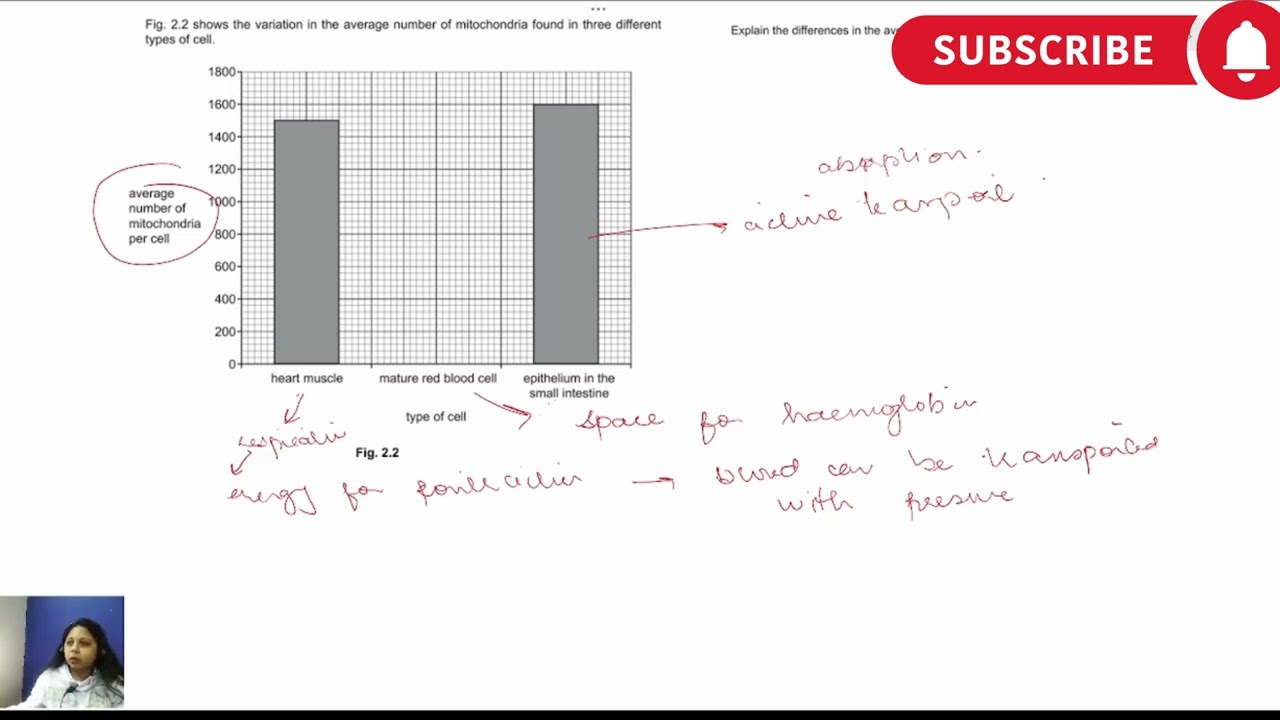
📊 Data Interpretation from a Bar Chart
We analyze a bar chart showing the average number of mitochondria per cell:
❤️ Heart muscle cells → ~1500 mitochondria
🩸 Mature red blood cells → 0 mitochondria
🍽 Small intestine epithelial cells → ~1600 mitochondria
⚡ Why Heart Muscle Cells Have Many Mitochondria
Heart muscle contracts continuously throughout life
Requires a constant supply of ATP
Mitochondria are the site of aerobic respiration
✔ Therefore, heart muscle cells contain many mitochondria to meet high energy demands
🚫 Why Mature Red Blood Cells Have No Mitochondria
Main function: oxygen transport
No mitochondria means:
✔ More space for haemoglobin
✔ Oxygen is not used up for respiration
📌 This adaptation increases oxygen delivery to tissues
🔁 Why Small Intestine Epithelial Cells Have Many Mitochondria
Involved in active transport of nutrients
Active transport requires ATP
ATP is produced by mitochondria
✔ Hence, these cells contain large numbers of mitochondria
🧫 Part 2: Similarities & Differences Between Yeast Cell and Bacterial Cell
✅ Similarities (Very Common MCQ Topic)
Both yeast and bacterial cells have:
Cell membrane
Cell wall
Cytoplasm
Ribosomes
❌ Key Differences (Eukaryotic vs Prokaryotic)
Feature Yeast Cell Bacterial Cell
Nucleus Present Absent
DNA Linear chromosomes Circular DNA
Organelles Present (e.g. mitochondria) Absent
Size Larger Smaller
Reproduction Budding Binary fission
📌 Yeast = eukaryotic
📌 Bacteria = prokaryotic
🎓 Learning Outcomes
After watching this video, students will be able to:
✔ Explain why cells have different numbers of mitochondria
✔ Interpret bar charts confidently
✔ Compare yeast and bacterial cells accurately
✔ Avoid common exam mistakes
✔ Write full-mark biological explanations
📚 Helpful For
A Level Biology students
O Level / IGCSE Biology students
MCQ & structured question practice
Data-based biology questions
Exam revision & concept clarity
🔍 What Students Commonly Search For
Why red blood cells have no mitochondria
Heart muscle mitochondria explanation
Yeast vs bacterial cell differences
Prokaryotic vs eukaryotic cells
A level biology cell structure questions
❌ Common Student Mistakes
Saying RBCs have mitochondria
Forgetting ATP link with mitochondria
Mixing yeast and bacterial cell features
Writing vague explanations without function
💡 Exam Tip
🔑 More energy demand = more mitochondria
🔑 If the cell transports oxygen → no mitochondria
👍 Like • Subscribe • Share
If this video helped you:
✅ Like the video
✅ Subscribe for daily exam-focused Biology lessons
✅ Share with classmates preparing for Biology exams
A Level Biology
Mitochondria
Red blood cell
Heart muscle cell
Yeast vs bacteria
Cell structure biology
Prokaryotic vs eukaryotic
Biology past papers
Повторяем попытку...
Доступные форматы для скачивания:
Скачать видео
-
Информация по загрузке:





![Divine Music - The Year Mix Vol.10 [Chill & Ethnic Deep 2025]](https://image.4k-video.ru/id-video/Q3XBH_FhuKY)


