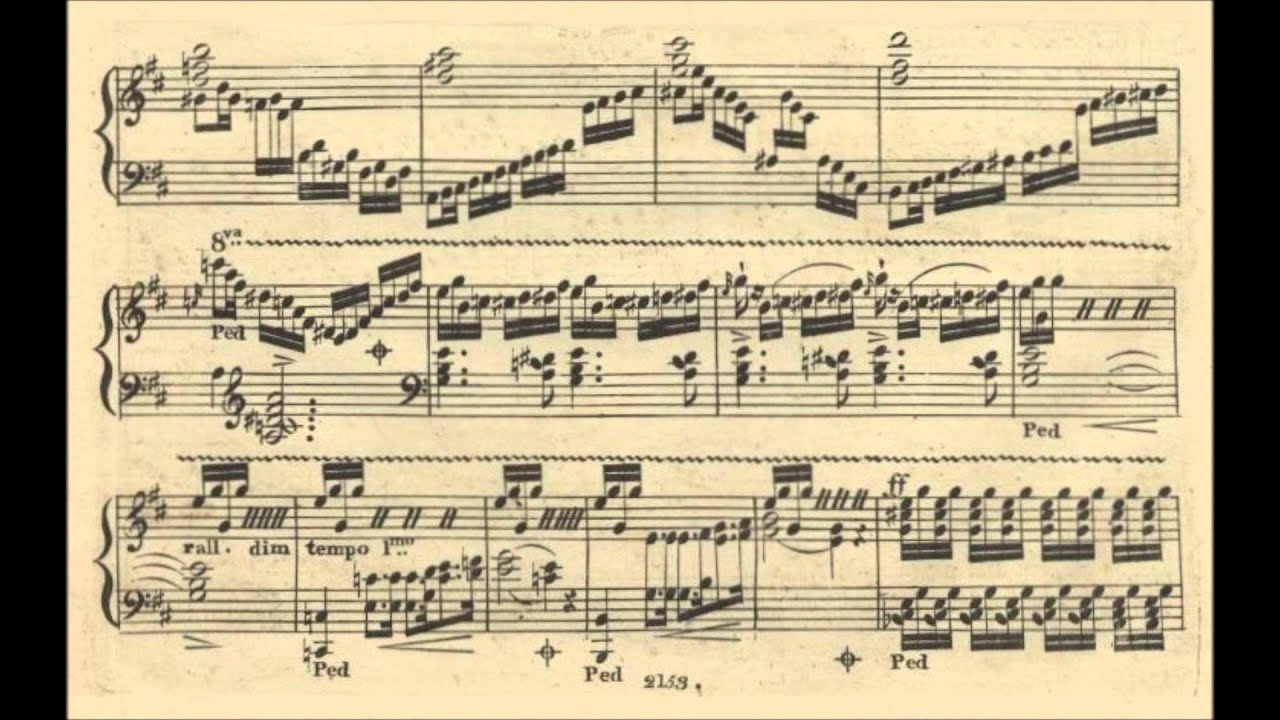
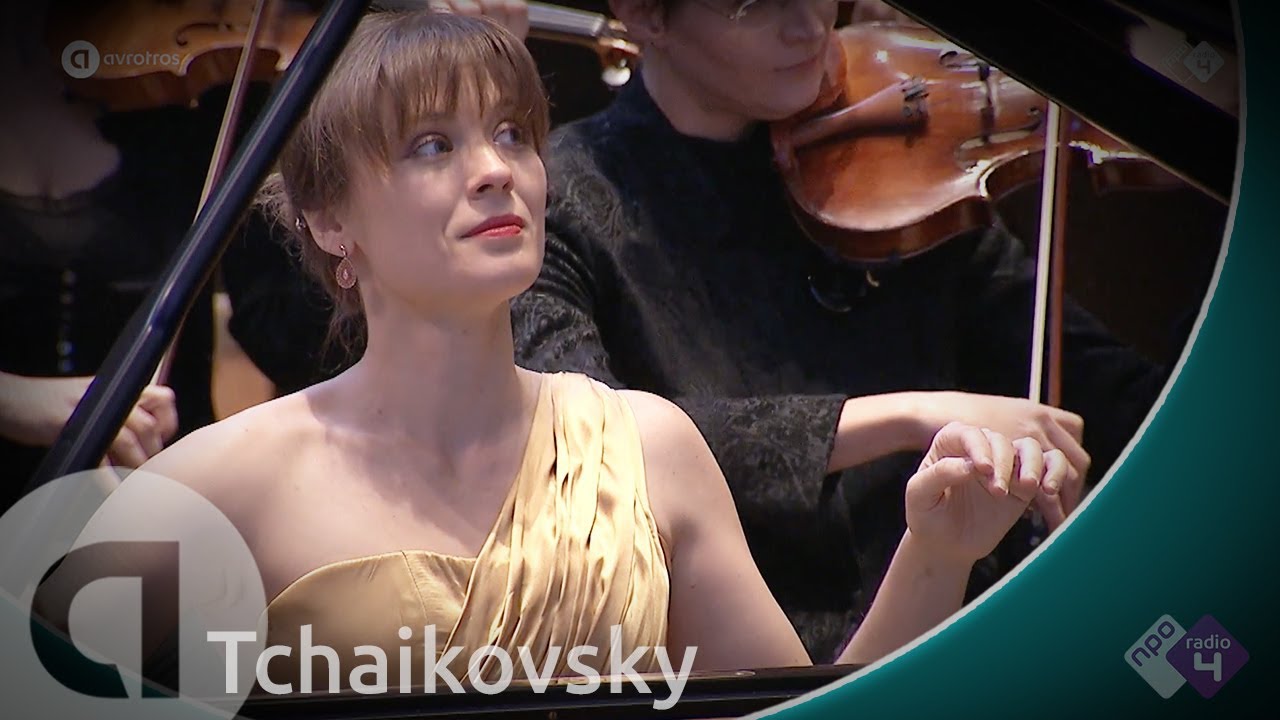
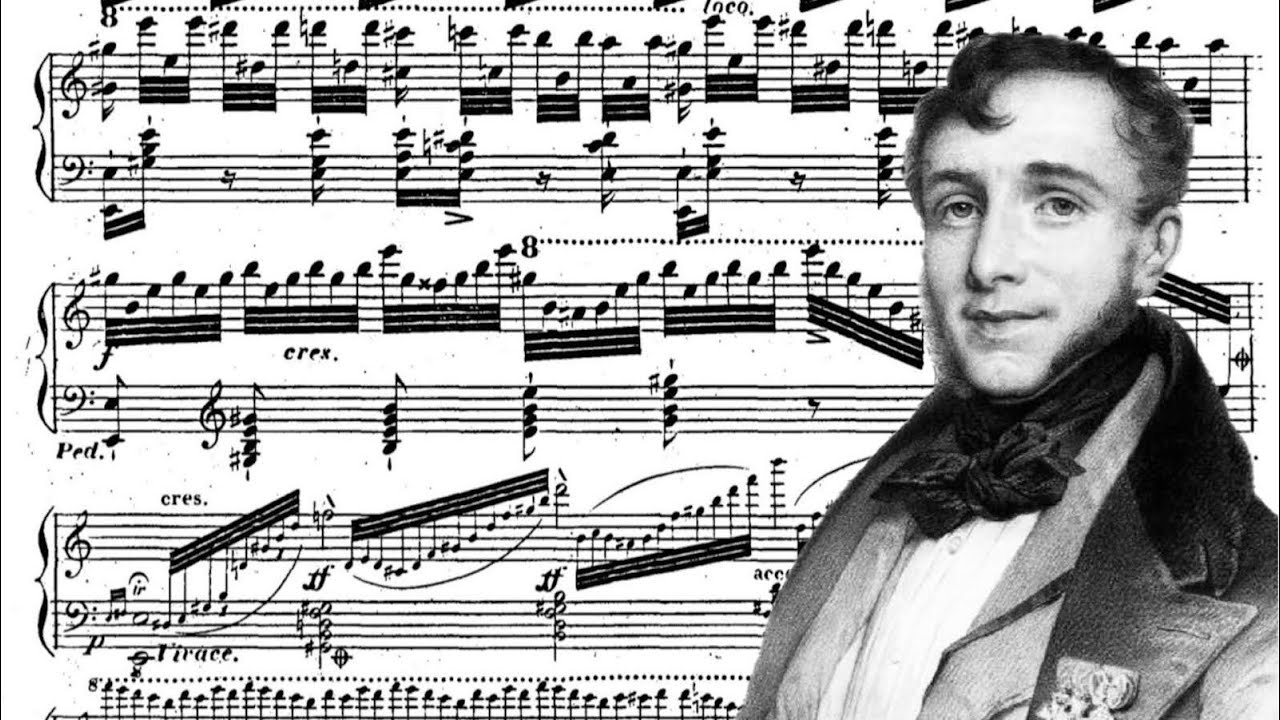
[Score-Video] Mendelssohn - Piano Concerto No 3 in E minor (2 movements) - MWV.O.13 (1844?)
Автор: awsk
Загружено: 2024-08-01
Просмотров: 5074
Описание:
I. Allegro Molto Vivace 0:02
II. Andante 12:17
Reconstructed and completed by R. Larry Todd
Jennifer Eley, piano
English Chamber Orchestra
Between March 1842 and March 1844 Mendelssohn gave serious thought to composing a piano concerto, which, like Op. 64, was to have been in three connected movements, and, furthermore, in the same key, E minor. The impetus for this work may have come from Edward Buxton, of the English music firm, J. J. Ewer & Co. In a letter to Buxton of March 5, 1842, Mendelssohn specifically mentions the idea of a ”3rd [piano] Concerto,” and continues, ”I intend visiting England this spring, and make a stay of some weeks in London, to produce some new compositions I have made; I hope to finish a Concerto till then, and certainly would give you the refusal of it if it shall be the case.” (Letter of March 5, 1842, Mendelssohn to Buxton) As we know, nothing came of the idea then, but two years later, as he contemplated his eighth English sojourn, Mendelssohn wrote to his Leipzig publisher, Breitkopf & Härtel, ”I am thinking of finishing a piano concerto by then [mid-April], when I shall wish to ask you again to bring it safely into the world!” (Letter of March 5, 1844, Mendelssohn to Breitkopf & Härtel).
Though Mendelssohn never finished his ”third” Piano Concerto for England, he did leave an extensive continuity draft for the first two movements and was confident enough even to record several pages in orchestral score for the first movement. These manuscripts survive at the Bodleian Library of Oxford. Of interest to us here is that the piano concerto shares not only its key but certain thematic materials with the Violin Concerto in E minor. Most conspicuously, the second theme of the first movement betrays obvious parallels with the well-known second theme of Op. 64, in which the winds introduce the G-major melody while the solo violin sustains below a pedal point on its G string. The G-major theme for the piano concerto, which appears over a tremolo in the bass, resembles an early sketch for its thematic cousin in Op. 64.
In a similar way, the disjunct motion of the opening E-minor theme of the piano concerto, which traverses the descending fourth e–b, embellished by the leading tone d-sharp, looks forward to the orchestral tutti that closes the first movement of Op. 64.
All in all, the abandoned draft of the third piano concerto impresses as a way-station between the original conception of the violin concerto that gave Mendelssohn no rest in July 1838 and the completed score of September 1844. He thus drew upon some ideas for the violin concerto when he took up the piano concerto; then, after he abandoned that project, the material eventually resurfaced in Op. 64.
This video is for a non-commercial purpose (I do not get any profit from this video), and I do not own the score or the music. If there is an advertisement, it is not by me; it is by Youtube. If you are the rightful owner and want this video removed, please contact me, and I will promptly remove it.
Повторяем попытку...
![[Score-Video] Mendelssohn - Piano Concerto No 3 in E minor (2 movements) - MWV.O.13 (1844?)](https://imager.clipsaver.ru/3D1cJvTynSw/max.jpg)
Доступные форматы для скачивания:
Скачать видео
-
Информация по загрузке:






![[Score-Video] Beethoven - Symphony No.9 Op.125 (Mahler's re-orchestration)](https://imager.clipsaver.ru/KskHs34NNn4/max.jpg)