The Ostrich: Earth's Largest and Heaviest Bird
Автор: Nature maniac
Загружено: 2026-01-17
Просмотров: 1
Описание:
The ostrich, Earth's largest and heaviest bird, is a remarkable creature of the African savannas and deserts, known for its incredible speed and unique survival adaptations.
A Giant on the Run:
Ostriches are entirely flightless; their wings are too small for their massive bodies, and they lack the necessary breastbone for anchoring flight muscles. Instead, they are built for speed on land. Using their long, powerful legs, they can sprint up to 45 mph (72 km/h) in short bursts, the fastest speed of any two-legged animal. Their feet are uniquely two-toed, with one main toe acting almost like a hoof, which aids their running efficiency and provides a formidable defense. A well-placed kick can kill a lion.
Physical and Behavioral Traits:
• Size: They stand up to 9 feet (2.7 meters) tall and weigh over 300 pounds (136 kg).
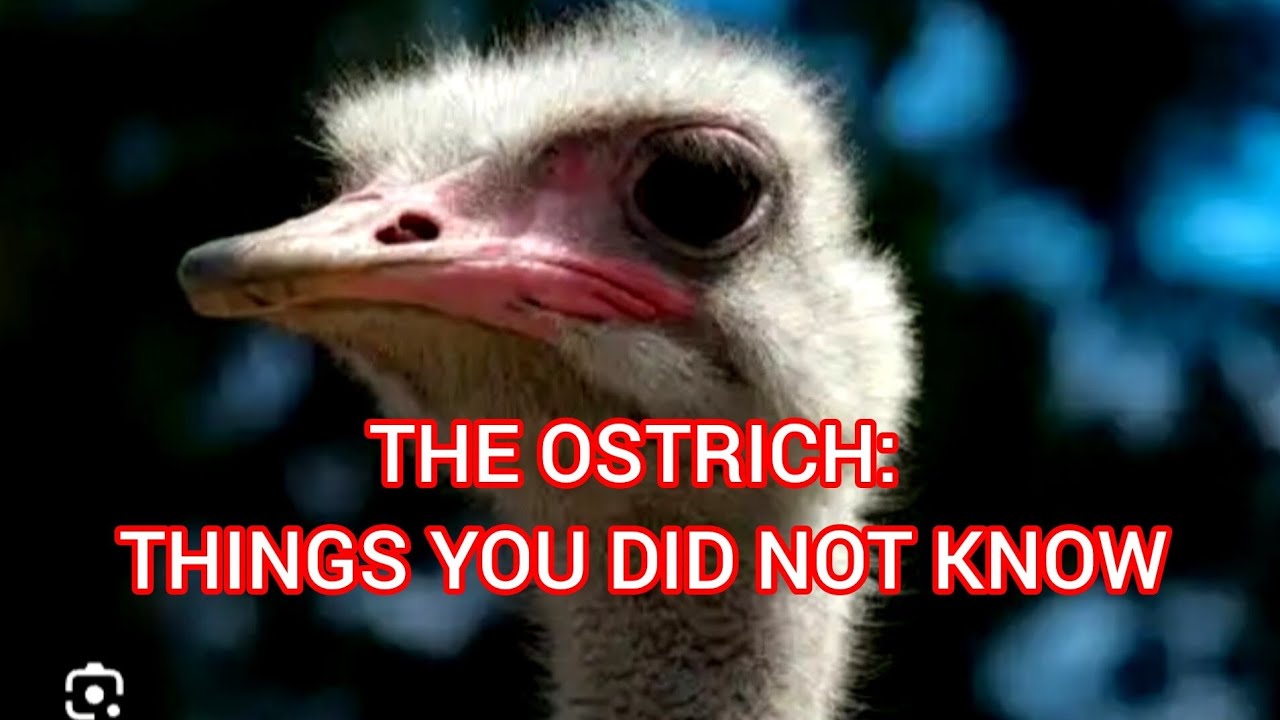
• Vision: Ostriches have the largest eyes of any land animal, about the size of a billiard ball, allowing them to spot predators from great distances. Interestingly, their eyes are larger than their brains.
• Diet: They are omnivores, primarily eating plants, roots, and seeds, but they will also consume insects, lizards, and other small animals. Lacking teeth, they swallow small stones and sand which help grind food in their specialized gizzard.
• Myth Buster: Contrary to popular belief, ostriches do not bury their heads in the sand to hide from danger. When threatened and unable to run, they may lie low with their long necks flat against the ground to blend in with the sandy soil, which from a distance can look like their head is buried.
Life in the Wild:
Ostriches live in nomadic groups called herds, which typically number around 10 to 12 individuals but can sometimes gather in larger flocks. There is a strict social hierarchy with a dominant male and female (main hen). During breeding season, the male performs an elaborate courtship dance to attract females. The females lay their massive (up to 3 pounds) eggs in a communal nest scraped into the ground. The dominant female's eggs are placed in the center for safety, and both the male (at night) and female (by day) take turns incubating them, their plumage colors acting as camouflage.
Conservation Status:
The common ostrich is currently listed as "Least Concern" by the IUCN, but their population is declining due to habitat loss and poaching. The Somali ostrich, a distinct species, is listed as "Vulnerable". Conservation efforts and commercial farming for feathers, meat, and leather have helped protect wild populations in some areas.
#animals #nature #facts
Повторяем попытку...
Доступные форматы для скачивания:
Скачать видео
-
Информация по загрузке: