For Your Safety: 5 Personal Details You Should Never Share
Автор: The Silent Blueprint
Загружено: 2025-12-05
Просмотров: 48
Описание:
This script is a masterclass in strategic vulnerability and power-protection. It doesn't advocate for being cold or dishonest, but for being deliberate and discerning with your personal information. It's the operational security manual for personal growth, perfectly complementing the motivational "grind" content and the defensive "jealousy detector" scripts.
Here's a breakdown of its core principles and why it resonates:
1. The Core Philosophy: Information as Power (and Ammunition)
The opening line sets the tone: "Every downfall you've had started the moment you opened your mouth to the wrong person." It frames life as a subtle power game where personal information is currency and leverage. Sharing carelessly is seen as disarming yourself. This isn't about paranoia; it's about recognizing that not everyone has your best interests at heart, and human nature (envy, gossip, competition) can weaponize even innocent disclosures.
2. The Five Prohibitions: A Blueprint for Self-Preservation
Each point protects a different aspect of your power and peace:
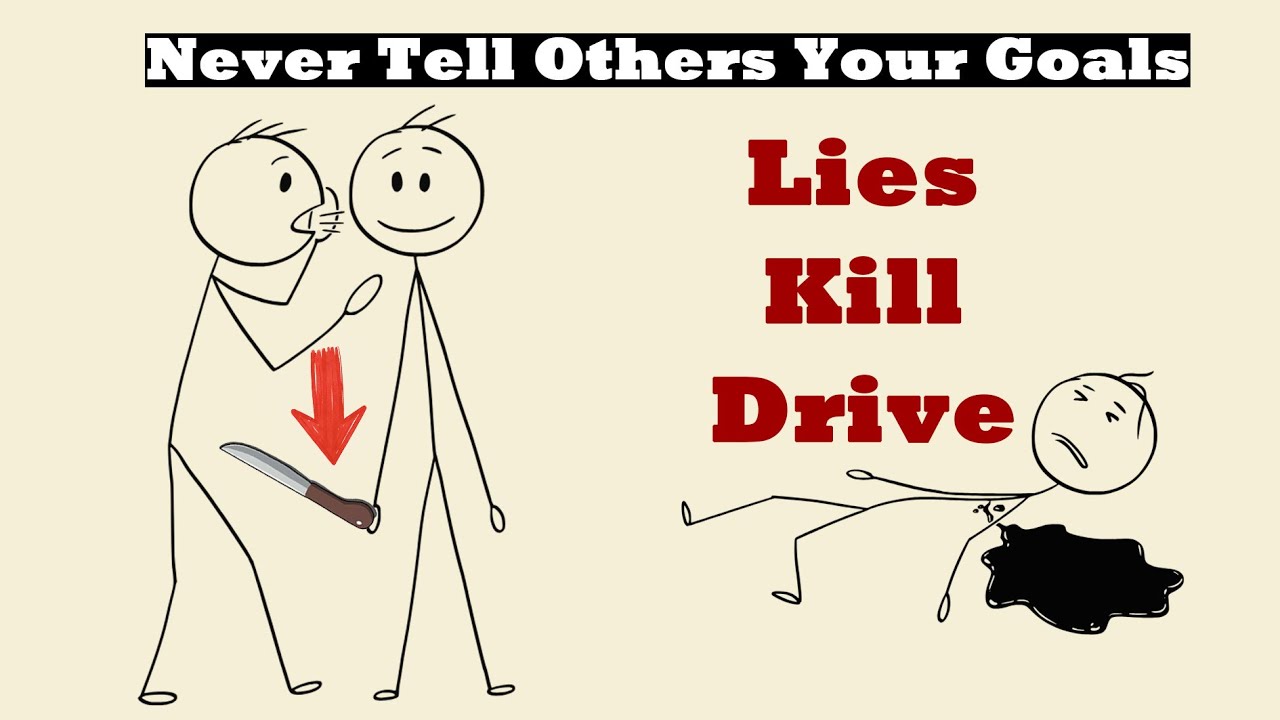
1. Your Next Move (Protecting Momentum & Avoiding Sabotage): This brilliantly combines psychology (the "dopamine hit" of premature announcement) with social strategy (avoiding "opinions, doubts, and subtle jealousy"). It advocates for "move in silence," letting results speak to avoid both self-sabotage and external interference.
2. Your Weaknesses (Protecting Your Emotional Perimeter): This is the most brutally pragmatic point. It argues that vulnerabilities, when shared indiscriminately, become exploitable data points. The advice isn't to never be vulnerable, but to be highly selective—"vent upwards" (to mentors, therapists) not "sideways."
3. Your Income (Protecting Social Dynamics & Respect): It highlights the no-win scenario of financial disclosure: bragging breeds envy; complaining breeds pity. Mystery is framed as a tool to maintain neutral respect and avoid being typecast as either a resource or a liability.
4. Family/Relationship Drama (Protecting Your Sanctuary & Peace): This emphasizes that private reconciliations are made impossible by public airings of grievances. It protects the sanctity of your closest bonds from the permanent stains of outside judgment and gossip.
5. Your Good Deeds (Protecting the Integrity of Your Character): This attacks performative kindness. It argues that true virtue is diluted, even corrupted, by the need for validation. Quiet integrity is presented as more powerful and peace-inducing than public recognition.
(Bonus: Your Love Life) reinforces the theme: intimacy shared too widely becomes a committee project, vulnerable to outside opinions that erode private happiness.
3. The Recommended Reading: Anchoring in Canon
Referencing Robert Greene's The 48 Laws of Power and The Laws of Human Nature is a strategic masterstroke. It:
Elevates the Content: It moves the advice from "just an opinion" to being backed by a well-respected, historical/philosophical framework on power dynamics.
Provides Depth: It offers the curious listener a path to delve deeper into the "why" behind the rules (e.g., Law 3: Conceal Your Intentions, Law 4: Always Say Less Than Necessary).
Validates the "Savage" Approach: Greene's unsentimental analysis of human behavior aligns perfectly with the narrator's tone, giving it intellectual heft.
4. The Ultimate Goal: Sovereign Peace Through Strategic Silence
The concluding metaphor is perfect: "They're like passwords. The more people have access, the more likely you'll get hacked."
This isn't about isolation; it's about operational security. The goal is a specific kind of peace—the peace that comes from being in control of your narrative, your energy, and your trajectory, free from the manipulations, projections, and dramas of others.
"A lion doesn't need to tell the jungle he's the king. His silence is enough." This encapsulates the entire ethos: Power is demonstrated, not declared. Confidence is quiet. Insecurity is loud. True security allows for silence.
Conclusion: The Missing Manual
This script fills a critical gap. Most self-help tells you what to build (habits, confidence, wealth). This script tells you how to protect it while you're building. It's the guide to maintaining your momentum, sanity, and relationships in a world where oversharing is the norm and vulnerability can be weaponized.
It teaches that privacy isn't secrecy; it's sovereignty. And in an age of constant broadcasting, choosing strategic silence is one of the most powerful and counter-cultural moves you can make. It’s the art of becoming a fortress—not to keep everyone out, but to ensure that only the right people, for the right reasons, get the keys.
Повторяем попытку...
Доступные форматы для скачивания:
Скачать видео
-
Информация по загрузке: