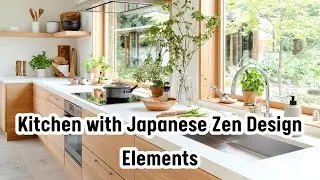
Harmonizing Home Kitchen & Nature: Japanese-Inspired Zen Kitchens and the Power of Natural Elements
Автор: Amika Studio
Загружено: 2023-12-26
Просмотров: 4417
Описание:
Japanese-Inspired Kitchens and the Power of Natural Elements
In the realm of interior design, the kitchen serves as the heart of a home, where culinary artistry meets functionality and aesthetics. Embracing the essence of Japanese design principles in contemporary kitchen spaces has ushered in a harmonious fusion of tranquility, efficiency, and elegant simplicity.
Embracing Japanese Design Philosophy.
Japanese design is renowned for its emphasis on minimalism, balance, and connection with nature. When integrated into contemporary kitchen designs, these principles create a serene culinary environment that fosters both practicality and beauty.
Simplicity Redefined for Form and Function.
Japanese-inspired kitchen designs have captivated homeowners and designers alike with their emphasis on simplicity, seamlessly blending form and function. The core principles of decluttering and streamlining within these spaces transcend mere aesthetics, delivering a harmonious environment that optimizes usability and visual appeal.
The Essence of Decluttered Spaces.
In the realm of Japanese-inspired kitchens, the pursuit of simplicity reigns supreme. This design ethos revolves around clean lines and uncluttered surfaces, creating an atmosphere of tranquility and visual spaciousness. These kitchens are characterized by their minimalist approach, where every element serves a purpose and unnecessary adornments are eschewed.
Streamlined Elegance in Design.
Clean lines and unadorned surfaces are fundamental to the design language of Japanese-inspired kitchens. Cabinets and counters, meticulously crafted, prioritize functionality without compromising on aesthetics. They not only serve as storage solutions but also contribute to the overall ambiance, maintaining an unassuming yet sophisticated appearance.
Harmonizing Japanese-Inspired Kitchens and the Natural Elements
In the realm of modern interior design, Japanese-inspired kitchens stand out for their seamless integration of natural elements, offering a serene haven that marries tradition with contemporary innovation. Embracing the beauty of wood, stone, and bamboo, these kitchens evoke a tranquil ambiance that captivates both the eye and the soul.
1. Embracing Nature's Touch.
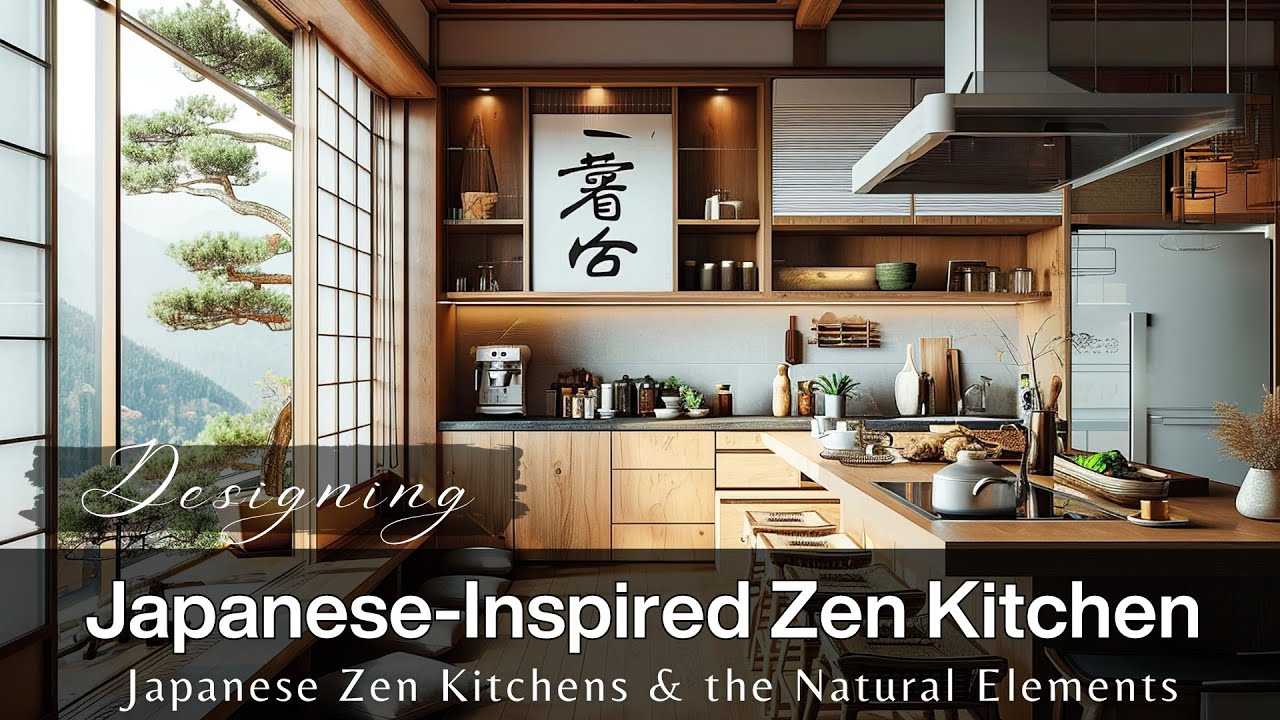
Japanese-inspired kitchens are a testament to the profound influence of natural elements. Wood, revered for its warmth and versatility, often graces countertops and cabinetry, instilling a sense of organic beauty. Stone surfaces exude timeless elegance while adding durability, and bamboo elements introduce a touch of grace and sustainability.
2. Creating Tranquil Spaces.
From the moment one steps into these kitchens, a serene atmosphere envelopes the senses. The careful curation of materials imbues a calming aura, transforming the culinary space into a sanctuary that promotes relaxation and mindfulness. This amalgamation of materials isn't merely aesthetic; it's a deliberate embrace of nature's inherent ability to soothe and inspire.
Mindful Design in Japanese-Inspired Kitchens.
In the realm of kitchen design, Japanese-inspired spaces have emerged as beacons of mindful culinary creativity. These kitchens are thoughtfully crafted to not just meet functional needs but to elevate the cooking experience itself through purposeful layouts and meticulous planning.
Mindfulness in Culinary Spaces.
Japanese design philosophy emphasizes mindfulness, and this extends seamlessly into the kitchen. Purposeful layouts are tailored to encourage a natural flow of movement, allowing chefs to navigate the space effortlessly while preparing meals.
2. Natural Flow for Effortless Cooking.
The layout of a Japanese-inspired kitchen is akin to a carefully choreographed dance. It facilitates a fluid movement pattern, ensuring that every utensil, ingredient, and tool is within easy reach. This thoughtful arrangement minimizes unnecessary steps and interruptions, fostering a seamless cooking process.
Integration of Zen Aesthetics.
The concept of 'zen' is deeply embedded in Japanese culture and design. In kitchen spaces, this translates to an emphasis on tranquility and simplicity. Incorporating elements like shoji screens, sliding doors, or a small Japanese garden adjacent to the kitchen can evoke a sense of zen, promoting relaxation even in the midst of culinary activities.
Conclusion
The fusion of Japanese design principles with contemporary kitchen spaces offers more than just a visually appealing environment. It provides a serene, functional, and mindful setting that enhances the culinary experience. By integrating elements of nature, simplicity, and efficiency, Japanese-inspired kitchens invite a sense of calm and harmony into the heart of the home, elevating the act of cooking into an art form in itself.
#kitchendesign #interiordesign #japanesestyle
Повторяем попытку...
Доступные форматы для скачивания:
Скачать видео
-
Информация по загрузке: