Atrazine is Dangerous
Автор: Animus Prime Research
Загружено: 2023-12-11
Просмотров: 151
Описание:
Controversial Herbicide Atrazine Under Scrutiny Amid Environmental
Experts weigh in on the impact of Atrazine on the environment and public health
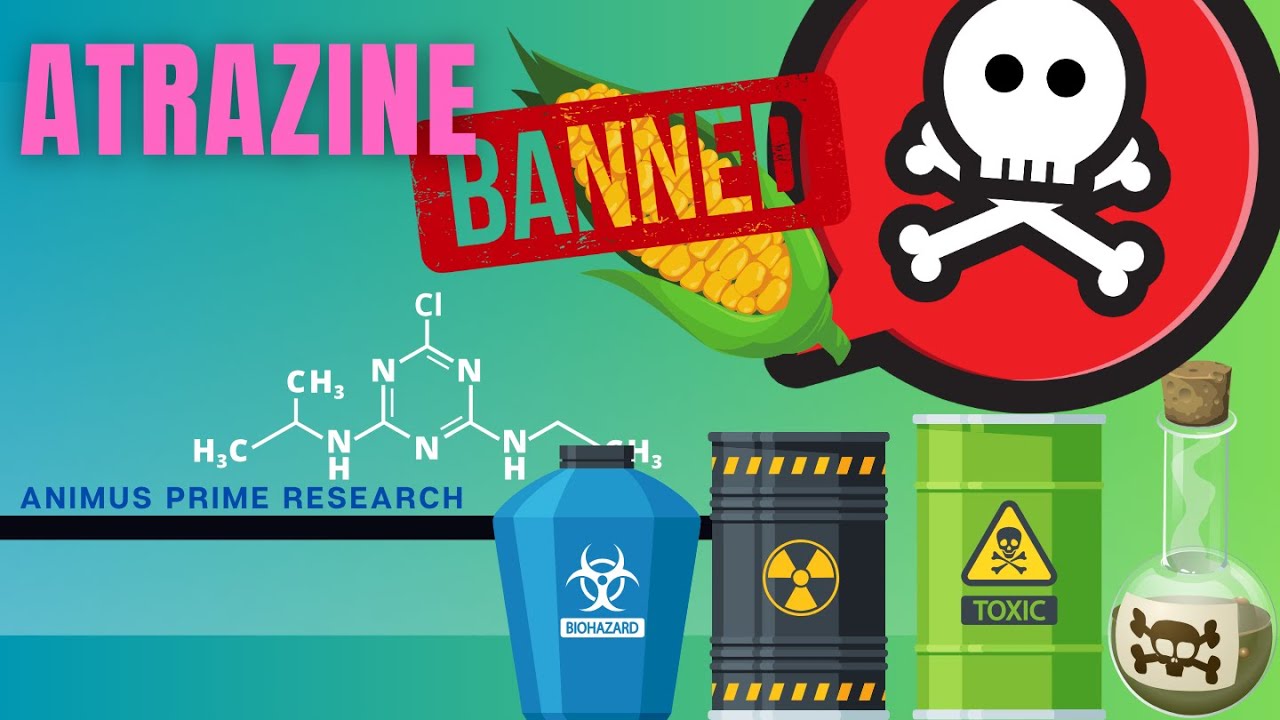
In recent years, the herbicide Atrazine has sparked heated debates and raised concerns regarding its potential impact on the environment and public health. Atrazine, a widely used agricultural chemical, has been praised for its effectiveness in controlling weeds, but its potential adverse effects have also drawn significant attention from scientists, environmentalists, and health experts. Atrazine has been in use since the 1950s and is primarily used in agriculture as a selective herbicide to control broadleaf and grassy weeds in crops such as corn, sugarcane, and sorghum. Its popularity stems from its ability to increase crop yields and reduce the need for manual labor. However, studies have raised concerns about its potential negative consequences on ecosystems and human health. One of the main criticisms surrounding Atrazine is its persistence in the environment. The herbicide can remain in soil and water for extended periods, leading to potential contamination of water sources. Environmentalists argue that Atrazine runoff from agricultural fields can find its way into rivers, lakes, and groundwater, posing risks to aquatic life and potentially affecting the quality of drinking water. Furthermore, researchers have highlighted potential health risks associated with Atrazine exposure. Studies indicate a possible link between Atrazine and adverse reproductive and developmental effects in certain animals. While the exact implications for humans remain uncertain, the World Health Organization (WHO) has classified Atrazine as "possibly carcinogenic to humans." Despite these concerns, the herbicide is still approved for use in many countries, including the United States, albeit with specific restrictions and regulations. The U.S. Environmental Protection Agency (EPA) periodically reviews and updates its guidelines for Atrazine use to minimize its impact on the environment and human health. Nonetheless, critics argue that these regulations may not be stringent enough to address all potential risks associated with Atrazine. The ongoing debate surrounding Atrazine has prompted calls for alternative farming practices and the development of sustainable weed control methods. Organic farming advocates promote natural alternatives to synthetic herbicides, emphasizing the use of crop rotation, cover crops, and mulching to manage weeds effectively. In conclusion, Atrazine continues to be a subject of controversy due to its potential environmental and health effects. As discussions on the herbicide's impact persist, stakeholders from various sectors are urging further research and exploration of sustainable agricultural practices. The future of Atrazine and its role in modern agriculture remain uncertain, as the delicate balance between weed control and environmental responsibility continues to be debated.
Повторяем попытку...
Доступные форматы для скачивания:
Скачать видео
-
Информация по загрузке: