Poisonous snakes invade Brazilian city
Автор: AP Archive
Загружено: 2015-07-21
Просмотров: 5511
Описание:
(27 Mar 2007) SHOTLIST
1. Wide aerial shot of the city of Niteroi, across Guanabara Bay from Rio de Janeiro
2. Zoom out to reveal city surrounded by tropical forest
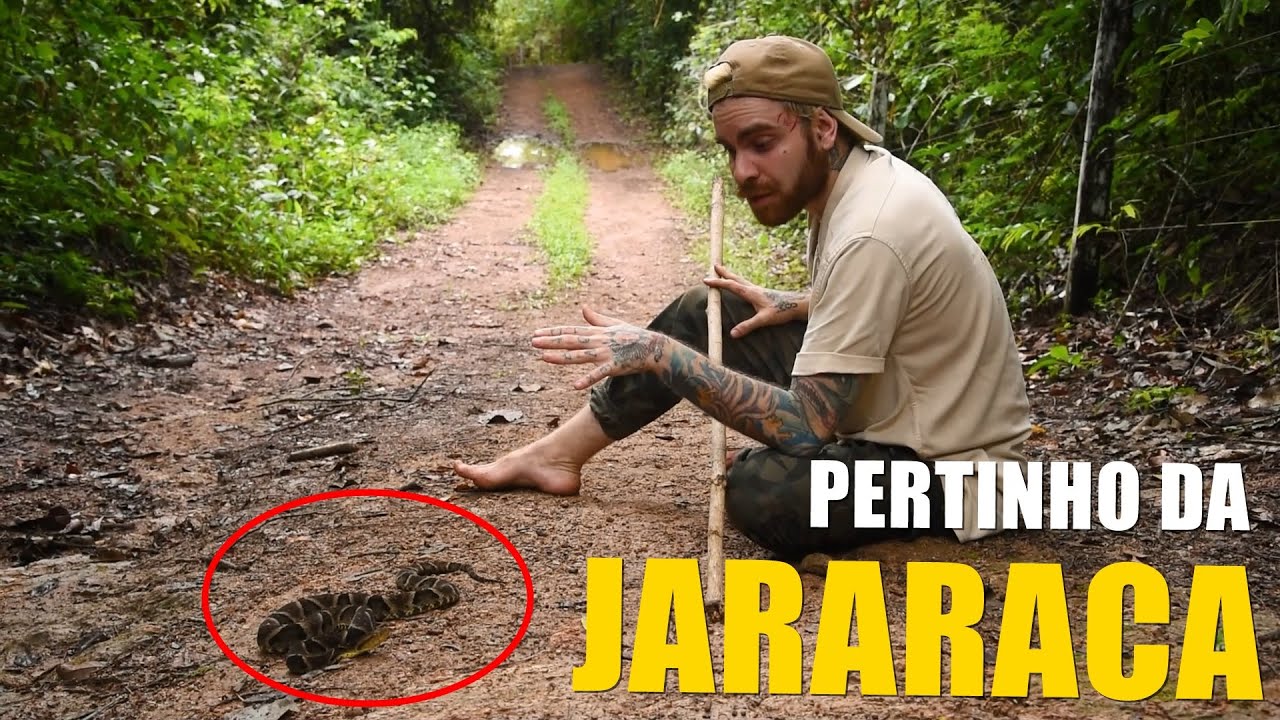
3. Various Jararaca - the most poisonous snake in Brazil (Scientific name: Bothrops Jararaca. Known in Venezuela as Barba Amarilla
and in Uruguay and Argentina as Yara)
4. Man at University Hospital, Antonio Pedro hospital who has just been bitten by a Jararaca
5. Close up of snakebite on man's arm; tilt up to Vanessa Ramos, Intern specialising in snake bites
6. SOUNDBITE: (Portuguese) Vanessa Ramos, Medical Intern
"This can be called a minor accident because the pain is not intense, the edema (swelling due to excess lymph fluid) does not go beyond the elbow and there are no systemic symptoms".
7. SOUNDBITE: (Portuguese) Marcelo Mello, Maintenance Worker:
"I put up a ladder, climbed the stone to remove the weeds and as I was coming down I put my hand on top of it. It turned around and bit me."
8. Close up of snakebite on arm
9. Midshot nurse giving a patient an injection
10. Various antivenom serums manufactured by Vital Brazil Institute in Niteroi
11. Dr. Anibal Melgarejo, Biologist from Uruguay opening one of the 400 cases containing poisonous snakes cases at the Vital Brazil Institute
12. Close up of case with a Bothrops Jararaca snake inside
13. SOUNDBITE: (Spanish) Dr. Anibal Melgarejo, Uruguayan Biologist, Director of Herpetology Research at Instituto Vital Brazil
(He talks while extracting venom from a Jararaca snake):
"This is the most common snake and out of 28 neighborhoods in the city of Niteroi it can be found in 24 or 25 of them, which means it is present practically all over the city"
14. Close up Bothrops Jararaca going up stairs
15. Mid shot baby Jararaca snakes being laid in a blue plastic tray
16. SOUNDBITE: (Portuguese) Claudio Machado, Biologist:
"The Jararaca is an animal that does not lay eggs. The female bears the offspring. Around 20 to 30 in each pregnancy and they spread around. The female does not build a nest, there is no motherly care. The offspring end up looking for refuge near people's houses".
17. Close up of baby Jararaca snake
18. Larger Bothrops Jararacussu snake on ground moving towards camera
19. Bothrops Jararacussu on ground moves across frame
20. Bothrops Jararacussu bites cameraman's microphone
21. Bothrops Jararacussu tries to bite again
22. Bothrops Jararacussu moving across the grass trying to go into the bushes, but is caught by biologist's hook
23. Close up of Bothrops Jararacussu's head showing open mouth and fangs dripping yellow venom. Biologist hand moves it to glass where head is pressed and venom flows. Zoom out showing Anibal Melgarejo
24. SOUNDBITE: (Spanish) Anibal Melgarejo, Biologist: (Soundbite starts with mid shot of venom in a glass tilts up to Melgarejo):
"This animal can reach a size of about 2 metres long and produces an amount of venom capable of killing 16 people, in its glands. This is what worries us, because the Jararacussu was a rare serpent 20 years ago, here in the city of Niteroi. We used to receive here at the Institute, one Jararacussu for every 50 Jararacas and now 20 years later this situation has increased in an alarming way. Nowadays we get one Jararacussu for every 5 Jararacas. In other words, while the Jararaca did not reduce its frequency, the Jararacussu increased its presence 10 fold in the city of Niteroi."
25. Mid shot handler holding a Jararacussu snake with a hook at feeding time
26. Close up live mice
27. Mid shot mouse being put into a box with snake and then put back on the shelf
LEAD IN:
STORYLINE:
Find out more about AP Archive: http://www.aparchive.com/HowWeWork
Twitter: / ap_archive
Facebook: / aparchives
Instagram: / apnews
You can license this story through AP Archive: http://www.aparchive.com/metadata/you...
Повторяем попытку...

Доступные форматы для скачивания:
Скачать видео
-
Информация по загрузке: